#Industrial safety
Industrial safety and accident risk management at hazardous production facilities. Practical solutions for the operation of technological equipment, pipelines, and lifting structures. Focuses on interacting with supervisory authorities, digitalizing safety control, and extending equipment lifespan.

Technical Safety Barriers
The article is devoted to technical safety barriers — engineering and technological solutions that physically prevent hazardous situations and operate independently of the human factor. The material examines the types and operating principles of such barriers, as well as clear examples from the practice of their application. The author shows how the design and operation of these systems turn abstract safety requirements into specific and reliable mechanisms for protecting people and equipment.

Lockout/Tagout Systems: A Practical Tool to Prevent Severe Accidents
Equipment repair and maintenance involve high risks due to the possible sudden release of hazardous energies. The Lockout/Tagout (LOTO) system allows isolating energy sources and physically preventing accidental startup of machinery during work. The article examines key operating principles of the LOTO system, the role of personal responsibility of personnel, and conditions for its successful implementation in manufacturing.

How Modern Freezing Technologies Affect Food Safety: Challenges and Solutions
The article examines gaps in the current EAEU regulatory framework and Rospotrebnadzor's inspection system in the field of frozen ready-to-eat food production. The author analyzes key food safety risks, including the lack of a unified industry standard, outdated SanPiN microbiological standards, and the difficulties of cold chain control in production. The material presents practical recommendations on tightening internal microbiological control standards at enterprises and business participatio...
HSE Leadership: Why Leaders Set the Safety Culture
The article explains why a sustainable culture of industrial safety is formed through the personal example and practical actions of a leader, rather than solely through regulations and standards. The text describes key elements of leadership — from regular dialogue with the team and supporting positive behavior to effective risk management and analyzing the causes of incidents without searching for someone to blame. The material shows how active management involvement helps employees shift from...

GARANT – the core principle of operational control!
The article is dedicated to improving the production control system through the transition from eliminating deviations to their preventive prevention and the implementation of a barrier risk management model. The author explains key safety principles through the acronym GARANT, revealing the roles of managers, the procedure of active control, and the systemic analysis of the causes of non-conformities. The material shows how a comprehensive approach prevents hazardous situations, reduces occupat...

Improving Production Safety Based on the "Knowledge Monitoring" Information System
Implementation of the "Knowledge Monitoring" information system based on corporate smartphones for continuous personnel microlearning without interrupting production. The system includes NFC authorization, adaptation of questions to workshop specifics, and a web interface for managers to identify knowledge gaps and form a talent pool.
The Universal Language: Safety Signs
Safety signs are a key element of visualization in the occupational health and safety management system, working to prevent workplace injuries. Thanks to the standardization of color and shape, pictograms instantly convey unambiguous information in conditions of noise and distracted attention, easily overcoming language barriers. The article reveals the main functions of safety signs, the features of their perception by the human brain, and the history of the establishment of global ISO standard...
Not By Oil Alone
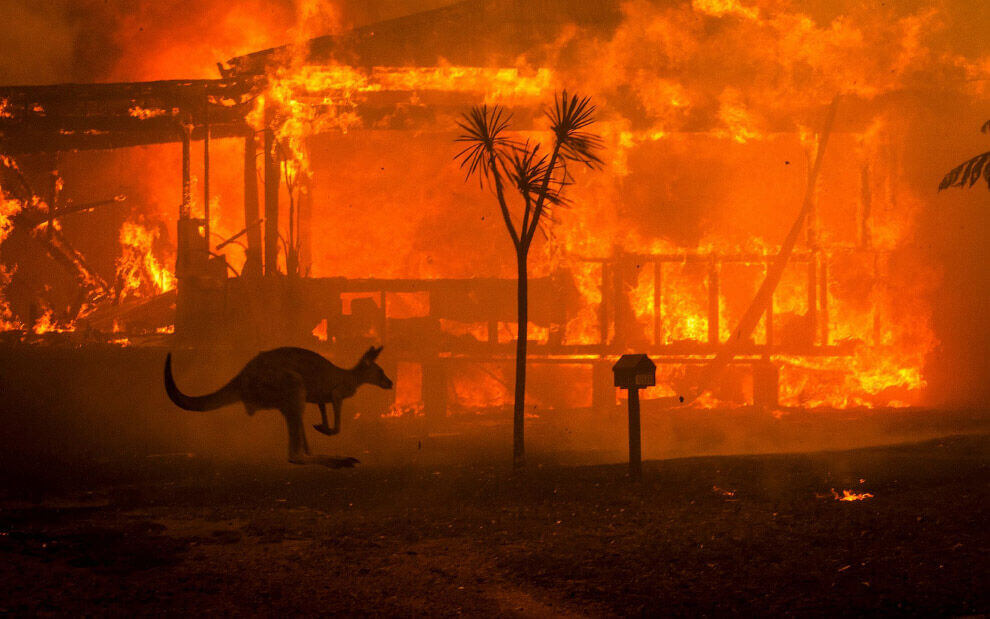
Although public attention to environmental accidents is focused mainly on the oil and gas sector, virtually any human economic activity carries potential danger. This article presents the author's ranking of the largest non-oil-related disasters of the past century — from chemical spills and radiation accidents to dam failures and large-scale fires. The publication reminds us that preventing incidents is much more important and cheaper than eliminating their consequences, which often prove to be...

Perfect is the Enemy of Good
The article is devoted to the practice of applying the Kaizen concept and rationalization ideas at Russian hazardous production facilities. The author explains why Federal Law No. 116-FZ and invention patents do not grant the right to unauthorizedly alter equipment design contrary to established requirements. The material helps to understand the legal restrictions of lean production and to prevent dangerous errors under the guise of continuous improvement.

Safety as a Standard: How Implementing the LOTO System Shapes a New Production Culture
The article is devoted to the implementation of a pilot project for the introduction of the Lockout/Tagout (LOTO) system in 2024 for safe equipment maintenance. It describes the five main stages of implementing a standardized protocol for the physical lockout of energy sources — from hazard identification and purchasing lockout devices to personnel training. The material shows how successful experience in applying LOTO transforms production culture and why this practice is currently being scaled...

Environment and Construction. EcoZOS
Environmental Conclusion of Conformity (EKOZOS) is a mandatory document for obtaining permission to commission a number of capital construction or reconstruction facilities. The article examines the regulatory control of the procedure, the list of obligated facilities, and the package of documents required for processing. The material describes a step-by-step algorithm of interaction with Rosprirodnadzor — from notifying the agency 7 days before the start of work and coordinating the inspection...

Zapolyarny Mine's Participation in the Review Competition
The article tells about the participation of the Zapolyarny mine in the production safety competition in Norilsk, where the enterprise won second place in the "Mining Divisions" category. The material examines the key factors behind this success: the implementation of modern equipment, continuous personnel training, and the creation of a comprehensive risk management system. The mine's experience demonstrates how systematic work on occupational health and safety helps prevent incidents and ensur...