#Mentoring
Mentoring programs and the transmission of safety culture from top management to line personnel and contractors. Real cases of converting mentors into key carriers of safe practices and replacing directive control with trusting cooperation.

The Role of Top Management in Developing a Safety Culture: Practical Experience
A set of practical tools for top management to develop a safety culture, including personal statements of responsibility, direct reporting of the HSE department to the CEO, personal meetings with newcomers, horizontal rotation of supervisors, regular workplace visits, non-financial motivation, and exit interviews. The approach aims to form conscious internal motivation and transform safety into a basic mindset.

Evaluating the Effectiveness of Implementing HSE Tools at NLMK PJSC
A system for evaluating the effectiveness of implementing proactive HSE tools (safety contacts, behavioral dialogues, registration of unsafe acts and conditions) by internal auditors. The evaluation covers four areas: integration into the management system, competencies, practical application, and impact on behavioral attitudes, followed by the development of a corrective action plan.

Operational Production Risk Management – The Evolution of Safety Mentoring
Implementation of a mentoring program for Operational Production Risk Management (OPRM) in the workplace. Mentors without punitive functions spend 4 to 6 days with crews, helping work supervisors and contractors apply safety tools in practice and developing their leadership competencies.

The Role of the Educational and Methodological Component in Safety Training
Creating a corporate technical HSE training center focusing on the educational methodology and practical skill development. Implementing unified teaching standards ("karaoke programs") by engaging internal experts (foremen, mechanics) as paid trainers.
Creation and Management of Technical HSE Training at PJSC SIBUR Holding
Creation of a corporate practical HSE training center with the separation of mandatory and skills-based training. Designing training grounds considering real production specifics and introducing an institute of internal "playing" trainers from among the production personnel.

Leader's Safety Culture and Human Psychophysiology
Applying neurobiology and psychophysiology to develop safety culture and leadership. Using positive priming, empathy, and generational theory to shift workers from negative automatic thinking to a safe mode.

Behavior Management Using the ABC Model
Implementation of a Behavioral Based Safety (BBS) system based on the ABC model and PIC/NIC analysis. The practice includes conducting targeted safety dialogues, providing corrective feedback, and analyzing worker motivation to change their attitude toward compliance.
On a Model for Adaptation and Mentoring
The article considers a two-stage workplace training system for a new employee through onboarding and mentoring procedures. The material describes a three-focus model for the development of professional, organizational, and cultural competencies, distinguishing the goals and duration of each stage. The proposed approach helps harmonize training programs for the consistent achievement of a specified level of competencies by the employee.

Comprehensive Competency Development for HSE Professionals
Implementation of a step-by-step competency development program for HSE professionals, transforming them from controllers into internal consultants and change agents. The program includes three stages (specialist, senior specialist, lead specialist) focusing on field practice, mentoring, coaching, and strategic leadership, with the defense of a practical improvement project as a mandatory condition for transitioning to a new grade.
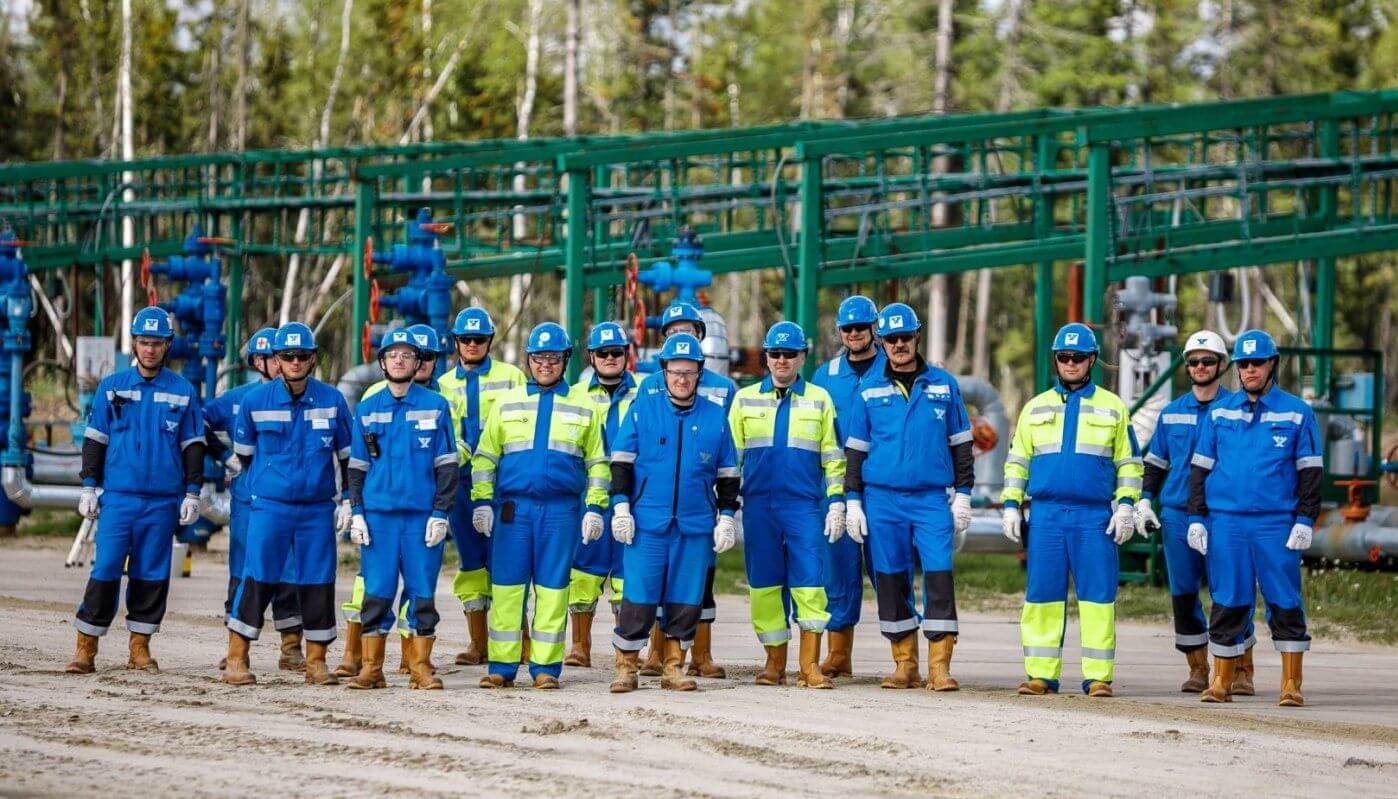
Salym Petroleum Invites You to the Annual Safety Day
Salym Petroleum is holding its annual Safety Day on the theme "Together with a mentor to 'Goal Zero'", which for the first time can be joined by anyone interested. At the event, mentorship is considered one of the main elements of a culture of care and concern for the well-being of others. The program includes an online dialogue with leaders of the company's Safe Production Culture, representatives of contractor organizations, and special guest Mikhail Novikov, captain-mentor of the barque "Kruz...

The Role of HSE Professionals
Rethinking the role of the HSE professional by elevating their status, reporting directly to the top executive, and developing internal trainers. Practices include implementing proactive KPIs like audits, contractor control, and training line managers to build a safe behavior culture.
Motivation for Change at Different Levels
Transitioning from external motivation to conscious safe behavior through the analysis of 16 causes of violations. Integrating safety culture metrics into quarterly contractor KPIs to engage their management.