#Proactive approach
Proactive security paradigm over reactivity. Funneling investments toward prophecy, sniffing out hazards long before an ugly incident. Extinguishing the 'fire-fighting' culture to crown systemic pre-defense acts.
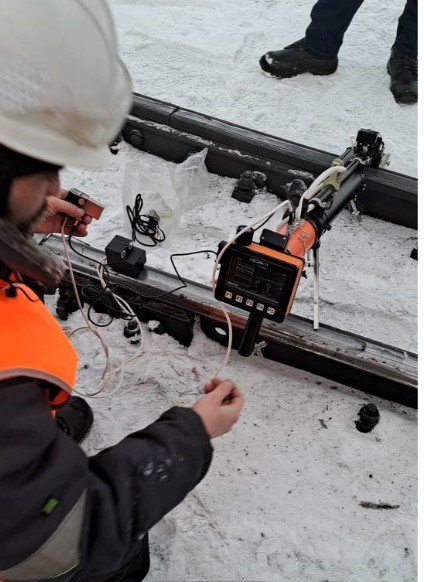
Do You Know What Rail Flaw Detection Is?
The derailment of loaded freight cars due to a fatigue crack in a rail head demonstrated the consequences of hidden track wear. We examine the primary non-destructive testing methods for rails and turnouts, the specifics of ultrasonic flaw detection, and inspection schedules to prevent accidents.

Establishing a Road Safety Culture: The Path from Reactive Firefighting to a Well-Structured Risk Management System
A comprehensive approach to road safety risk management at an industrial site. Implementation of traffic stream separation, driver behavior video analytics, automated medical examinations, and mandatory defensive driving training. Development of vehicle audit checklists, contractor verification, and a system of monitoring KPIs for line managers.

From Video Monitoring to an AI Safety Ecosystem: How to Turn HSE Data into Incident Prevention
Building a comprehensive AI ecosystem for industrial safety using an internal team without hiring professional software developers. The solution includes a computer vision system, a hardware-software module for pupil-reaction fatigue monitoring, automated generation of training materials and standard operating procedures, as well as AI simulators for behavioral audits and knowledge checks.

Principles of Leadership Development
Implementation of leadership principles and the Human Performance concept into the daily operational activities of an enterprise. The practice includes moving away from a culture of blame in favor of systemic root cause analysis of errors and the formation of psychological safety within the team. The process is aimed at integrating safety standards into the overall business management system and eradicating tolerance for violations to prevent a dangerous "new normal."

Enhancing the HSE Function
Transformation of the HSE function from a supervisory role to that of an internal business partner with deep integration into the work of the technical council. Implementation of the "Safety in Design" principle at the design and equipment procurement stage. Shifting the safety performance evaluation system from lagging metrics (LTIFR) to leading indicators (Near Misses, behavioral audits).

Ambassadors: From Participation to Action
The article discusses the "Safety Ambassadors" project at JSC Kola MMC, aimed at developing a production culture and increasing the level of safety at the enterprise. Having completed training with experienced specialists, project participants identify workplace risks both in their own and in other departments, as well as detect threats to employees of third-party organizations. Their active work helps prevent accidents, build effective communication on occupational health and safety, and create...

HSE Specialist Role Model: Where and How to Add Proactivity?
Implementing Safety Culture Committees as a tool for two-way communication and proactive risk management. Committees are led by line managers, include line walkthroughs of production sites, direct dialogue with workers, and evaluation of event effectiveness using checklists.

What Subtleties Hide Behind "Stop Unsafe Work"
Implementation of the "Stop Unsafe Work" tool involving line personnel in identifying hidden risks. The practice includes using a mobile app to record risks, mandatory worker participation in the corrective measures commission, and a reward system for using the tool without applying sanctions.

Sustaining Safety Culture Improvement Results
Transformation of corporate safety culture from a reactive to a proactive level by creating specialized culture development departments and building a cascade of HSE committees. The practice includes integrating the risk management system with management standards and transferring project teams into permanent organizational structures to sustain results.

Digital HSE Partner - a step-by-step tracker for contractor management in HSE
Implementation of the "Digital HSE Partner" tracker for contractor management. The system automates the process from contract initiation to contractor evaluation, including risk register formation, proactive measures control, and automatic safety rating calculation.