#Safety audit
Practice of internal safety audits: multi-stage control, transitioning from paper prescriptions to digital checklists and observation systems. Cases on how regular site inspections form a transparent picture of occupational health and safety.
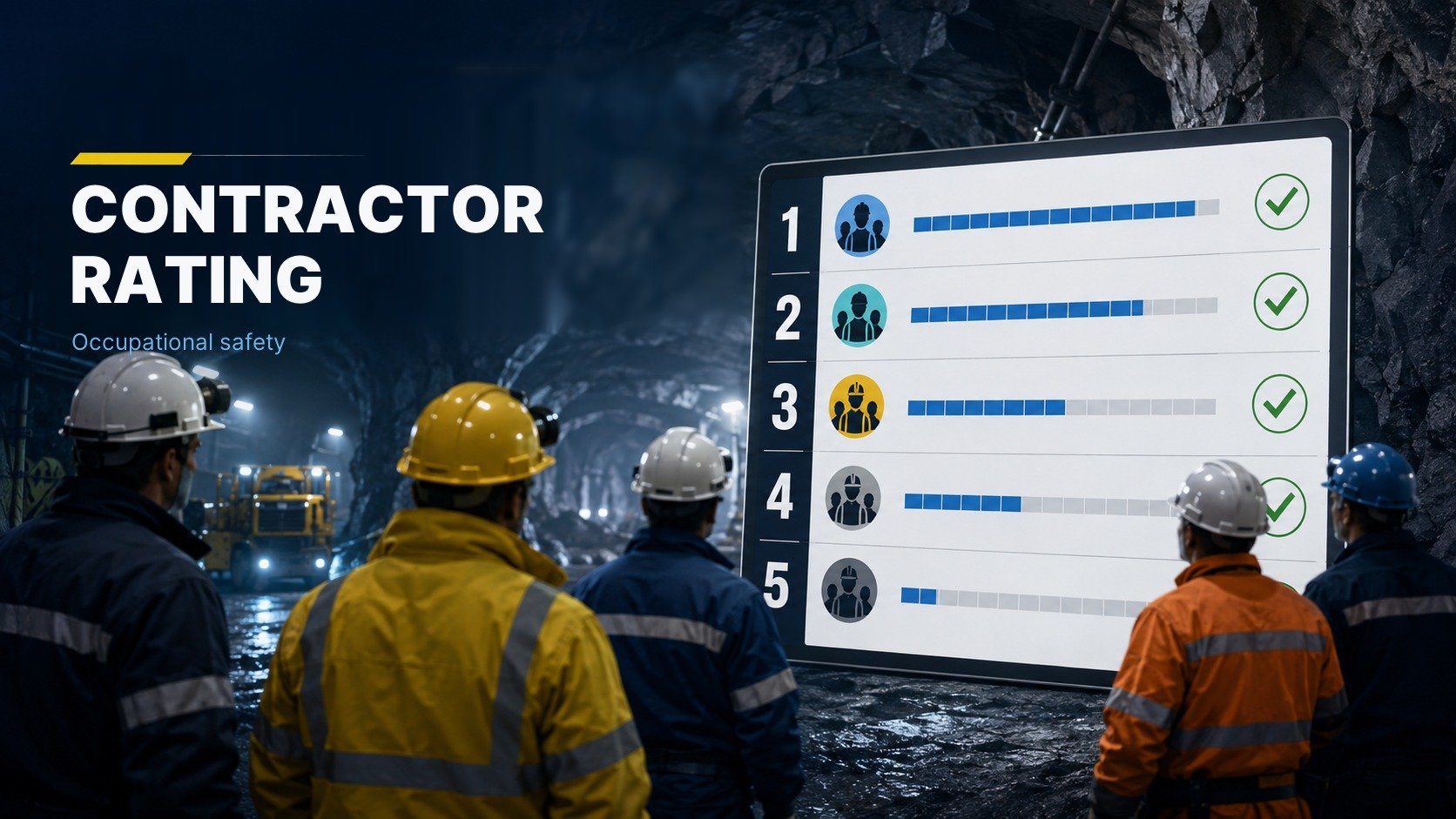
How to turn contractor control into a development system: creating an occupational safety rating
Experience in creating a contractor rating for industrial safety and occupational health and safety: three data sources — work executor assessment, control and preventive inspection, and management system audit — a management cycle instead of one-off inspections and pre-pilot results at a mine: 23 organizations, 36 contracts, growth of the median score of repeat audits from 73 to 91.

Digitalization of Audits: From Self-Assessment to Status Control
Transitioning the safety compliance audit process from Excel to a unified digital system. Automatic score calculation upon completion of corrective actions and real-time visualization of branch statuses.

Control Architecture: How the System of Curators and Coordinators Changes Safety Culture and Business Efficiency
Implementation of a curator and coordinator system for managing contractor safety. Transferring responsibility for contractor admission and control to technical customers and on-site managers using checklists and linking KPIs to safety performance.


Contractor-Client: Interaction in Safety Matters
A systematic approach to managing the safety of contracting organizations at all stages of interaction. The practice includes differentiating contractors by risk level, auditing at the tender stage, joint training and admission, and applying positive motivation tools instead of fines.


Achievements in the Proactive Development of Safety Culture. How to Maintain the Standard?
A systemic transition from a reactive to a proactive safety culture through modified risk identification tools, IT integration, and personnel involvement. Practices include a mobile app for threat recording, KPI-linked manager evaluations, and methods for justifying safety investments to top management.


 +3
+3
Plenary Session "Leaders on the Frontline: How CEOs Ensure Enterprise Safety Through Active Dialogue with Owners and Operational Staff"
Building a transparent system for escalating information about critical technical and production risks from line personnel to business owners. The practice includes using objective metrics from automated control systems and the phased work of specialized committees up to the Board of Directors. Transitioning from emotional problem discussions to the language of numbers to justify long-term safety investments.

PPE Field Testing: Is It Really That Important?
The selection of personal protective equipment requires considering specific working conditions and the opinions of the workers themselves, making workplace trials an important stage in the occupational health and safety system. The article examines the methodology for conducting PPE trials at an enterprise, allowing the identification of the most comfortable and risk-protecting solutions. The author shares practical experience on how trial results help draft technical specifications more accura...

Why Eliminating Minor Non-Conformities Matters, or the "Broken Windows Theory"
The article explains the application of the "broken windows theory" in the field of occupational health and safety, according to which even minor deviations from safety rules lower the bar of what is acceptable and can trigger serious workplace injuries. The material examines how zero tolerance for minor violations, regular monitoring, and the personal example of managers help form a safety culture and prevent major accidents. The author also shows the need for a balance between strict control a...

Contractor and Supplier Safety Management
The article is dedicated to ALROSA's updated approach to managing occupational health and safety and industrial safety among contractors and suppliers. The unification of uniform requirements made it possible to triple the passing threshold for reputable organizations, weed out suspicious counterparties, and reduce the costs of verifying them by 30%. The material also shows how regular supplier audits help identify operational safety violations in a timely manner and make decisions to terminate...

GARANT – the core principle of operational control!
The article is dedicated to improving the production control system through the transition from eliminating deviations to their preventive prevention and the implementation of a barrier risk management model. The author explains key safety principles through the acronym GARANT, revealing the roles of managers, the procedure of active control, and the systemic analysis of the causes of non-conformities. The material shows how a comprehensive approach prevents hazardous situations, reduces occupat...

Organizing and Conducting a Production Safety Cross-Audit
The article is devoted to the practice of organizing and conducting cross-audits of labor and production safety between enterprises of the SUEK company. The author examines how mutual inspection of production facilities by specialists of occupational health and safety services makes it possible to identify non-obvious hazardous situations, exchange practical experience, and diagnose one's own safety system. The material shows the value of joint analysis of similar problems and the application of...

Cross-Inspections as a Tool for Training and Experience Sharing
Implementation of cross-inspections by specialists from adjacent departments to overcome the "blurred vision" effect. The practice includes adapting checklists to site specifics, mandatory rotation of auditors, and their financial motivation for reducing the number of remarks and promptly eliminating violations.