#Training
HSE personnel training and development: modern remote formats, interactive training grounds for hazardous work, gamification, and on-the-job microlearning. Transitioning from formal planned briefings to continuous educational programs converting theory into sustainable skills.

Safe STARRT
The article examines the STARRT procedure—a tool for conducting briefings and safety analysis at the company's construction sites. Discussion of tasks and team risk assessment before starting work help identify hazards and determine safe work practices. The procedure ensures an understanding of all precautions and increases employee engagement in occupational health and safety issues.

Reducing Seasonal Accident Rates
Transformation of the road safety management system based on a deep analysis of accident causes. Implementation of automated contractor notifications, task systems, and electronic attendance tracking for safety stand-downs to reduce seasonal accident rates.

How to "Teach" a Manager Proper Line Walkarounds?
Transforming line walkarounds from formal inspections into a proactive risk management and safety culture tool. Implementing safety dialogues, training line managers in communication skills, and automating walkaround analysis.

Safety Volunteer – A Catalyst for Change
Implementing a safety volunteer program among blue-collar workers to enhance the culture of safe behavior. The practice includes voluntary selection without quotas, interaction with line managers for short-term tasks, and non-financial motivation via targeted training and specialized events.
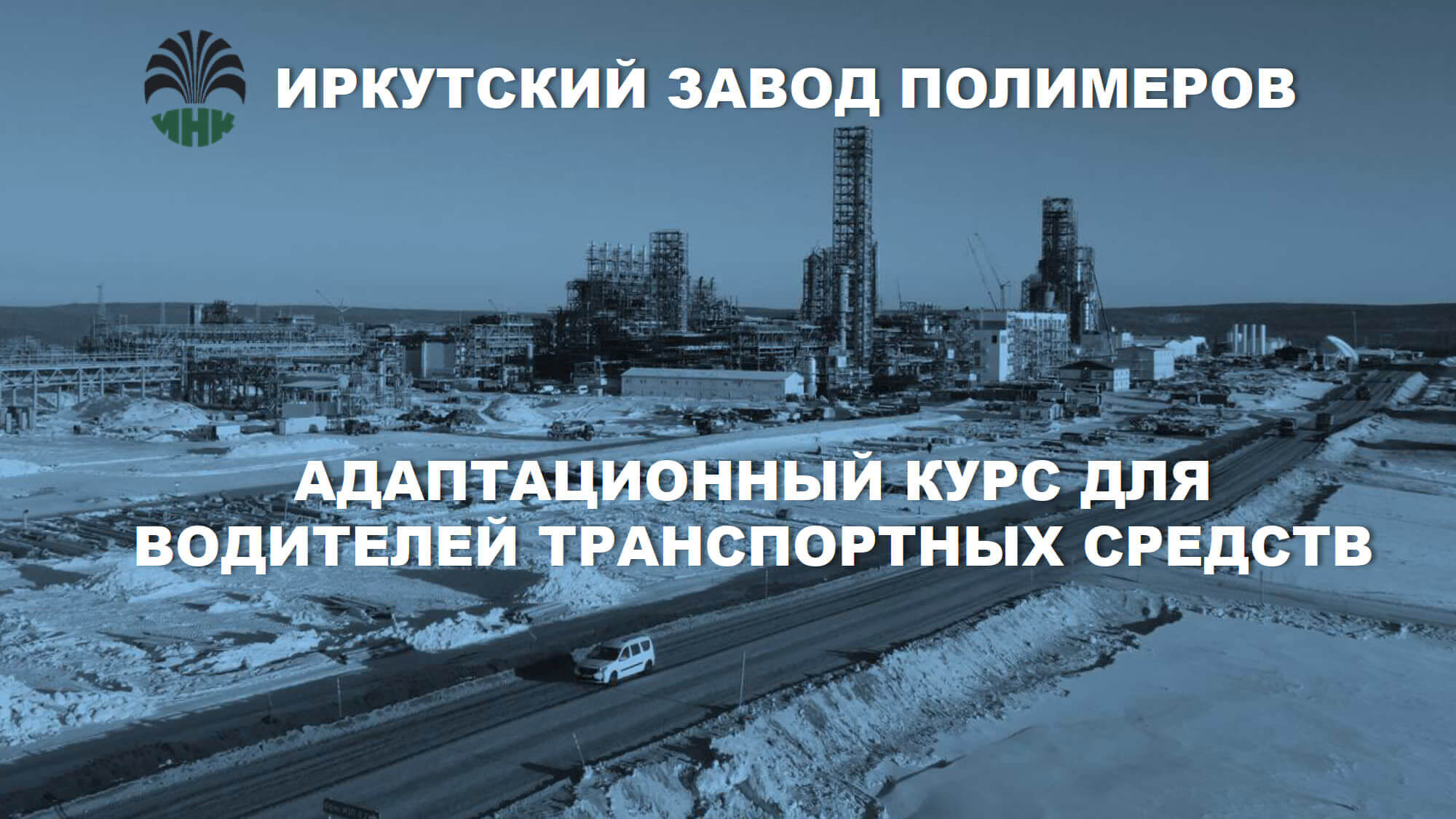
Induction Video Course for Drivers
The article describes the creation of a 12-minute orientation video course for drivers starting work at the Irkutsk Polymer Plant. The training video clearly demonstrates local road safety rules and the consequences of non-compliance, helping drivers without experience at the enterprise avoid dangerous situations. The video material was prepared by an employee without involving an external filming studio, which saved the company's budget, and is now actively used in safety briefings, on informat...

The "Carrot and Stick" Approach to Managing Drivers
An effective road safety system at an enterprise requires comprehensive work with drivers of contractor organizations who often start work without knowledge of local rules. The article examines how, instead of relying exclusively on penalties, adaptation courses, defensive driving training, and regular meetings for dialogue with drivers can be used. Such an approach helps drivers realize their key role in ensuring safety and allows reducing the number of violations at the facility.
Specialist Qualification – A Key Factor in Construction Safety and Quality
A comprehensive qualification and safety management system on a megaproject with rapid personnel growth. It includes strict rationing of the ETP-to-worker ratio, multi-stage incoming inspection with testing and screening of unscrupulous training centers, as well as continuous training at shift camps and field training grounds.
Reducing Traffic Accidents on the Roads of the Irkutsk Polymer Plant
A comprehensive approach to managing road safety at a large-scale construction site involving over 1,200 contractor vehicles. Infrastructure solutions (parking lots, signs, clearance frames, pedestrian paths), a satellite monitoring system for speed and work/rest schedules, and an interactive map of road closures have been implemented.

Development of the HSE Representatives Institution
Rebooting the HSE representatives institution at a large chemical plant. A multi-level motivation system, standardized checklists for walkarounds, a mandatory e-learning course based on real cases, and an operational communication channel via a general chat were implemented.

Master Class "Public Speaking Skills"
Developing public speaking and effective communication skills for HSE specialists. Practice includes mastering presentation structure, timing management, eliminating filler words, and holding audience attention during briefings and meetings.

HSE and Production: Quirks of Perception and Why It All Matters
A comprehensive program for transforming the image of the HSE department to transition from a supervisory role to a business partnership. It includes assessing personnel perception using the Hudson ladder, developing specialists' soft skills, joint project work with production to reduce risks, and implementing modern communication formats, including one-page instructions and short videos.


Helping Employees Develop Safe Behavior Through Working with Their Own Mistakes
Implementation of the SafeStart behavioral safety program at the Takeda pharmaceutical plant. The program aims to reduce injuries by helping workers recognize their own states (rushing, fatigue, frustration, complacency) and prevent critical errors.