Working at Height
Work at height is performed at every facility – from replacing light fixtures and laying cables to installing fire alarm devices, CCTV cameras, and much more.
As safety professionals, we need to find the optimal solution: how to perform these tasks, what equipment to use, how to rescue people, and how to make the work as comfortable as possible, while also considering financial investments. These solutions must be modern and consistent across similar types of work.
Risk assessments are required, with the potential to eliminate work at height altogether, as well as consulting with specialists for advice on matters such as anchor lines and the selection of fall protection equipment.
A crucial task is to convince both inexperienced and seasoned employees not only to wear uncomfortable PPE, inspect it before every use, and maintain its condition to extend its service life, but also to remain constantly clipped to an anchor point during work.
Then there are contractors, many of whom only learn the culture of safe work practices at your facilities. Signing an access permit, declaring sufficient experience, providing recommendations, having the necessary training certifications, and possessing fall protection equipment does not guarantee anything yet.
Staff and contractors set an example for one another. Whether that example is good or bad depends on the organization of work, the depth of planning, the existing corporate culture, and the levers of influence available when violations are identified.
Many believe that since they haven't fallen in 10 years, they won't fall now — yet many also realize that if it does happen, they might never get back up.
Training center courses, organizing internships, conducting knowledge assessments and medical exams, tracking and inspecting ladders, detailed instructions, and work organization orders — all of these are mandatory. However, it is vital to find optimal ways to work, present them correctly, maintain control, and respond to deviations when necessary.
Key solutions at our facility:
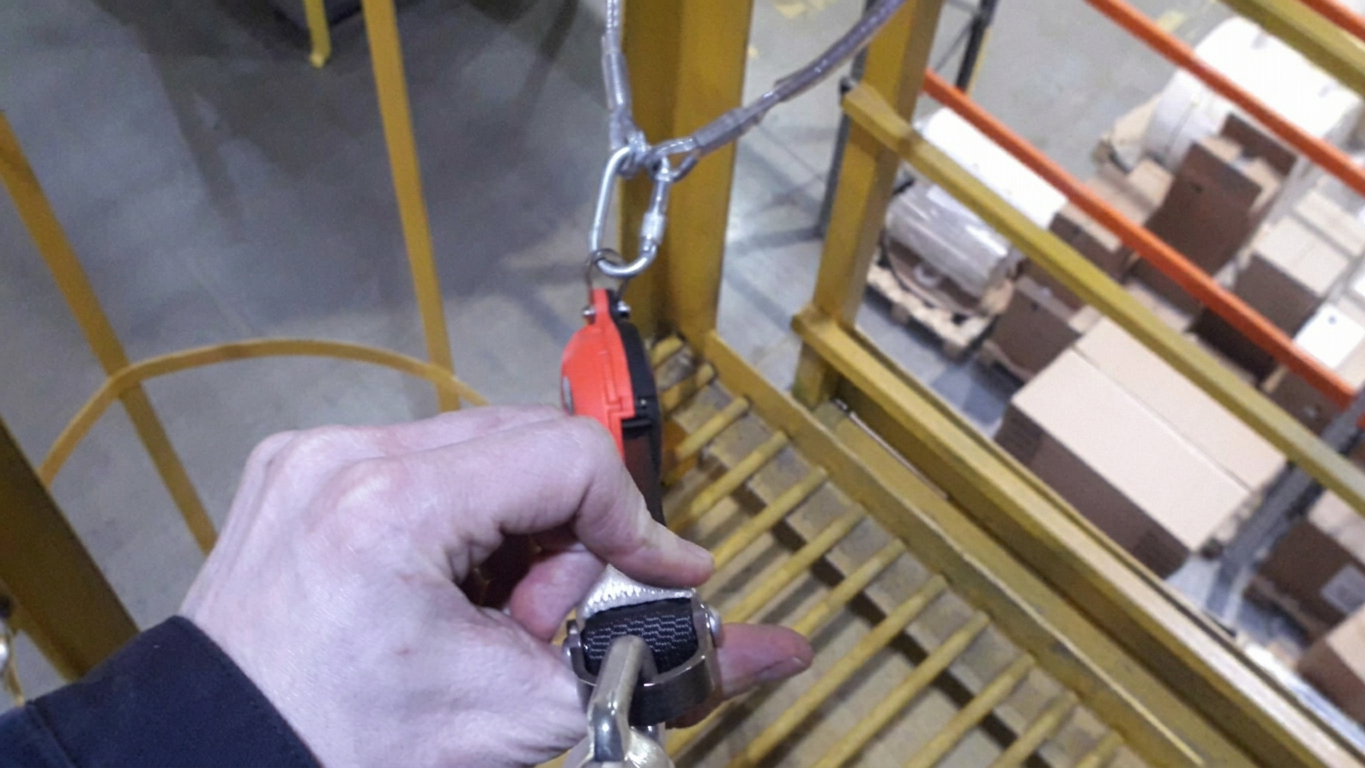
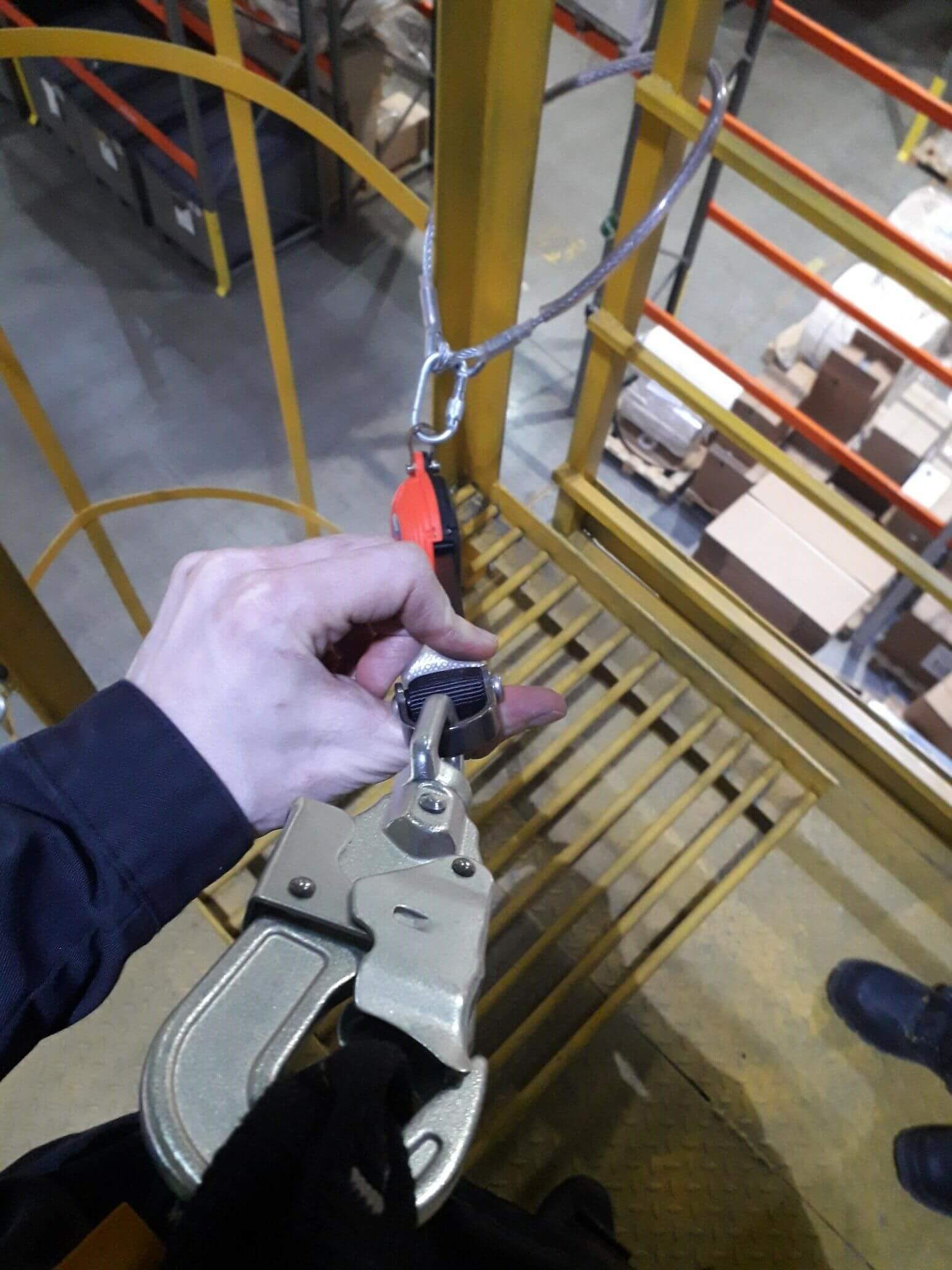
- Daily rental of a Pekkaniska with guardrails and anchor points, equipped with a self-retracting lifeline (SRL) designed for multiple fall factors (alternative: a forklift with a safety cage featuring guardrails and adjustment bolts, used in rare cases)
- Use of a safety helmet with a ratchet suspension, a 4-point adjustable harness, and storing all kits in a dedicated cabinet (which also contains the work method statement, emergency evacuation plan for height, and an inspection memo based on the operating manual)
- Availability of standby fall protection kits for contractors in case they provide non-compliant PPE
- Including penalties for height safety violations in the HSE requirements annex of contractor agreements
- Vertical climbing of ladders over 4m using an anchor line (SRL type)
- Tracking all harnesses and lanyards in logbooks, monthly inspections, and annual certification by a third-party competent person, with decommissioning as needed
- Including work at height in the list of high-risk activities requiring a permit-to-work
- Educational videos on safe work practices specific to our site
- Availability of portable floor barriers, safety tapes, and the use of ladders with handrails, guardrails, and comfortable platforms
- Monthly work performance assessments and recording examples of unsafe behavior for statistics, immediate work stoppage, and issuing non-conformance reports with an emphasis on whether it is a first-time or repeat violation, followed by administrative response measures
- Classifying height safety violations as "major," thereby integrating them into the overall safety KPIs of the departments
When communicating with personnel, we build a dialogue based on common sense, a human approach, and respect. We don't hesitate to acknowledge that a harness is uncomfortable and hot, but without it and a lanyard, "acrobatic stunts" on scaffolding can lead to tragic consequences — meaning safety must come first!