Enhancing the HSE Function
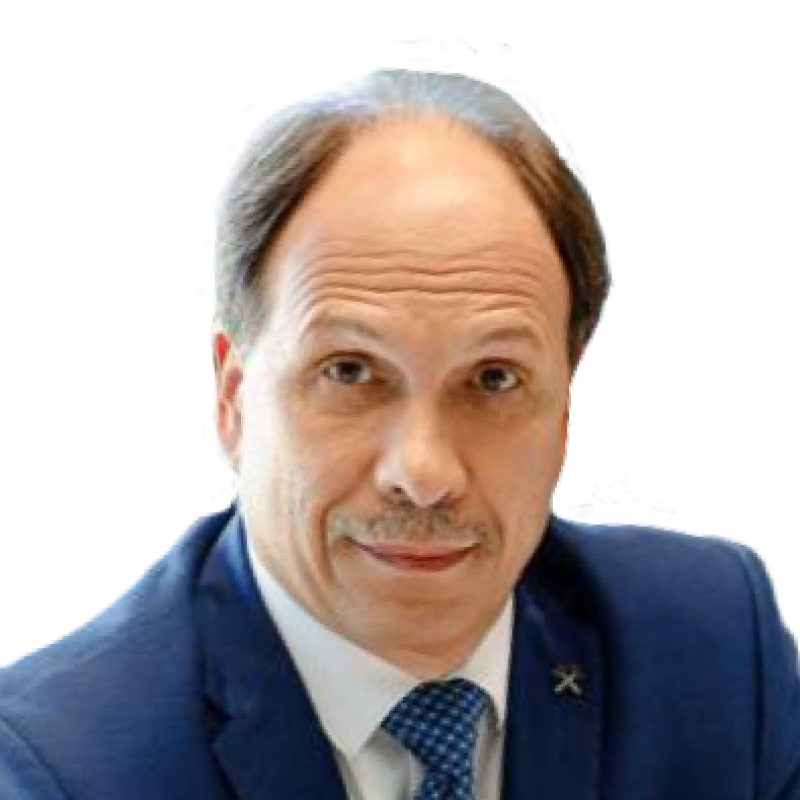
Modern industry is undergoing a profound transformation in risk management approaches. The historical model, in which the Health, Safety, and Environment (HSE) department performed exclusively supervisory and punitive functions, is proving ineffective in high-tech production environments. Today, businesses require a qualitative shift from reactive response to proactive management, where safety becomes not just a cost item, but an integral part of operations that directly influences business continuity and profitability. In this presentation, Mikhail Barabash, Chairman of the Technical Council at Rodina Industrial Group, examines in detail the process of systematically enhancing the HSE function and its deep integration into the business processes of a modern enterprise.
From Oversight to Internal Consulting
The key barrier to developing a mature safety culture is often the deeply rooted perception of HSE specialists as "police officers" whose main task is to find violations, issue fines, and punish the guilty. This outdated paradigm inevitably leads to the concealment of minor injuries, the suppression of incident precursors, and a purely formal attitude toward rules. The speaker details the mechanism for transforming the role of an HSE specialist from a routine inspector into a full-fledged internal consultant and strategic business partner.
This transition requires a significant change in both the professional competencies of the specialists themselves and the attitude toward them from line managers. When the HSE department begins to offer concrete engineering or organizational solutions rather than just recording non-conformities, production units begin to see it as a valuable resource for increasing overall efficiency. In practice, this approach is implemented through joint workplace audits, active involvement of operational personnel in professional risk assessment, and the creation of a trusting environment for open discussion of safety issues without the fear of inevitable punishment.
Integrating HSE into the Technical Council
The presentation places special emphasis on a preventive approach—laying the foundation for safety at the design stage and during the adoption of key technical decisions. As Chairman of the Technical Council, Mikhail Barabash emphasizes the critical importance of full participation by the HSE function in the processes of modernizing production facilities, purchasing new technological equipment, and changing established technological chains.
Traditionally, the HSE department encounters risks only after new installations are implemented in workshops, when making any structural changes requires significant financial losses and time expenditures. Integrating HSE expertise into the daily work of technical councils allows for the practical application of the "Safety in Design" principle. This means that workplace ergonomics, the reliability of hazardous energy control systems, the effectiveness of collective protection equipment, and the logistics of evacuation routes are considered before the physical implementation of any project begins. Such a cross-functional approach not only radically reduces the level of potential occupational injuries but also significantly optimizes the company's capital expenditures on subsequent modifications.
Shifting Focus: From Lagging to Leading Metrics
Increasing the status and real function of HSE is absolutely impossible without a radical revision of its performance evaluation system. Relying exclusively on lagging indicators, such as the number of recorded accidents or the Lost Time Injury Frequency Rate (LTIFR), does not provide management with an objective picture of the state of the industrial safety management system. The absence of injuries in a specific reporting period may be the result not of systematic and high-quality work, but of a simple coincidence or, even worse, the deliberate concealment of facts.
For real and effective management of production risks, a large-scale implementation of leading indicators is necessary. These traditionally include: the number of identified and promptly eliminated potentially dangerous situations (Near Misses), the percentage of corrective actions completed on time, the level of involvement of line management and operational personnel in behavioral safety audits, and the quality of targeted briefings. Shifting the management focus to these metrics allows for an adequate assessment of the company's preventive efforts to prevent incidents and stimulates proactive work at all levels of the organizational structure.
What you will learn from this presentation:
- How to overcome historical resistance from production personnel and build effective partnerships between the shop floor and the HSE department?
- What specific tools allow for the seamless integration of safety requirements into the engineering and technical decision-making process?
- How to competently justify the economic feasibility of investments in proactive safety and ergonomics to top management?
- Which leading metrics most accurately and effectively reflect the real level of safety culture development at an industrial enterprise?
- How to change the established mindset of HSE specialists for a successful transition from formal control to real risk management?