#Leadership
HSE leadership as the bedrock of a proactive safety culture. This section transforms the mindset of executives and line managers. Showcases how a personal example in using PPE, transparent communication, and zero tolerance create an atmosphere of trust.

Leader's Tools for Enhancing Safety Culture
Integration of safety culture principles into the organization's management system and supply chain. Implementing a non-punitive culture, developing leaders' managerial courage, and applying international IAEA and WANO standards to assess and enhance safety levels.

Safety Leadership: Myths and Reality
Implementing servant leadership and adapting the Bow-Tie method to assess safety management decisions. The program includes mandatory training for First Line Management and leadership analysis across four areas: communication, interaction, risk-based decision-making, and personal leadership.
Safety Culture and Leadership Development in Nuclear Energy
Transition from individual safety to a comprehensive organizational safety culture in the Russian nuclear industry in accordance with IAEA and European regulatory requirements. Implementation of a hybrid approach to safety covering all stages of the facility's life cycle, leadership development, and the use of practical tools to assess and improve safety culture.

Social Dialogue as an Effective Means of Ensuring Safety Culture
A system for building social dialogue with employees to increase engagement in safety issues. It includes the work of the HSE Committee, anonymous feedback channels ("red box", email), dialogue during three-tier control, and non-financial motivation programs (sports events, training, corporate events).

Injury Risk Management Tools
A comprehensive approach to injury risk management in a large generating company. Includes implementing Golden Safety Rules with strict sanctions, regular Behavioral Safety Audits (BSA) by line managers, conscious safety trainings (SafeStart) to prevent critical errors due to loss of concentration, and systematizing work with infrastructure risks.

How to Generate Leaders in Your Organizations
The article views leadership not as a position, but as a special constructive attitude toward company goals that can be developed in every person. The material presents a value-goal model connecting a leader's internal values and large-scale goals with tools for engaging followers. An analysis of the elements of this model explains the motivation of leaders and helps form them within any organization.
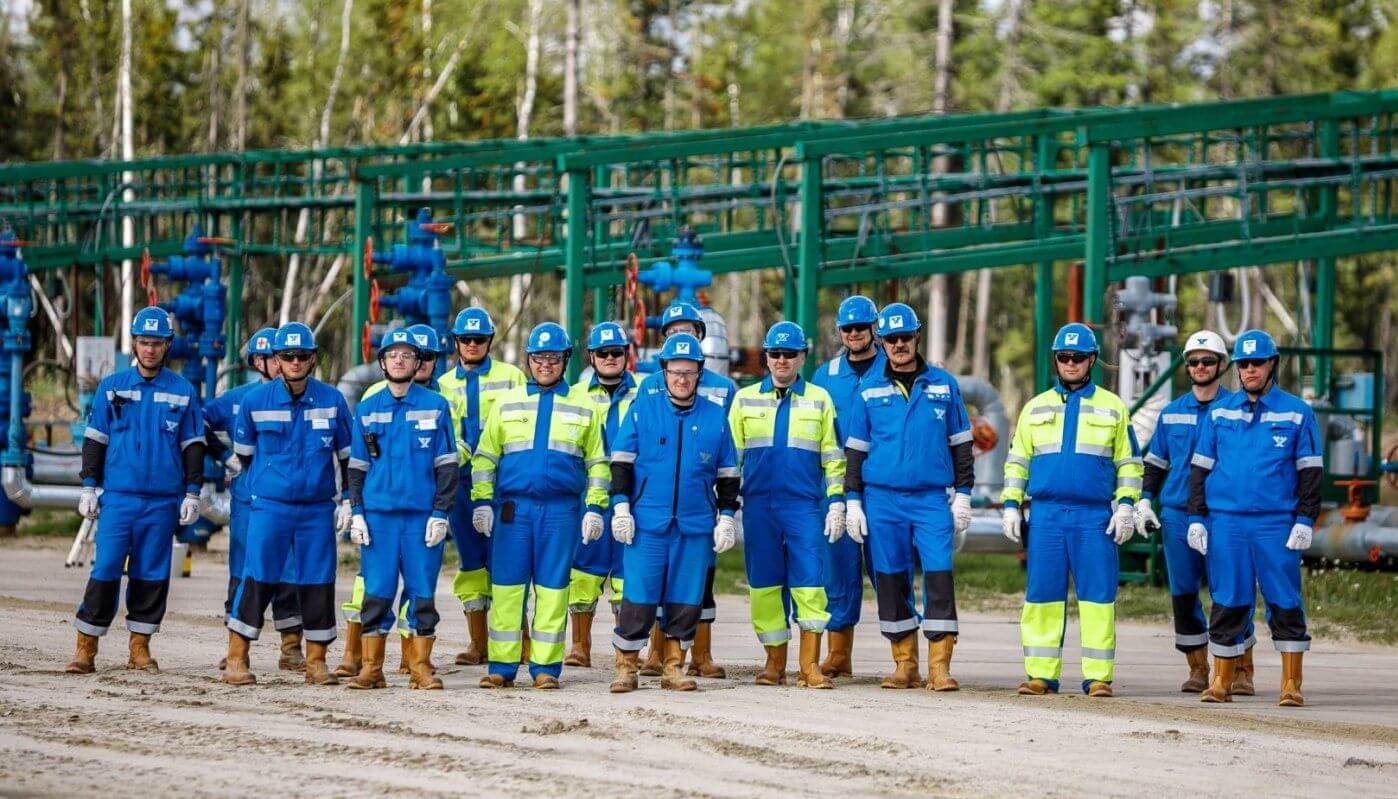
Salym Petroleum Invites You to the Annual Safety Day
Salym Petroleum is holding its annual Safety Day on the theme "Together with a mentor to 'Goal Zero'", which for the first time can be joined by anyone interested. At the event, mentorship is considered one of the main elements of a culture of care and concern for the well-being of others. The program includes an online dialogue with leaders of the company's Safe Production Culture, representatives of contractor organizations, and special guest Mikhail Novikov, captain-mentor of the barque "Kruz...

Building a Culture of Trust in the Organization
Transforming corporate safety culture from a culture of fear to a culture of trust by changing the motivation system and KPIs. Practices include abolishing punishments for accidents, shifting focus to proactive indicators, and engaging employees in risk identification.

Motivation for Safe Work
Implementation of the five-month "Winter Safety Marathon" program to engage personnel in HSE issues through gamification and competitive mechanics. The program includes evaluating teams using proactive indicators (leadership, safety, competence), conducting thematic information sessions, quizzes, and creative contests.

Safety Culture Development Strategy
Integration of HSE tools into the enterprise's production system through the development of voluntary leadership among workers and risk visualization. The approach includes a multi-level initiative motivation system, implementation of risk assessment in routing slips and workplace standards (6S), as well as conducting non-standard emergency drills.
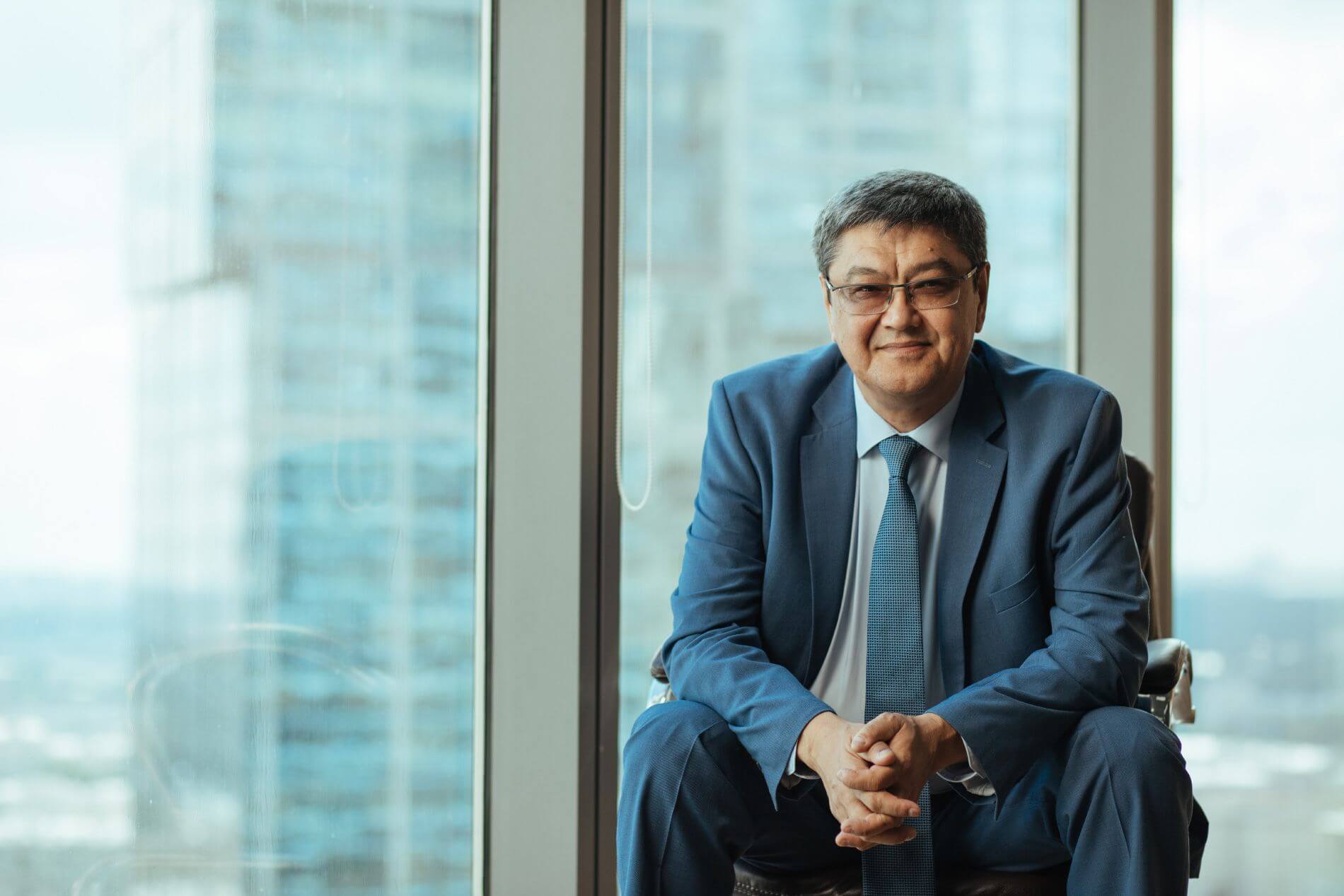
Interview with HSE DAYS Ambassador Serik Mazhkenov Published
The HSE DAYS editorial team published an interview with project ambassador Serik Mazhkenov, author of the book "Occupational Health and Safety: Mission Possible". In the article, the author talks about the reasons for writing the book and key practical tools for developing a work safety culture, tested in oilfield services companies in Russia and Kazakhstan. The interview reveals approaches to reducing injury rates, workplace training, and building a balance between business efficiency and the r...

HSE vs. Production. Three Levels of Struggle
A three-level safety management model at an industrial enterprise, integrated with lean production principles. It includes using the "Safety Cross" at the foreman level, holding thematic HSE Days at the shop level, and regular performance analysis by top management. Special attention is paid to investigating micro-injuries using the QRC (Quality Response Control) tool and engaging line managers in risk management.