#Occupational safety
Occupational safety (OS) within the context of modern production challenges and regulatory legal framing. Accumulates core methods for managing the comprehensive system protecting the life and health of workers effectively.

Visual Instructions for Using Fire Extinguishers at the Workplace
The article is devoted to practical experience in implementing visual instructions for the use of fire extinguishers at an enterprise to enhance fire safety. The material examines key principles of their development and placement directly above fire extinguishing equipment, as well as the importance of visualization and staff training. The use of such instructions helps employees react clearly and quickly to potential fires under stressful conditions.

Nine Rules for Life and Work: Cardinal Safety Rules and Their Implementation Mechanism
The article describes an updated approach to compliance with Cardinal Safety Rules and the implementation of a point system for assessing violations. The author explains how workers are assigned 1 to 10 points depending on the severity of consequences and the intentionality of actions. The material shows how collegial commissions individually review each case, taking working conditions into account to ensure transparency of the decisions made.

How to Teach Safety Culture Using Standard Training Methods?
The implementation of new occupational health and safety practices occurs most effectively not through separate courses, which are perceived by employees as an additional burden, but through their integration into familiar training programs. Using the example of the company Metalloinvest, the article examines the inclusion of risk-based approach tools and hazard assessment into the standard training of workers and managers. Such an approach helps to make a proactive safety culture an integral pa...
Targeted Briefing: Moving Beyond Formality
The article examines the experience of Metalloinvest in the phased integration of the pre-job risk discussion (PJRD) tool with targeted safety briefing. Discussing hazards directly at the work site in a dialogue mode made it possible to improve the quality of briefings and move away from a merely formal signature in the logbook. Such an approach enables an objective assessment of workers' level of risk understanding and prompt adjustment of their knowledge.

Implementing a Mobile Complex for HSE Management System Assessment and Development at Russian Railways
The article examines the experience of JSCo "RZD" in improving the occupational health and safety management system and introducing active forms of worker training to reduce occupational injuries. To improve the quality of personnel training, including in remote divisions, the company uses mobile complexes — occupational health and safety railcars equipped with simulators and training programs. The material is useful for organizations using mobile tools in occupational health and safety manageme...

LTIFR as a Tool for Managing, Assessing, and Analyzing Occupational Injuries
The article describes the LTIFR (Lost Time Injury Frequency Rate) indicator, which reflects the frequency of lost time injuries per one million hours worked. The publication provides the formula and a calculation example for this rate, used to assess the level of safety in production. The material explains how regular monitoring of LTIFR allows companies to compare injury rates, identify trends, and make informed decisions to improve working conditions.

Safe STARRT
The article examines the STARRT procedure—a tool for conducting briefings and safety analysis at the company's construction sites. Discussion of tasks and team risk assessment before starting work help identify hazards and determine safe work practices. The procedure ensures an understanding of all precautions and increases employee engagement in occupational health and safety issues.
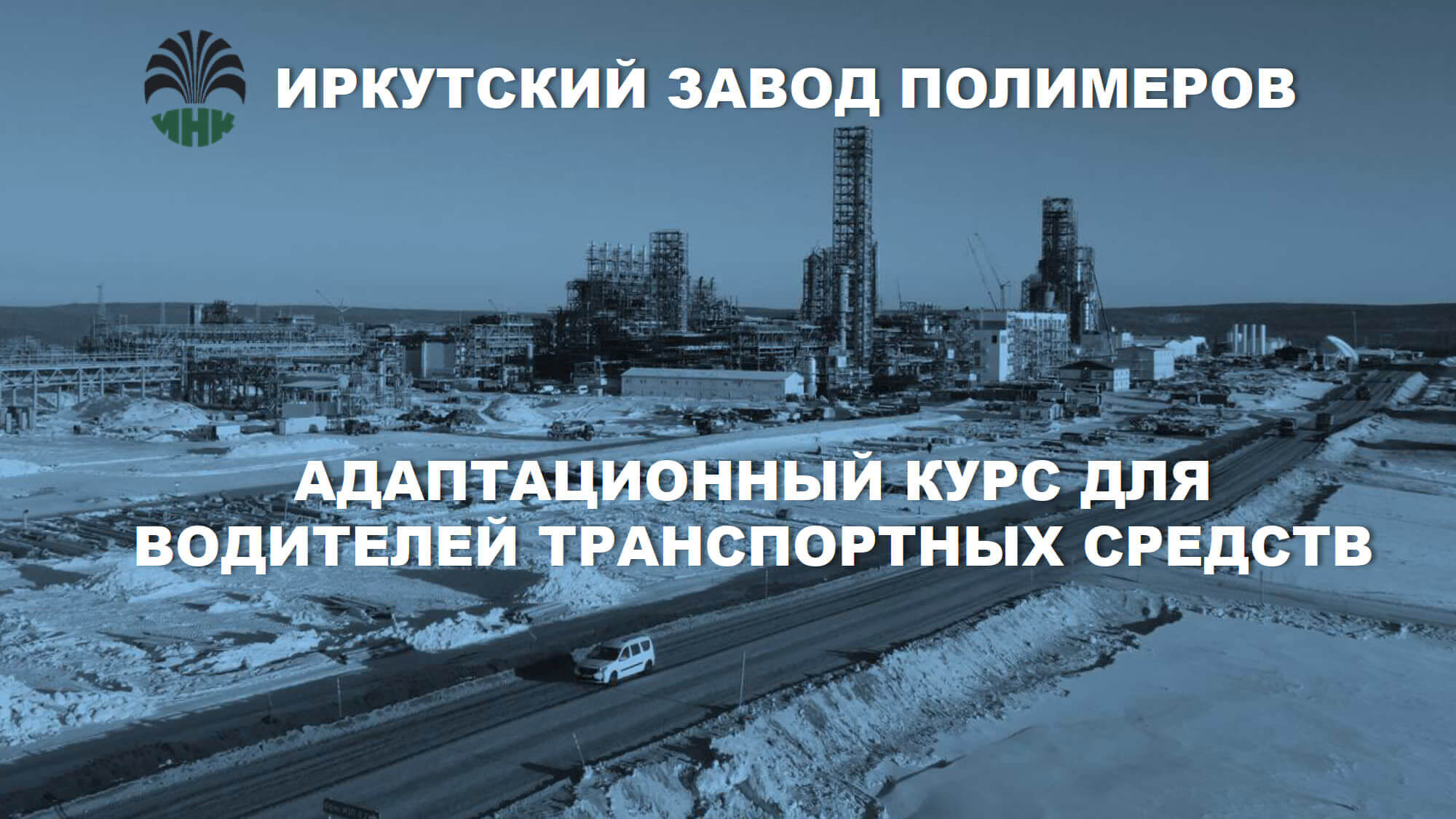
Induction Video Course for Drivers
The article describes the creation of a 12-minute orientation video course for drivers starting work at the Irkutsk Polymer Plant. The training video clearly demonstrates local road safety rules and the consequences of non-compliance, helping drivers without experience at the enterprise avoid dangerous situations. The video material was prepared by an employee without involving an external filming studio, which saved the company's budget, and is now actively used in safety briefings, on informat...

Risk-Based Thinking in Industrial Safety and HSE
Risk-oriented thinking in industrial safety and occupational health and safety consists of the ability to analyze potential hazards of operational activities and manage their consequences. This approach goes beyond simple compliance with standards and helps prevent accidents, injuries, and environmental damage, while simultaneously increasing the operational efficiency of the enterprise. The material examines ways to integrate risk management into all enterprise processes and the implementation...

Key Safety Rules
The article describes SIBUR's approach to the application of key safety rules, deviation from which can lead to the most serious incidents. Readers will learn how these rules are brought to the attention of employees, contractors, and visitors, as well as what sanctions are applied under zero tolerance for violations. In addition, the material explains how internal investigation of violations helps identify their causes and prevent precursors to incidents.
Language Barriers
When implementing large construction projects, companies often engage contractor organizations that do not always speak the same language as the client's workers. When an online translator is unavailable or does not allow specific technical requirements to be quickly conveyed during occupational safety control, a developed collection of short phrases is used. It is compiled from the most frequently used words when interacting with contractors and can be edited to suit the specific features of a...
Safety Memo
Safety memos are developed for new employees, contractors, and visitors so that they can know and understand the features of the facility. Posting notices with a QR code allows downloading the document to a mobile device and reduces the amount of printed materials. Having a memo helps reduce the likelihood that a worker will forget or miss something during the introductory briefing.