#Behavioral safety audit
Behavioral Safety Audits (BSA): methodology of open workplace dialogue, observer training, analyzing root causes of unsafe actions. Experience in implementing BSA to identify routine violations and prevent dangerous situations.

Behavioral Safety Traps
Why do employees commit unsafe acts even when clear instructions are in place? We break down four key workplace behavioral traps—from fatigue and communication breakdowns to group risk-taking and hasty error correction—and provide tools to prevent them through behavioral safety audits.
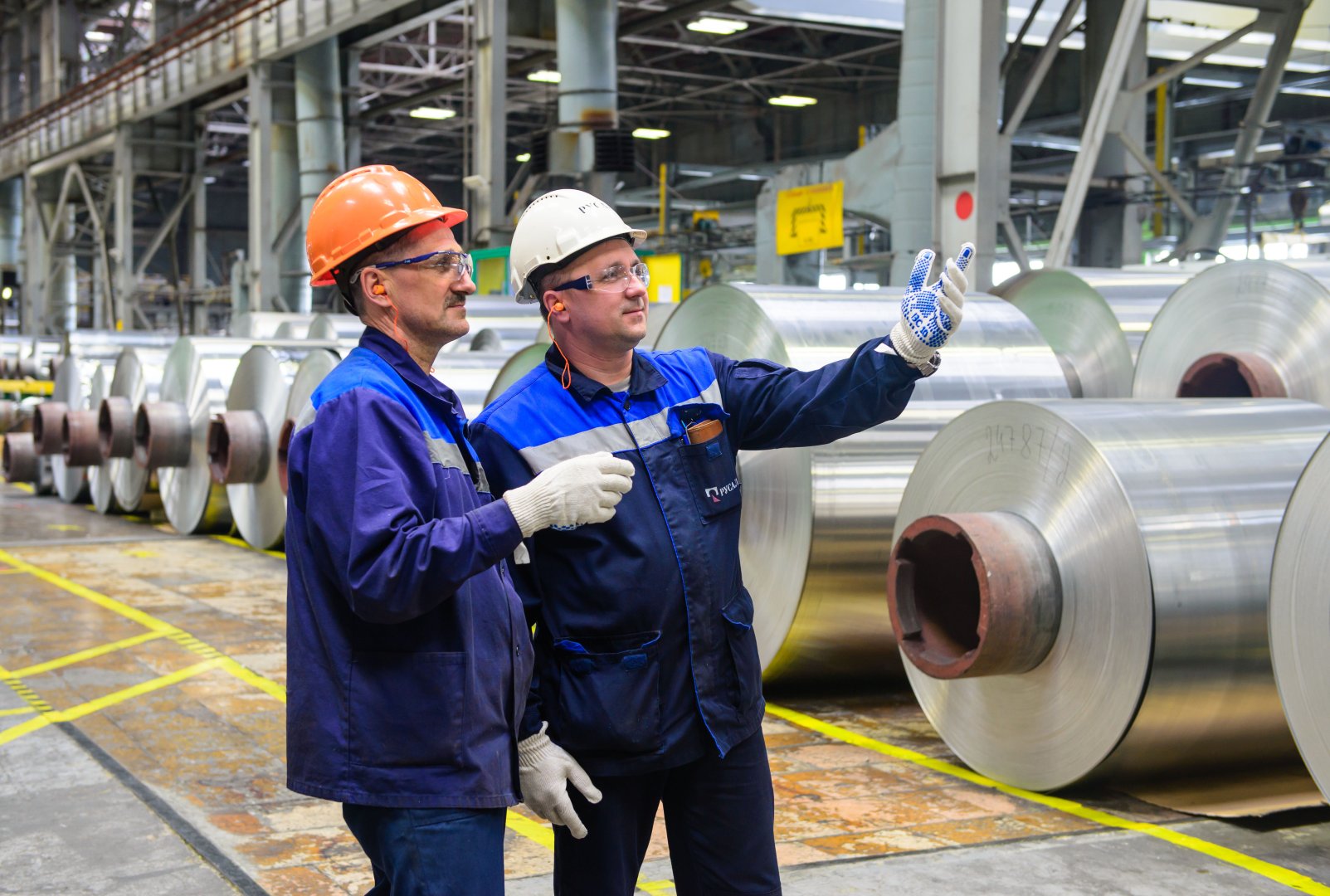
🛡️ Safety: Safety Observation Program (UC RUSAL) — Part 1
The outdated three-stage safety inspection system is becoming obsolete. Read how UC RUSAL's Downstream Division is implementing modern safety observations, overcoming formalism, and building a new HSE culture without massive IT budgets.
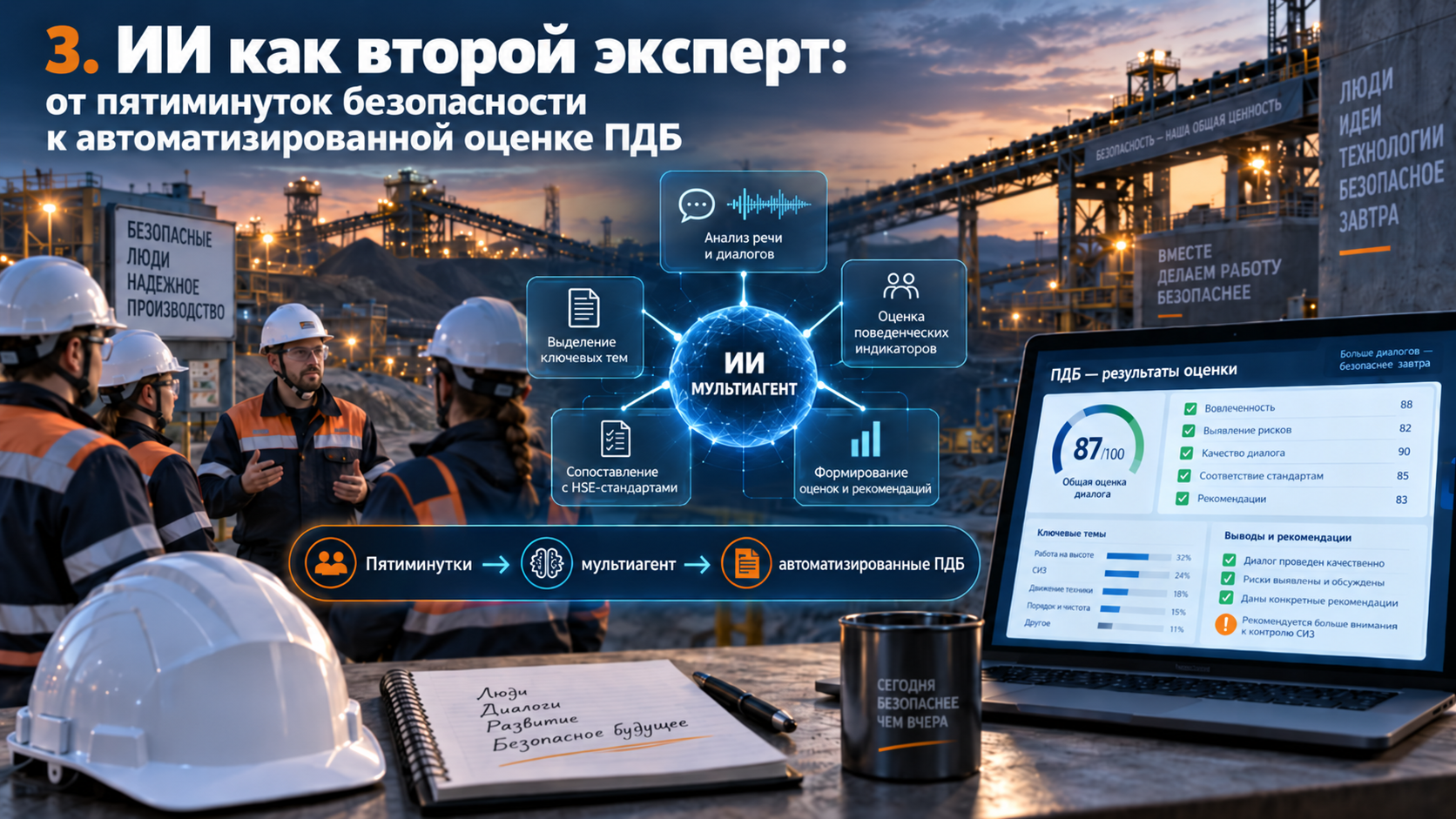
AI as a second expert: from safety talks to automated BSD evaluation
A conducted safety talk is easy to count — it is hard to understand if the conversation took place. The occupational health and industrial safety director of SSGPO JSC shows the next stage of their scheme: an AI assessor analyzes the audio recording of the safety talk and the behavioural safety dialogue using the same criteria, and the manager receives a personal review in about forty seconds. Inside: the path from a manual loop in Perplexity to a Telegram bot on Make and seven ready-made prompt...
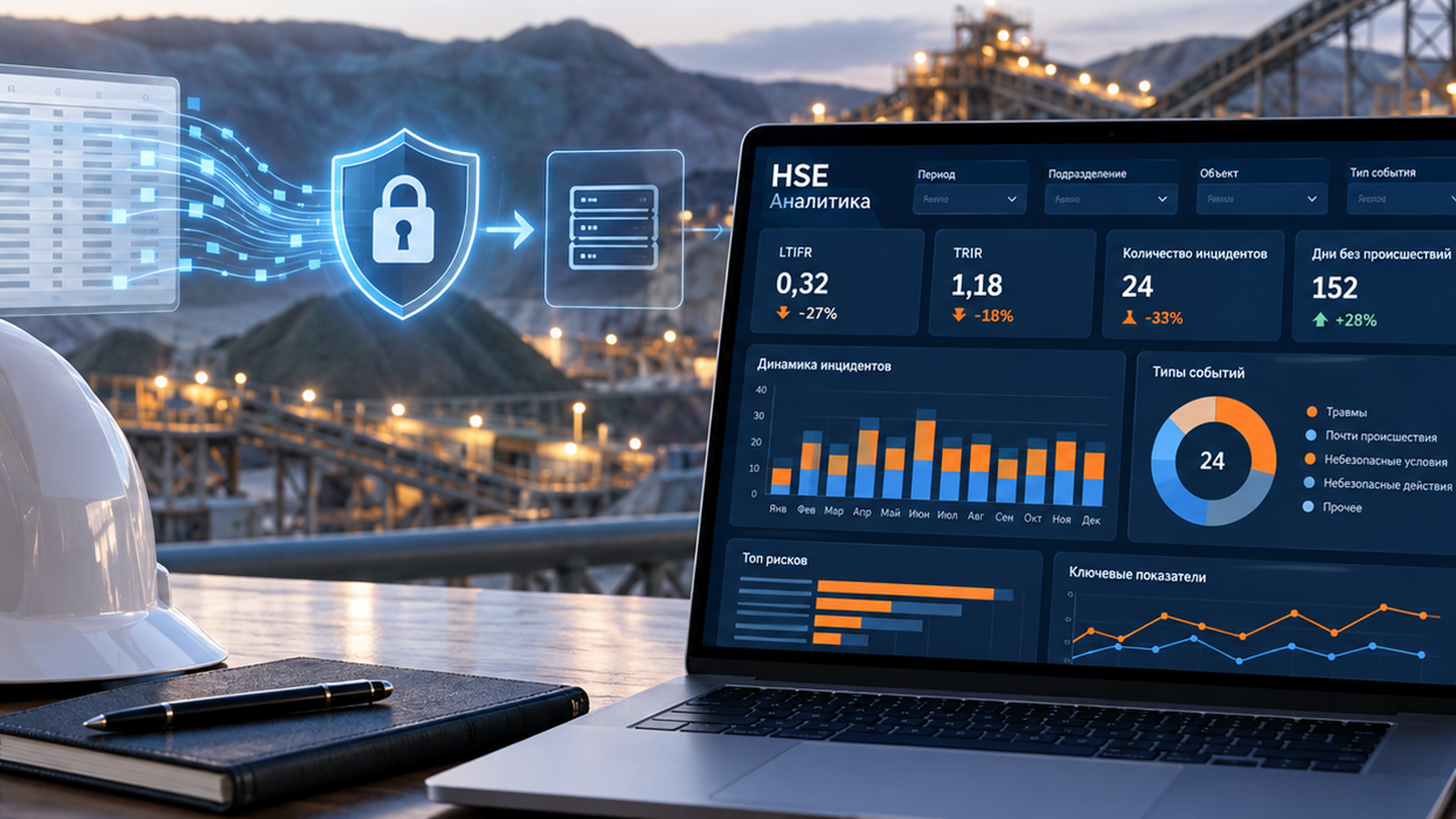
From an anonymized Excel file to management-level HSE analytics. Stage 2: building a standalone interactive HSE dashboard with vibe coding
The anonymized template is ready — what do you do with it next? The HSE director of JSC SSGPO shows stage two: in a few iterations the template turns into a standalone HTML dashboard for behavioural safety dialogues and critical risk control — with filters, clickable charts and drill-down from a general figure to a single record. The real working database is connected locally, once the program is finished. Includes all eight prompts in full.
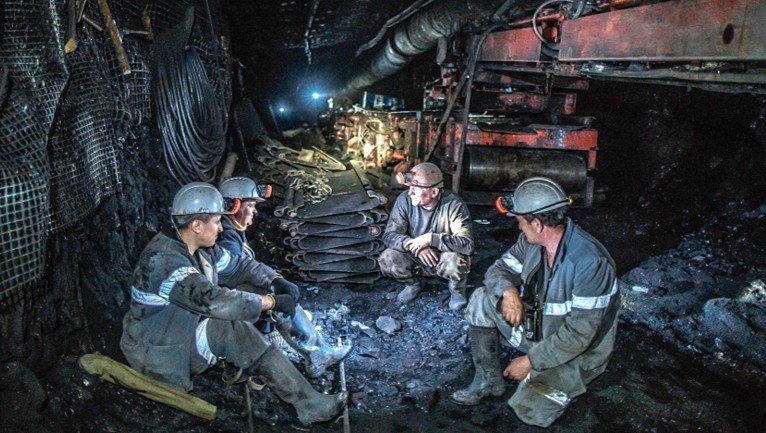
🛡️ Safety: what are you personally ready to do for safety?
Priorities change when production targets are falling behind, and values are compromised when a crisis hits. Why true safety culture begins not with declarations, but with everyone's personal choice — and what you can start doing in your workplace today: personal example, stopping unsafe actions, honest conversation, and searching for solutions instead of culprits.
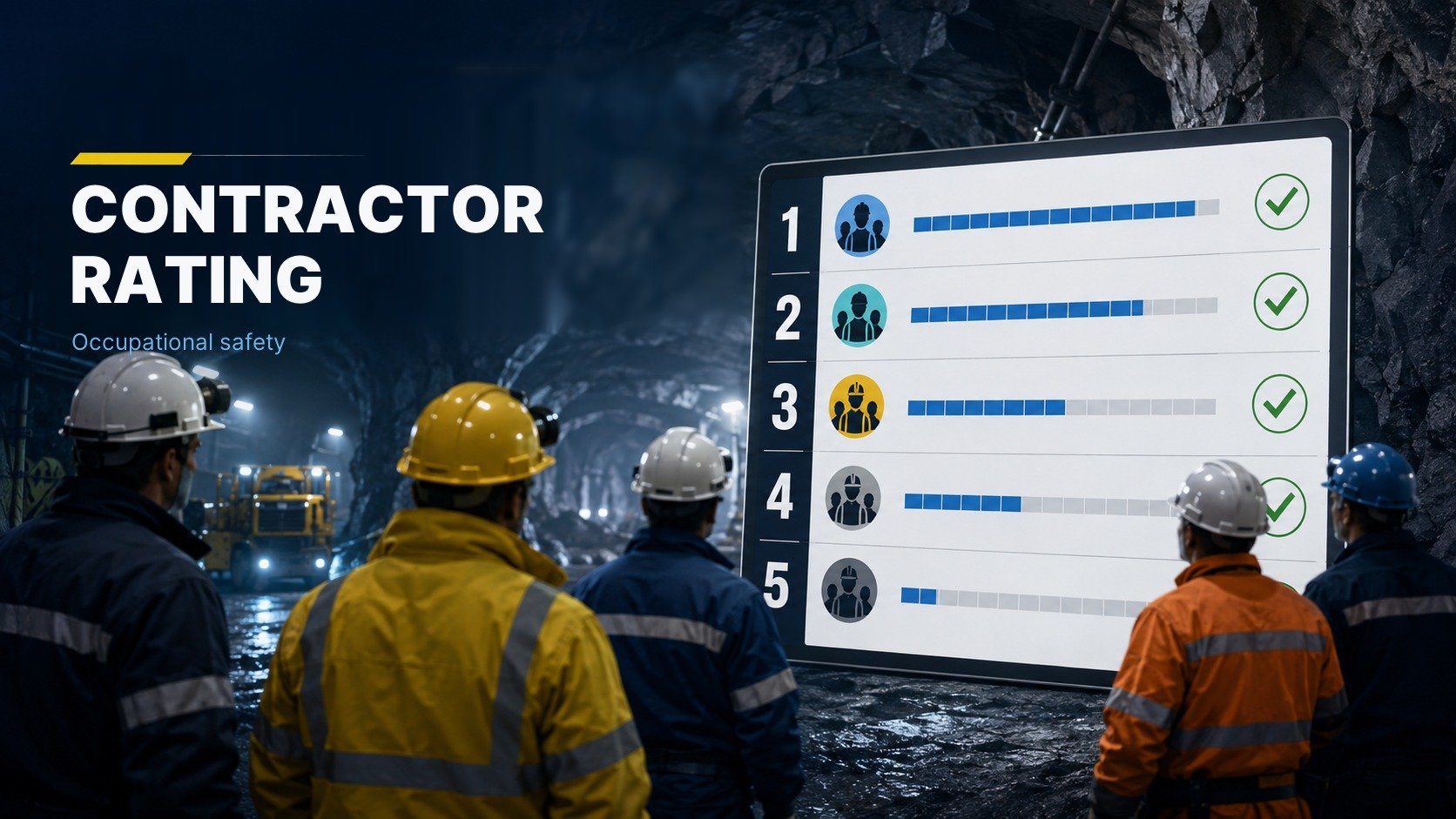
How to turn contractor control into a development system: creating an occupational safety rating
Experience in creating a contractor rating for industrial safety and occupational health and safety: three data sources — work executor assessment, control and preventive inspection, and management system audit — a management cycle instead of one-off inspections and pre-pilot results at a mine: 23 organizations, 36 contracts, growth of the median score of repeat audits from 73 to 91.
🛡️ Safety: “Safety: Acting Together” (UC RUSAL) — sharing my experience
Experience in building a corporate industrial safety and occupational health management system in the Downstream Division of UC RUSAL: 11 enterprises, about 8 thousand employees, five years of consistent work — and a 7.3-fold reduction in injury frequency, employee engagement of 42%, and a more than 6-fold increase in hazard elimination.

The Evolution of Leadership Principles and HSE Practices in Mining
Comprehensive safety culture transformation in a mining company with over 15,000 employees. A proactive KPI system was implemented, behavioral audits were digitized via a mobile app, and a unified critical risk management methodology was established. Leadership commitments were cascaded from top management to line supervisors through standardized safety practices.


Production Safety and Operational Excellence
Integration of production safety and operational excellence at a chemical plant through the abandonment of quantitative KPIs for behavioral audits, the implementation of a risk-based approach, and the involvement of top management in regular floor walk-throughs. The practice includes tracking off-the-job injuries in the total LTIFR and implementing frontline personnel initiatives through the corporate "Idea Factory."


Leadership: Do You Really Need It?
Transformation of safety culture at a large industrial enterprise through the transition from directive control to engaging leadership. Implementation of developmental feedback tools, behavioral safety audits, and Just Culture principles for proactive management of minor injuries and near misses.

Efficiency Through Care: How Employee Health Boosts Business Results
A comprehensive wellness program covering the physical and psychological health of employees. Includes on-site check-ups, cardioscreening for employees 40+, multilevel telemedicine, psychological support, and corporate sports development.

Safety Leadership as Part of the Overall Production Culture
Transforming the role of managers in safety through leadership visits, quality integration, and developing a safety leaders movement. The practice includes transitioning from behavioral audits to open dialogue, training line managers, and supporting employee initiatives.