Expert Blog

5S and HSE
The 5S workplace organization methodology helps to increase work efficiency, improve safety, and reduce costs without significant investments at any enterprise. It allows eliminating sources of hazard and fire, improving ergonomics, and reducing the risk of worker injury. The system can be adapted not only for physical production processes, but also for managing occupational risks and improving working conditions.

Every-Shift Briefings: A Safety Moment for Leaders
At JSC Apatit, shift briefings (EZHI) are conducted before the start of each shift, during which line managers review occupational health and safety issues, high-risk work, and lessons learned from incidents with employees. Such a format not only engages workers in the topic of safety through dialogue and feedback, but also helps managers develop their leadership and public speaking skills. The article explains how the conduct of EZHI is organized, by what criteria their quality is evaluated, and how the best facilitators are motivated.

Self-Confidence
Self-confidence is belief in one's strengths and the ability to take responsibility for one's own decisions and actions. In the article, the author shares ways to boost confidence that they tested on themselves: from setting new challenges and forming useful habits to respecting personal boundaries. The material reminds us that self-improvement is a smooth, gradual process, and self-confidence is a skill that can and should be developed.
Improving Legislation on Aquatic Biological Resource Reproduction
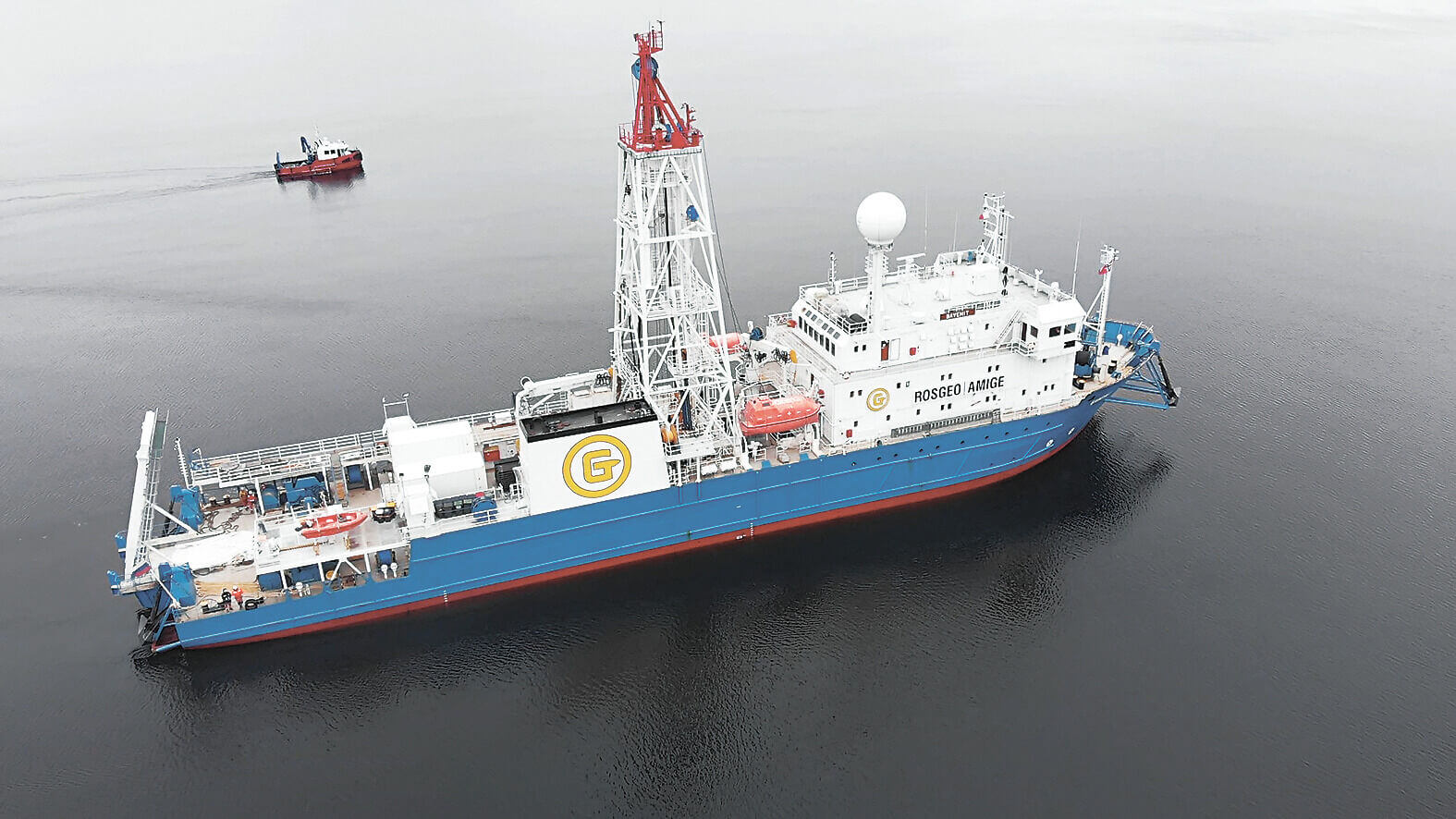
The article is devoted to the imperfections of the current mechanism for assessing and compensating for harm to aquatic biological resources during economic activities. Based on the experience of JSC Rosgeology, the author substantiates the need for legislative changes that allow damage to be compensated not only in kind, but also in monetary form. The proposed amendments are aimed at increasing the transparency of calculations, preventing an unreasonable increase in business expenses, and effectively planning restoration measures.

Digital Future (Part 2). Control over Safe Work Operations
The article is devoted to digital tools for safe production, including video analytics, VR technologies, incident recognition systems, and hazardous zone control. Unlike the common approach with significant delays in information processing, these digital solutions make it possible to capture risks and transmit signals in real time. The material demonstrates the experience of companies that are already digitalizing production processes and personnel behavior to control man-made events.
HSE in 30 Years: A Pessimistic Future Scenario
The article examines a pessimistic scenario for the development of occupational health and safety in 30 years, in which automation, weakened supervision, and economic crises could make workplaces less safe. The author analyzes future threats—from reduced investment in safety due to the replacement of human labor by robots to risks caused by climate change and psychological stress. The material emphasizes the need for active cooperation between workers, employers, and the state to overcome challenges and protect people's health.

HSE in 30 Years: An Optimistic Vision of the Future
The article describes an optimistic scenario for the development of occupational health and safety in 30 years, when advanced technologies will make the work environment safer. It examines how the performance of dangerous tasks by robots, risk forecasting by artificial intelligence, and training in virtual reality will help reduce workplace injuries. The author also pays attention to the use of self-healing materials and care for the psychological health of employees.

Full Autonomy... Is It Worth the Effort?
The article examines the risks of outsourcing the maintenance of breathing apparatuses and rescue equipment to third-party organizations at enterprises in the mining and metallurgical industry. The author analyzes the advantages of creating an in-house specialized station for servicing respiratory protective equipment and ventilators, including full quality control, high operational responsiveness, and reducing the likelihood of failures during accidents. The material shows that organizing such a facility directly at the enterprise is not a complex task and makes it possible to reduce financial costs.

VR Technologies in Personnel Training: Practices of LLC ZARUBEZHNEFT-Dobycha Kharyaga
The article describes the practice of LLC 'ZARUBEZHNEFT-dobycha Kharyaga' in implementing a VR simulator and a 3D model of the Oil Treatment and Gathering Facility for safe personnel training. The virtual environment allows operators to practice step-by-step instructions, select personal protective equipment, and study equipment structure from the inside without halting production. The use of this technology helped increase the quality of material comprehension by an average of 30% and significantly reduce the risk of incidents.

Three Rules for a Great Multimedia Presentation
Most public presentations on occupational health and safety are overloaded with bulky text from the Labor Code and stock illustrations, failing to spark interest among the audience. The article examines in detail the key mistakes in creating them: the lack of focus on the target audience, an unclear structure, and the inability to visually present the collected data. The author shares recommendations that will help shorten complex sentences to their essence, formulate clear headings, and select appropriate visuals.
Directions for the Economic Optimization of HSE Processes
The article is dedicated to the economic optimization of occupational health and safety processes by comparing the effectiveness of measures with the volume of investments and accounting for invisible indirect expenses. The material examines the features of key optimization areas, including team development, investments in innovation, automation, and attracting consulting. This will help evaluate the efficiency focus of each approach and select a solution matching the company's priorities in terms of budget, speed, and quality.

How to Transfer Professional Experience to Students?
The article is dedicated to the "First-Person Professionalism" project, within which company executives conduct lectures for students in classrooms. The author shares the experience of annual participation in the project and tells how to instill a culture of occupational health and safety in young people through real production examples and videos. The material demonstrates the possibility of organizing similar trainings for students of technical colleges and universities at any enterprise.