Expert Blog

Gamification as a Method for HSE Training
The article examines the use of game elements in occupational health and safety training — from theoretical foundations and improving safety culture to practical sessions. The implementation of points, experience points, or competitions increases employee motivation and engagement, as well as helps develop problem-solving skills based on real-life situations. At the same time, the author analyzes possible difficulties of the method, such as the labor-intensive development and evaluation of results, emphasizing the importance of a balance between the game and information components.

A Fresh Perspective on Safety Walkarounds
A line walk differs from planned inspections in that it is built on trust and is aimed not at punishment, but at building an open dialogue with employees and identifying risks. Such an approach allows a manager of any level to receive direct feedback from personnel, since it is the workers who best know production problems and ways to eliminate them. The article tells how recording the results of walkthroughs and jointly identifying problems help to effectively organize production and eliminate risks at the enterprise.

Engagement Methods: Russian Railways Professional Championship
The article is dedicated to the JSCo Russian Railways Professional Championship as an effective tool for engaging employees in production process safety issues. Using the 'Occupational Health and Safety' skill as an example, the material examines competitive modules, evaluation criteria, and contestants' practical tasks. The publication demonstrates how participation in the championship helps unite specialists, upgrade their skills, and support communication within the community.

Is Safety Culture the Mother of All Safety?!?!
Safety culture is the foundation for personal, occupational health and safety, and information security, fostering a conscious attitude toward risks in daily life and in the workplace. The article examines how developing this culture helps reduce risks through analysis, training programs, and proactive measures. Such an approach contributes to creating a sustainable environment where safety becomes a priority and everyone's personal responsibility.
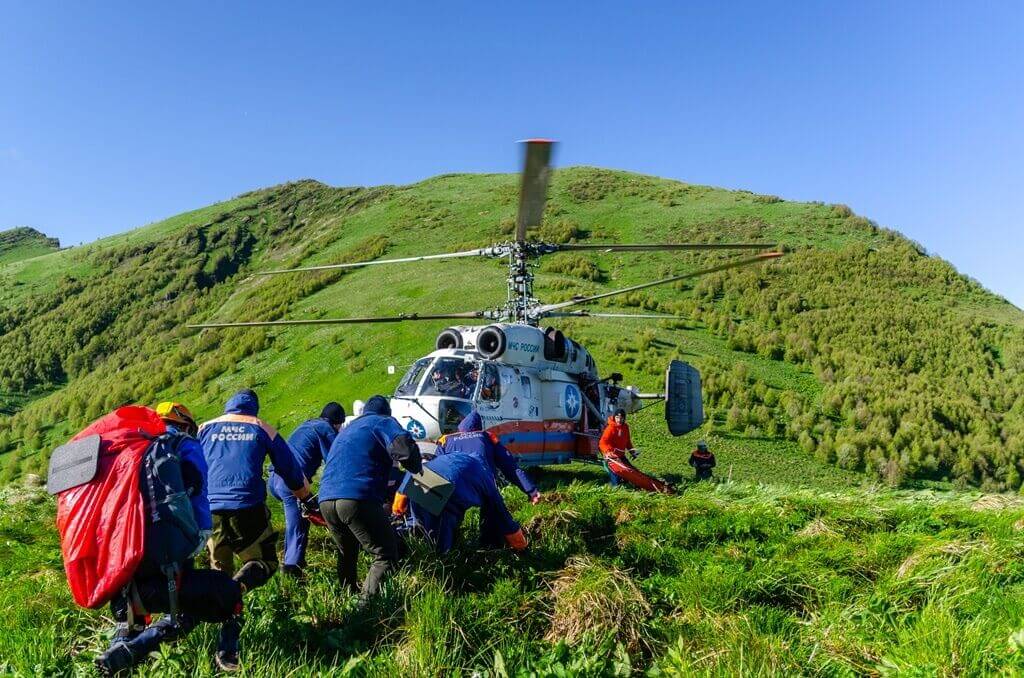
Challenges of Evacuating Workers During Accidents and Incidents from Remote Areas and Ways to Solve Them
The article is dedicated to the specifics and key difficulties of evacuating geological exploration workers in the event of injuries and accidents in remote and inaccessible areas. It examines the problems of imperfections in the existing regulatory framework, the lack of infrastructure, and climatic risks that impede the provision of emergency assistance. It also demonstrates a comprehensive approach to solving these problems, using the example of establishing a 24/7 operational headquarters, preliminary evacuation planning, staff training, and the implementation of telemedicine.

Safety Communication System
The lack of a well-established communication system at an enterprise makes it difficult to solve workplace safety problems and implement employee ideas. The article examines the division of tasks across three management levels and the use of a cascade of meetings to escalate issues from the bottom up and transmit decisions from the top down. Proper organization of such a process allows participants to be kept in a single information field and enables discussions to end with decisions that have specific deadlines and designated responsible parties.
The Story of the Resusci Anne Mannequin
The article tells the story of the creation of the first CPR training mannequin "Resusci Anne". You will learn how in 1958 the death mask of an unknown 19th-century Parisian drowned woman served as the basis for the appearance of the simulator created by Åsmund Laerdal at the request of doctor Peter Safar. The publication explains why this legendary mannequin "Annie" became a benchmark for resuscitation training models and earned the title of the most kissed girl.

Personal Brand: A Necessity or a Tribute to Fashion?
The article examines personal branding as an opportunity to express one's uniqueness to sell services, gain recognition, and achieve set goals in the digital era. The author shares experience in promoting an expert through participation in specialized conferences, regular maintenance of a personal page, high-quality visual content, and work with industry publications. The material shows how taking initiative and proper positioning help to produce the desired effect and build mutually beneficial cooperation.
How Suvorov Engaged Soldiers in Battle and What It Has to Do with Safety
Alexander Suvorov's military approach was based on conveying specific goals to every soldier and rejecting reliance on blind luck ("avos"). Using this historical example, the article explains why involving employees in decision-making and developing safety measures increases their personal responsibility and motivation. Such an approach not only ensures occupational health and safety in the workplace, but also helps create an atmosphere of trust and unlock the potential of every employee.
Testing During HSE Assessment Sessions
The article is dedicated to employee assessment methods during occupational health and safety assessment sessions at JSCo "RZD", including testing based on the 7 Golden Rules of the "Vision Zero" concept. The author describes practical approaches to analyzing employee accountability, the work of expert groups, and the planned implementation of a locus of control test to evaluate readiness for safe behavior. The material shows how testing and feedback results help identify the strengths and growth areas of middle managers.
HSE Assessment Sessions at Russian Railways (RZD)
At JSCo "RZD", a new training format has been introduced to develop a safety culture and foster a "safe mindset" among middle managers — assessment sessions on occupational health and safety. This approach complements traditional forms with active interaction methods and special assessment tools, transitioning employees from the role of listeners to the status of those responsible for the result of their learning. The article describes the practice of training moderators from among the company's specialists and the experience of holding sessions that have already covered more than 14 thousand managers.

Incident Investigation: Practices of Zarubezhneft-Dobycha Kharyaga LLC
The article is devoted to the practical experience of LLC "ZARUBEZHNEFT-dobycha Kharyaga" in high-quality investigation of workplace incidents, taking into account the requirements of legislation and internal regulations. The material outlines the sequence of investigation stages, including the use of the "LORD" method for fact collection, building a timeline, and searching for root causes using a series of "Why?" questions. This makes it possible to differentiate between direct and systemic causes of incidents, as well as to develop preventive actions based on SMART principles to prevent their recurrence.