#Contractors
Managing safety when working with contractors. Complex interaction systems: from pre-qualification (PQ) to final audit. Cases on introducing safety passports and digital access systems for contractors at industrial sites.

Digital Tools for Developing a Safety Culture
Implementation of a set of digital tools for HSE management: remote induction training with testing, pre-shift knowledge testing, online booking for knowledge checks, and an electronic permit-to-work system. The practice aims to reduce bureaucratic barriers, continuously monitor the competencies of staff and contractors, and adapt software to existing enterprise business processes.

Formation and Development of Safety Culture in Contractor Organizations
A comprehensive program for building a safety culture among contractor employees, including face-to-face training with an internal motivational trainer, adapting tools to the personnel's level, and monitoring retention in the field. The practice also includes a supervising institution and a mechanism for replacing fines with proactive HSE investments.

To Punish or to Pardon...
The article examines the problem of fines for violations of occupational health and safety by contractors, which ultimately leads to higher service costs and a shortage of contractors for the customer. The author explains why strict sanctions do not reduce injury rates and proposes an alternative approach — a partial waiver of fines in exchange for contractor investments in the safety of their workers. Such contractual conditions allow the customer to maintain reasonable prices for work, and the...

Full Cycle of Interaction with Contractors
A comprehensive contractor interaction management system, including multi-stage selection, permit digitalization, regular audits, and reliability rating formation. The practice covers the entire lifecycle of working with counterparties: from on-site inspections to joint incident investigations and the application of a fine system with the possibility of replacing them with proactive safety investments.

Digitalization of Access Control: New Horizons of Safety
Implementation of a comprehensive access control system for high-risk work, including the personal presence of experts ("demonstration access"), continuous video recording of the process using mobile recorders, and testing of stationary neural network video analytics complexes. The practice aims to eliminate a formal approach to pre-shift briefings and PPE checks, as well as to build trusting relationships between personnel and regulatory bodies.

HSE Management System: A Course on Worker Safety
Implementation of an original 12-element human-centric and risk-oriented HSE model. The model divides incident causes into unsafe acts (direct and indirect) and unsafe conditions (eliminable and manageable), forming protective barriers for each, including commitment development, telemedicine, root cause analysis, and personnel involvement.

On the Same Wavelength! How Irkutsk Oil Company Built a Communication System and Engaged Everyone in Safety Issues
A multilevel HSE communication system covering top management, line personnel, and contractors. It includes regular interaction platforms (committees, forums, stop hours, safety days) for open dialogue, incident analysis, and feedback collection, significantly reducing injury rates and improving safety culture.

Managing HSE Supervising
Transitioning from in-house occupational safety inspectors to a managing supervising model at remote project sites. Engaging supervisors through private employment agencies and expanding their role from simple control to risk management and contractor training.

Reducing Seasonal Accident Rates
Transformation of the road safety management system based on a deep analysis of accident causes. Implementation of automated contractor notifications, task systems, and electronic attendance tracking for safety stand-downs to reduce seasonal accident rates.
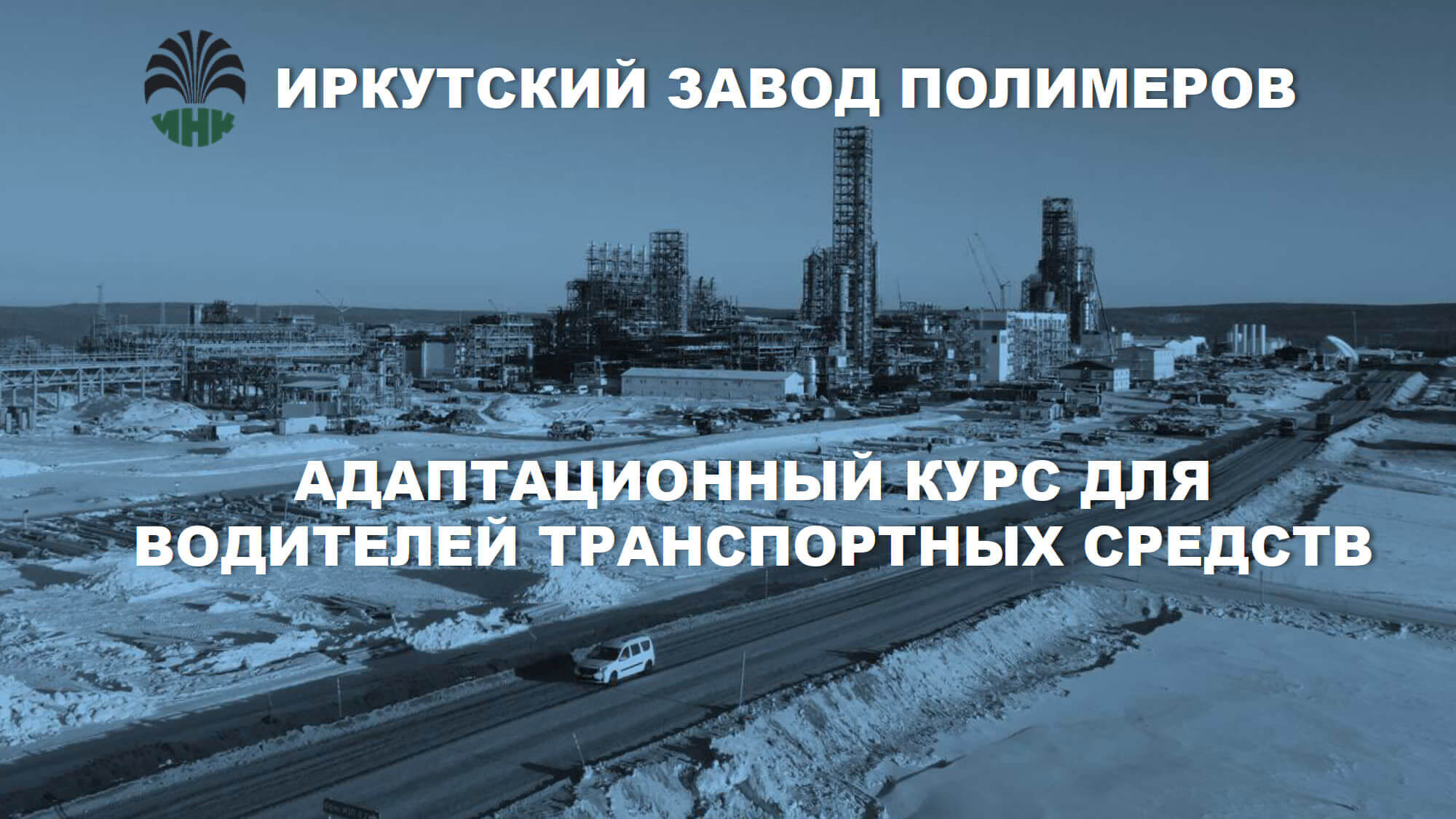
Induction Video Course for Drivers
The article describes the creation of a 12-minute orientation video course for drivers starting work at the Irkutsk Polymer Plant. The training video clearly demonstrates local road safety rules and the consequences of non-compliance, helping drivers without experience at the enterprise avoid dangerous situations. The video material was prepared by an employee without involving an external filming studio, which saved the company's budget, and is now actively used in safety briefings, on informat...

Specialist Qualification – A Key Factor in Construction Safety and Quality
A comprehensive qualification and safety management system on a megaproject with rapid personnel growth. It includes strict rationing of the ETP-to-worker ratio, multi-stage incoming inspection with testing and screening of unscrupulous training centers, as well as continuous training at shift camps and field training grounds.

Reducing Traffic Accidents on the Roads of the Irkutsk Polymer Plant
A comprehensive approach to managing road safety at a large-scale construction site involving over 1,200 contractor vehicles. Infrastructure solutions (parking lots, signs, clearance frames, pedestrian paths), a satellite monitoring system for speed and work/rest schedules, and an interactive map of road closures have been implemented.