#KPI
Key Performance Indicators (KPI) in OHS that actually work. Transitioning from lagging metrics to leading, preemptive safety indicators. Linking bonuses to proactive behavior, not hiding minor injuries.
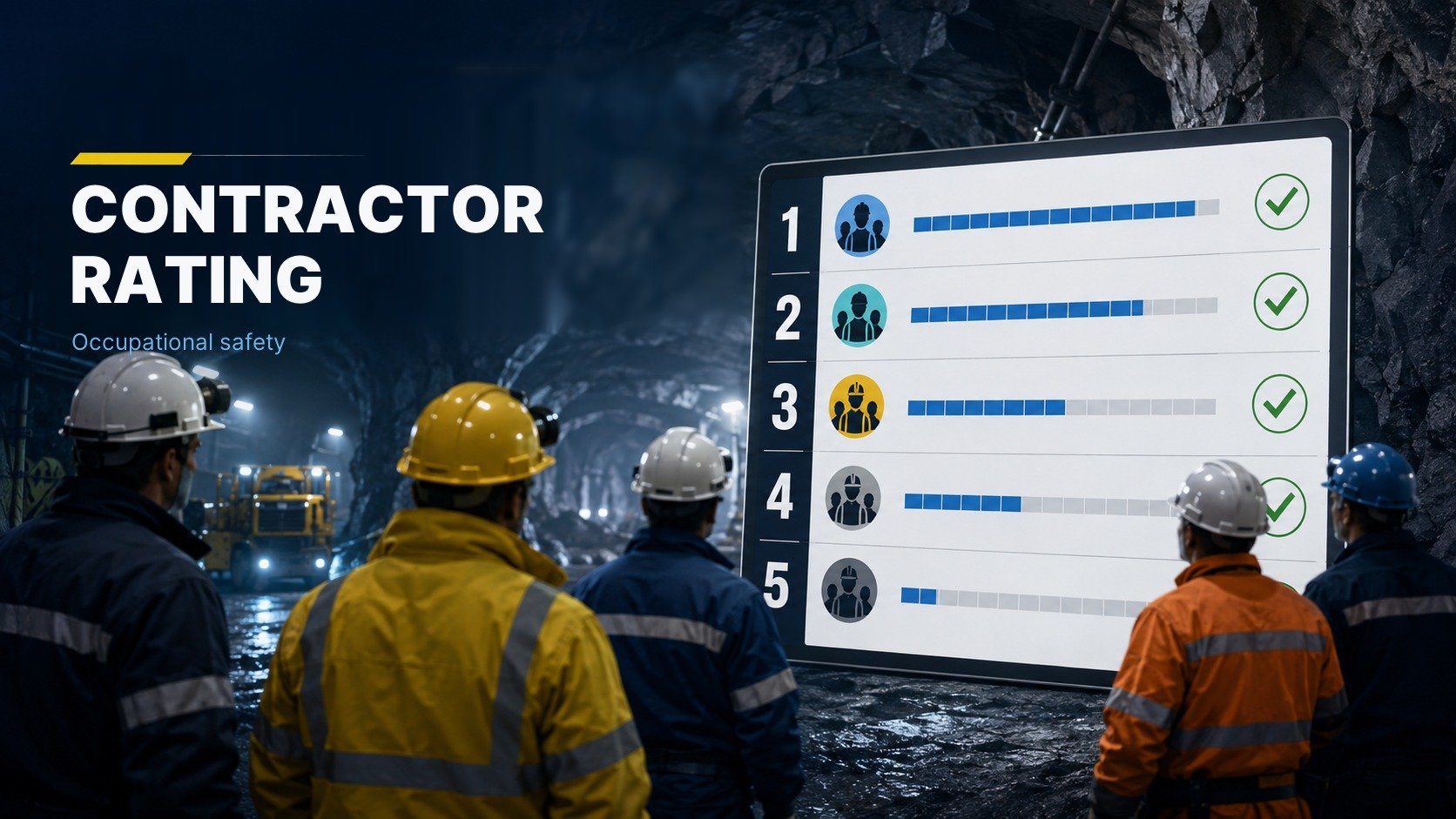
How to turn contractor control into a development system: creating an occupational safety rating
Experience in creating a contractor rating for industrial safety and occupational health and safety: three data sources — work executor assessment, control and preventive inspection, and management system audit — a management cycle instead of one-off inspections and pre-pilot results at a mine: 23 organizations, 36 contracts, growth of the median score of repeat audits from 73 to 91.
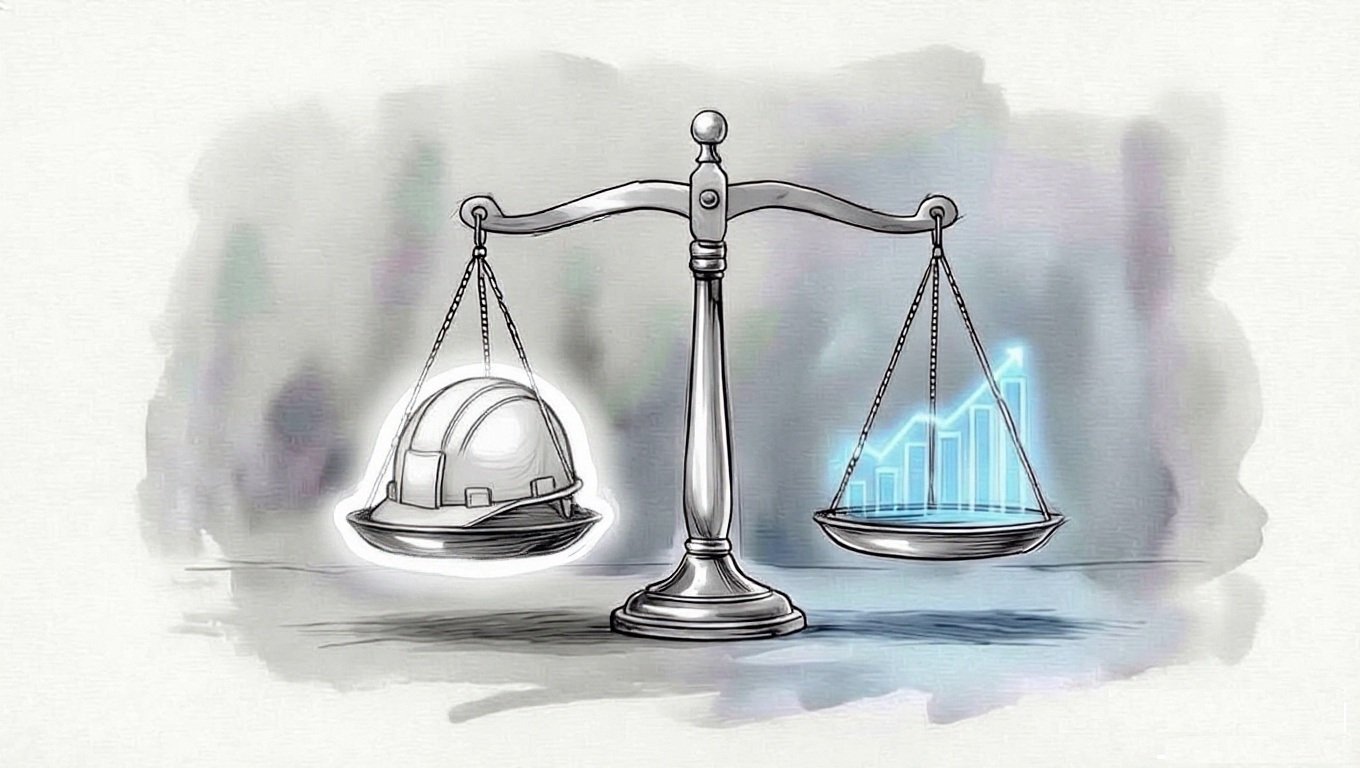
🛡️ Safety: Key Performance Indicators and Their Calculation
The article presents a convenient poster with key performance indicators in the field of occupational health and safety and industrial safety. Learn how to correctly calculate metrics, track safety levels, analyze trends, and make informed management decisions.

LTIFR, production plans, ratings, zero budget, and non-monetary motivation: a recipe for a successful solution from Metalloinvest
Implementation of a comprehensive rating system for production departments that combines safety, reliability, and efficiency indicators in equal proportions. The practice is built on non-monetary motivation tools with a zero budget and includes strict process metrics: risk resolution speed, quality of line walks, and the number of mitigated risks per employee. The tool makes production workshop managers the primary owners of safe operations by directly linking HSE indicators to production plan f...

The Evolution of Leadership Principles and HSE Practices in Mining
Comprehensive safety culture transformation in a mining company with over 15,000 employees. A proactive KPI system was implemented, behavioral audits were digitized via a mobile app, and a unified critical risk management methodology was established. Leadership commitments were cascaded from top management to line supervisors through standardized safety practices.


The Art of Achieving Balance
Integrating safety metrics (including off-the-job injuries) into top management KPIs and transforming Behavior-Based Safety (BBS) audits without strict targets. Implementing the "Safe Workspace" system and abandoning punitive approaches during walkarounds.

Control Architecture: How the System of Curators and Coordinators Changes Safety Culture and Business Efficiency
Implementation of a curator and coordinator system for managing contractor safety. Transferring responsibility for contractor admission and control to technical customers and on-site managers using checklists and linking KPIs to safety performance.

Client and Contractor: Effective Collaboration in Safety
Implementation of a motivation system and KPIs for project managers (clients) to control the safety of contracting organizations. The practice includes transitioning from reactive to proactive indicators, synchronizing the KPIs of the client and supervisors, and involving contractor managers in regular audits.

 +1
+1
Roundtable "Proactive Safety Indicators: What Really Works and What Becomes a Fiction?"
Implementation of proactive safety indicators to transition from reactive to preventive management. Decomposition of strategic goals (zero injuries) to the line manager level through metrics such as the number of observations conducted, violations identified, and improvements implemented.

System for Managing Near Misses
Implementation of a near miss management system at a manufacturing enterprise using paper forms. The process includes recording, initial elimination, multi-level reporting, and personnel motivation to achieve zero injuries.

HSE Strategy and Production Strategy: Points of Intersection
Integrating HSE strategy into production processes by including safety metrics in managing directors' KPIs, applying incident investigation methodology to analyze equipment downtime, and implementing the right to stop unsafe work. The practice also includes scaling safety standards to contractors by integrating them into the corporate risk management system.

Effective Motivation and Goal-Setting System for Industrial Safety. How to Align Company and Employee Goals
Development and implementation of a comprehensive integrated indicator "Safety Culture Pulse", combining 11 reactive and proactive metrics on a ten-point scale. The practice includes automating data collection, engaging managers through behavioral audits, and accounting for off-the-job injuries to build a proactive safety culture.

Managing HSE Supervising
Transitioning from in-house occupational safety inspectors to a managing supervising model at remote project sites. Engaging supervisors through private employment agencies and expanding their role from simple control to risk management and contractor training.