#Metallurgy
Specifics of HSE in the metallurgical industry. Managing hot shop risks: molten metal, high temperatures, heavy crane operations. Explores physical barriers, new-gen heat-resistant PPE, and robotics for hazardous tasks.

Clear. Fair. Consistent: Transforming the OHS Incentive System at Nornickel
Transformation of the OHS incentive system across the Nornickel group of companies (over 75,000 employees), aimed at transitioning from fragmented local regulations to unified, transparent rules for rewards and disciplinary accountability. Instead of 52-page documents, single-page reference guides were introduced for frontline workers and line managers, featuring 10 criteria developed by analyzing the causes of fatal and severe injuries as well as high-potential incidents. The processing of disc...
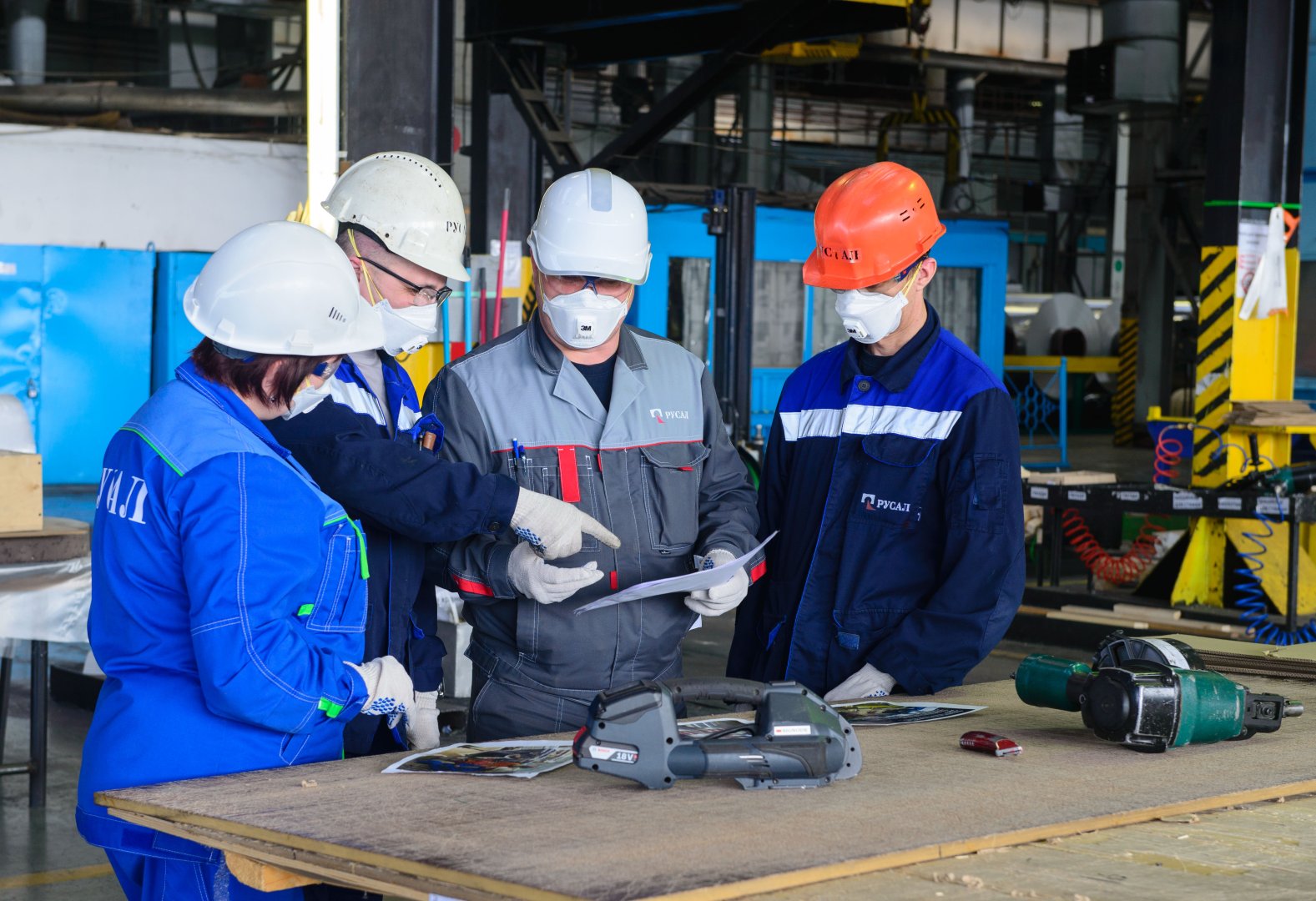
🛡️ Safety: Safety Observation Program (UC RUSAL) | Part 2
In the second part of the UC RUSAL case study, experts share their experience launching a safety observation program. Learn how the Quick Wins initiative helped move away from formal oversight, engage managers, and identify critical risks before launching the main system.
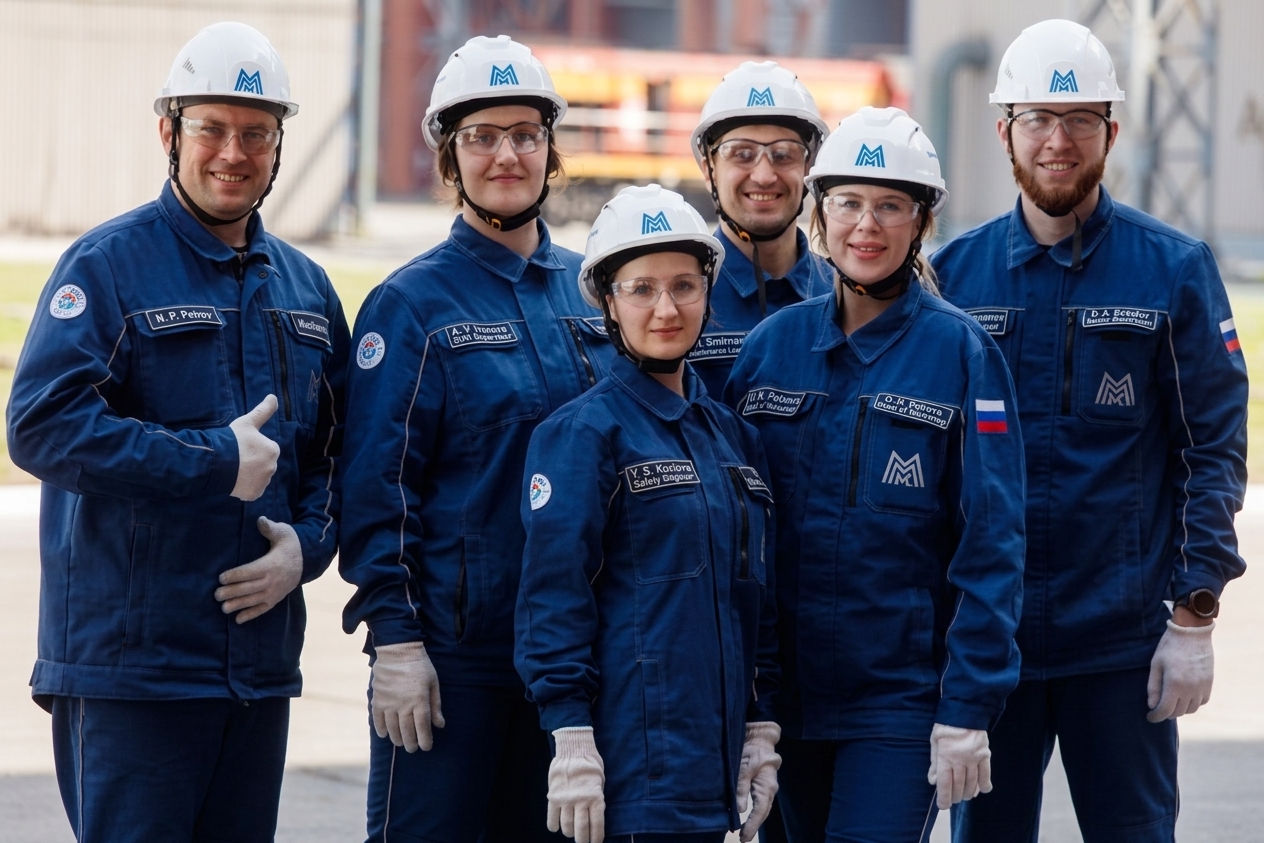
Dynamic Risk Assessment in Metallurgy: Three Rules of Preventive Safety
Find out how dynamic risk assessment (DRA) is changing the approach to safety in metallurgy. Three key rules for continuous workplace threat analysis that help prevent accidents in extreme production environments.

🛡️ Safety: HSE Induction Video — Sharing Our Experience
How to create an effective video for introductory occupational health and safety training without huge budgets? We share real experience of creating a video on our own: from idea to implementation for 3,000 rubles. Find out how to improve training quality and save specialists' time.
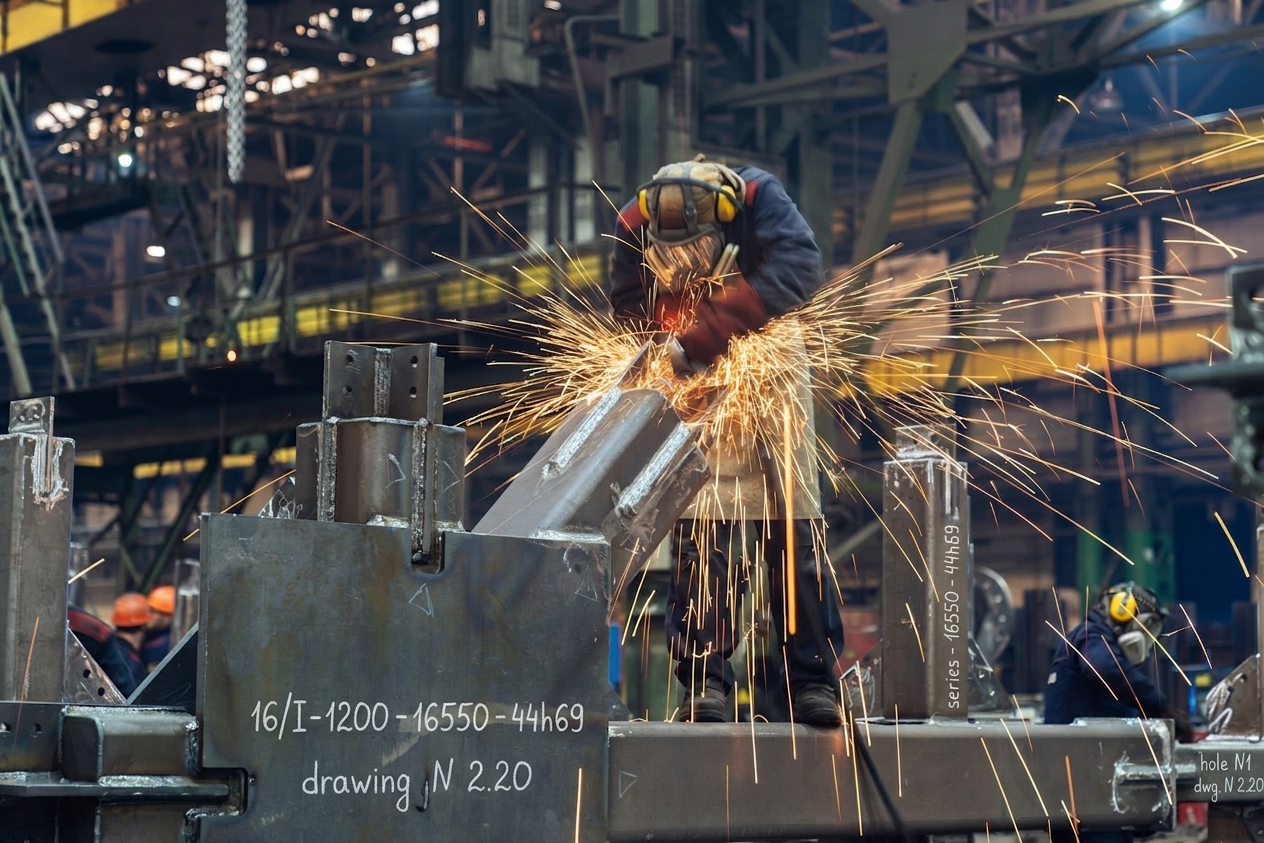
🛡️ Safety: HSE Risk Management — Sharing My Experience
An overview of the occupational health, safety, and industrial safety risk management system at OMK: from methodology to real case studies of fatal risk reduction and automation. Learn how to combine best practices and avoid a formal approach.

LTIFR, production plans, ratings, zero budget, and non-monetary motivation: a recipe for a successful solution from Metalloinvest
Implementation of a comprehensive rating system for production departments that combines safety, reliability, and efficiency indicators in equal proportions. The practice is built on non-monetary motivation tools with a zero budget and includes strict process metrics: risk resolution speed, quality of line walks, and the number of mitigated risks per employee. The tool makes production workshop managers the primary owners of safe operations by directly linking HSE indicators to production plan f...

Steel and Will: How Leadership Creates a Safety Culture in Metallurgy
The article discusses the key role of a leader in forming a living culture of industrial safety at metallurgical enterprises. Using the examples of Nornickel and Metalloinvest programs, it examines how personal commitment of management, implementation of digital technologies, and a culture of trust help prevent accidents and put worker safety above plan execution. The material helps to understand how to transform formal instructions into an effective system of personnel protection in production.

Environmental Risk Management
Transformation of the environmental risk management system at a large metallurgical enterprise, transitioning from reactive violation recording to proactive analysis. The practice involves engaging the production unit by translating environmental deviations into technological and financial risks, and changing the ecologist's role from controller to internal analyst.
Safety Volunteer – A Catalyst for Change
Implementing a safety volunteer program among blue-collar workers to enhance the culture of safe behavior. The practice includes voluntary selection without quotas, interaction with line managers for short-term tasks, and non-financial motivation via targeted training and specialized events.

Maintaining Management Engagement in HSE Issues Amid External Challenges and Uncertainty at NLMK Group
A comprehensive approach to developing HSE leadership at all management levels in NLMK Group. Implementation of proactive KPIs for top management, sponsorship of fatal risk reduction projects, and Wellbeing programs to support managers under stress.

Features of the Environmental Impact Risk Management System at VSMPO-AVISMA Corporation PJSC
Implementation of a combined environmental risk management system at a large industrial enterprise. Using the acceptable risk concept for mass events (over 4,000 risks) and minimal risk for strategic threats, applying individual technological solutions (e.g., transition to titanium laser cutting).
Incident Registration and Investigation Practices
Transforming the incident investigation process by involving top management and line managers. Implementing an independent incident notification line, abandoning punishment for errors in favor of penalizing concealment, and using an IT portal to monitor corrective actions and work with lessons learned.