The 5S Lean Manufacturing Tool as an Element of Corporate Culture
As a rule, it is not uncommon for a cluttered workplace or a simple lack of order to cause delays in production tasks and violations of occupational safety requirements, which, in turn, can lead to consequences such as industrial accidents.
To minimize the risk of hazardous situations and increase production efficiency, we decided to implement the 5S Lean manufacturing tool at the branch level.
At the first stage, the theoretical aspects of the Lean manufacturing concept were studied, and the experience of domestic and foreign enterprises was analyzed. Global experience is quite diverse and consists of management techniques. The basis of most of these techniques is the Japanese experience in production organization. The set of production organization techniques used by Japanese companies is known under various names: Toyota Production System (TPS), Lean Manufacturing, Kaizen, etc. The effectiveness of implementing Lean manufacturing is confirmed by the positive example of Japanese companies, which are world leaders in terms of product quality, productivity, occupational safety, and inventory and cost optimization. The appeal of these methodologies lies not only in the potential for increased productivity and quality but also in their applicability under tight budget constraints.
The 5S tool is the foundational system of Lean manufacturing. It allows for the organization of an efficient workspace with virtually no cost, while also creating the necessary starting conditions for implementing complex and expensive production and organizational innovations. It ensures their high efficiency by radically changing the mindset of employees and their attitude toward their work. The essence of the 5S tool lies in the connection between the order around us and the order in our thoughts. The better our environment is organized, the more productive and efficient our thoughts become. A deep, rather than cosmetic, transformation of any enterprise always affects the workstations — the "cells of the enterprise." The 5S tool is an initially created, repeatedly tested, and constantly improved means of healing these "cells," allowing for the transformation of the entire "organism" — the enterprise.
The 5S tool includes five steps:
- Seiri (Sort) – workplace organization;
- Seiton (Set in order) – arranging items so they best meet safety requirements;
- Seiso (Shine) – maintaining work areas in perfect cleanliness by everyone;
- Seiketsu (Standardize) – constant maintenance and repetition of the principles established above;
- Shitsuke (Sustain) – instilling responsibility so that everything is done as it should be (discipline).
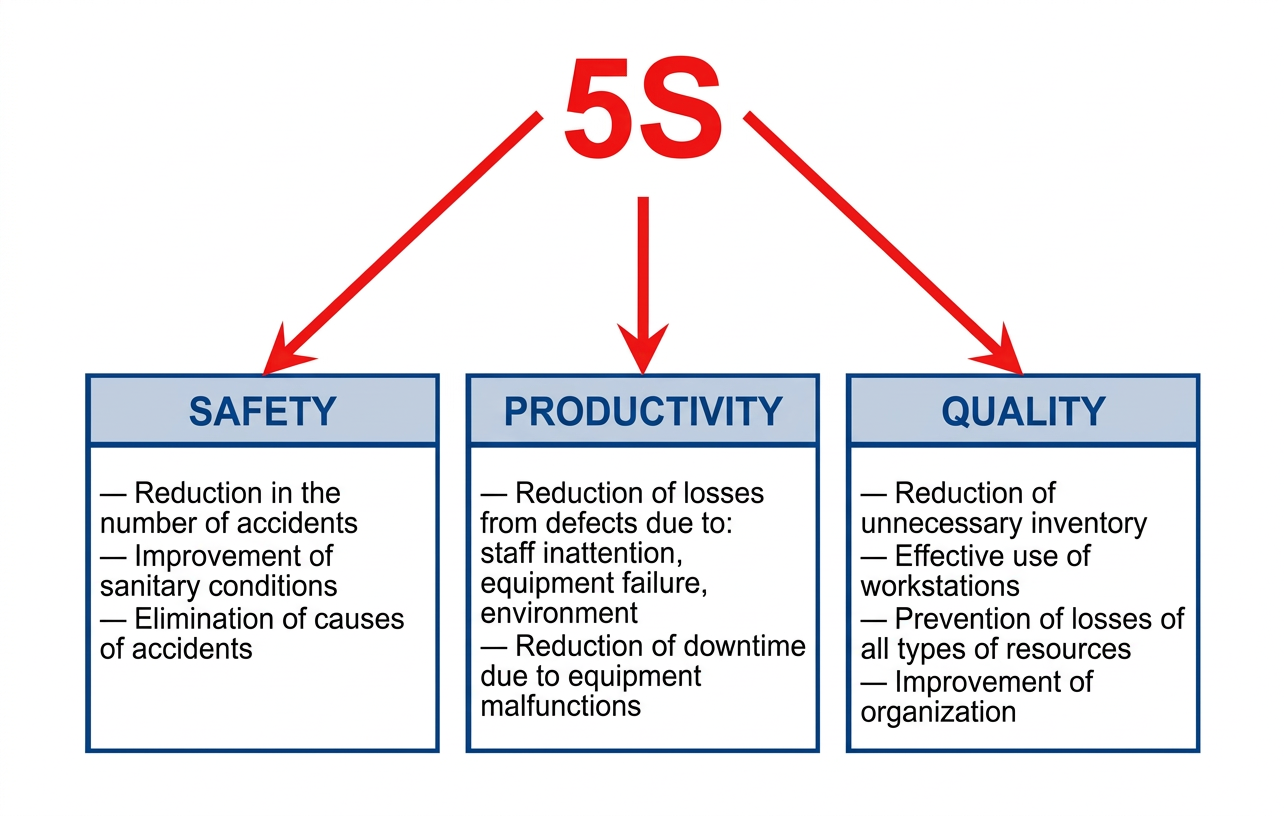
Fig. 1. Components of the 5S system
When implementing the 5S tool (system) at any workstation, it is important to record the location of items and tools in a "before and after" / "was – is" format at every stage (1S, 2S, 3S, etc.). This is important both for understanding progress and for involving other departments in the process (as a system training element). At the branch, a folder with monthly photo reports for each department has been created on the internal network resource, clearly showing the stage of work and what else can be done to improve the workstation/process. To improve the work process itself, which makes production more efficient and safe and reduces losses, management and specialists monitor compliance with labor discipline through installed video cameras. Reviewing operations allows for tracking not only the efficiency of the work performed by personnel but also its safety, which is a priority goal.
Since the beginning of 2015 and up to the present, this system has been actively implemented at the production base of the Primorskoye LPU MG, and the following results have been achieved:
- From 2015 to 2016, bright, clean, and safe workstations were created and are still maintained at the branch;
- Costs for purchasing tools were reduced by 20% due to careful storage;
- Employees perform various operations in less time. Through practical observation and time-and-motion studies (using a multi-purpose machine operator as an example), the actual time savings amounted to 32%.
The branch has solved the problem of rationalization and more complete, successful, and safe use of workstations. A huge step forward was taken in improving workstations in the workshops of various services and departments of the enterprise. Order and standardization of workstations were established, for example, by using stencils for various accessories, and sorting and visualization were carried out.
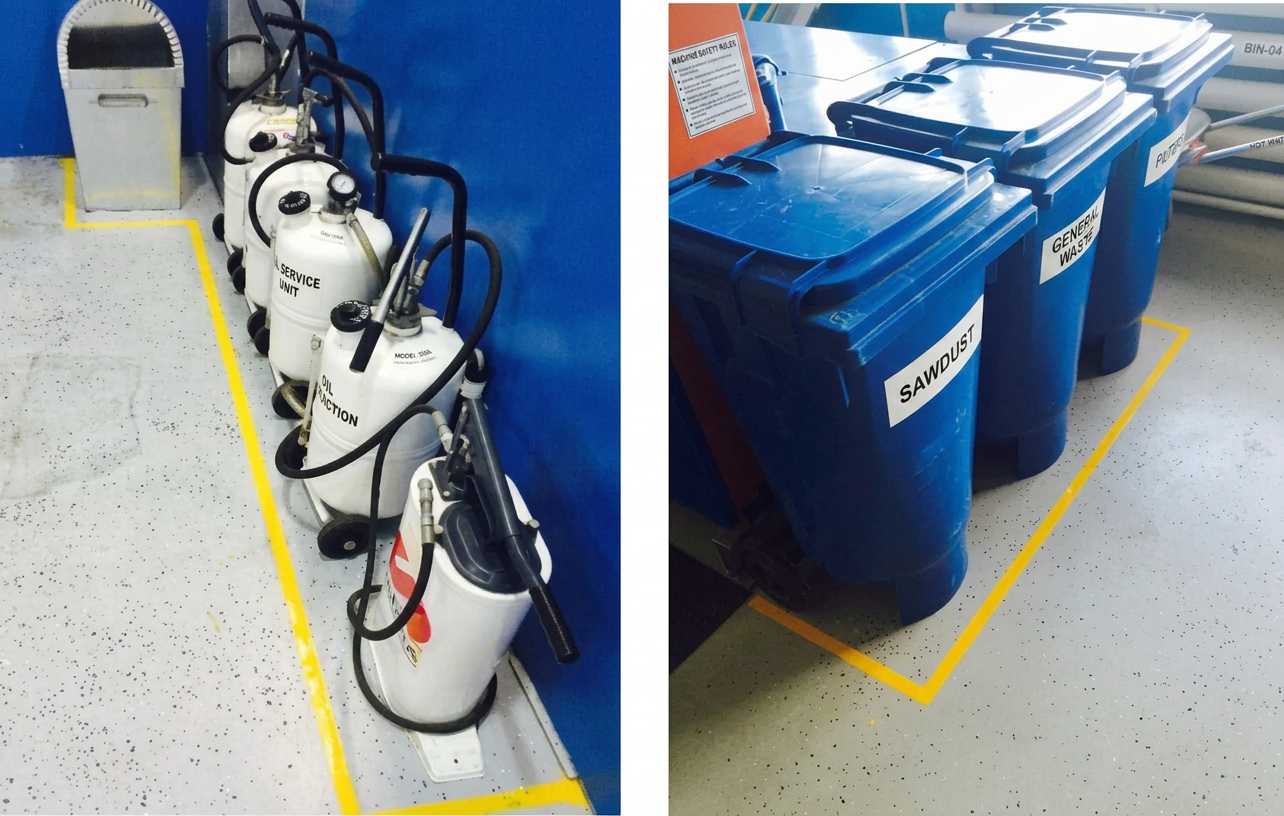
Fig. 2. Zone marking in the transport shop
As shown in Fig. 2, floor markings have reduced the risk of employee injury when moving around the shop.
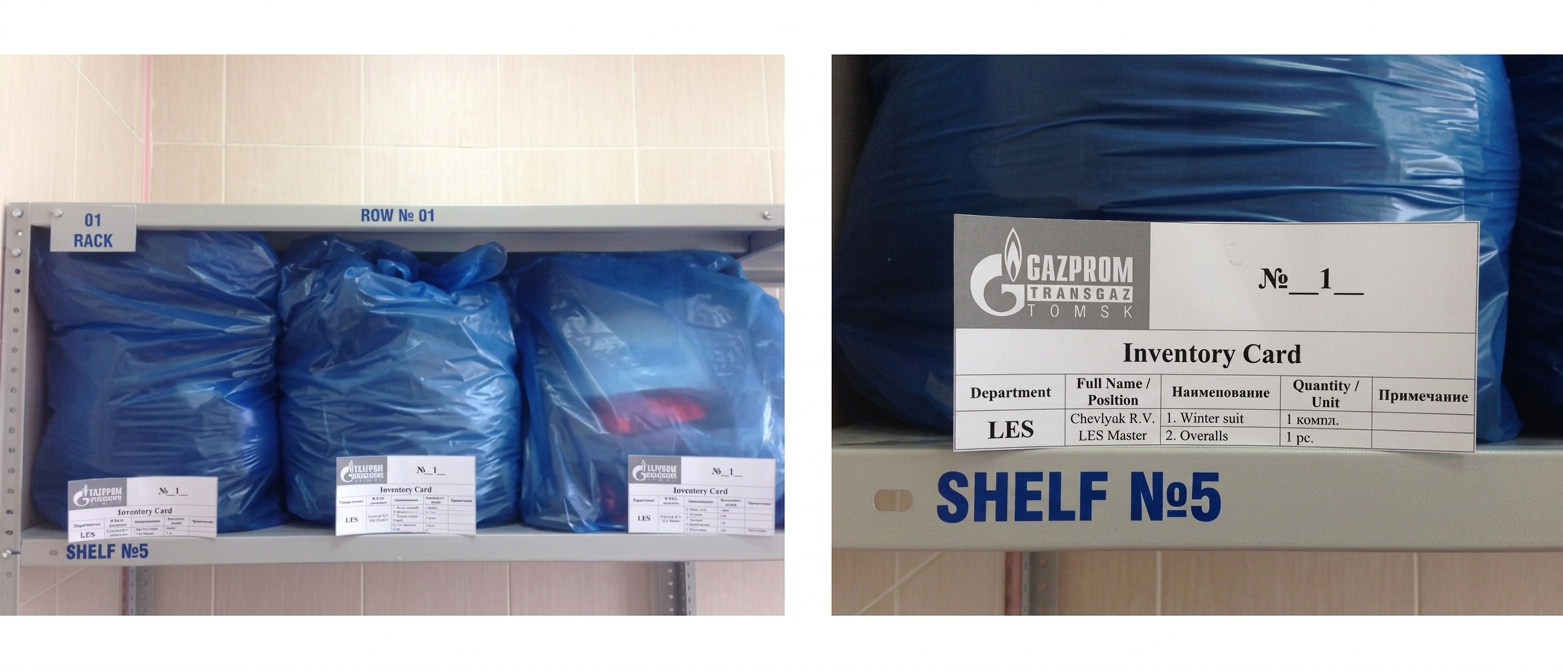 Fig. 3. Storage of winter clothing for the LES unit
As shown in Fig. 3, the storage of certain items of employee workwear has become more convenient. Placing PPE on specially designated shelves with tags has allowed for decluttering and organizing PPE storage in lockers.
An excellent example of 5S implementation is the organization of power lines and data network communications, as shown in Fig. 4. When wires were in a random state, they could cause employee injury. The layout did not meet HSE requirements and made cleaning the room difficult. This shows the implementation of the 5S tool in a "before and after" or "was and is" format.
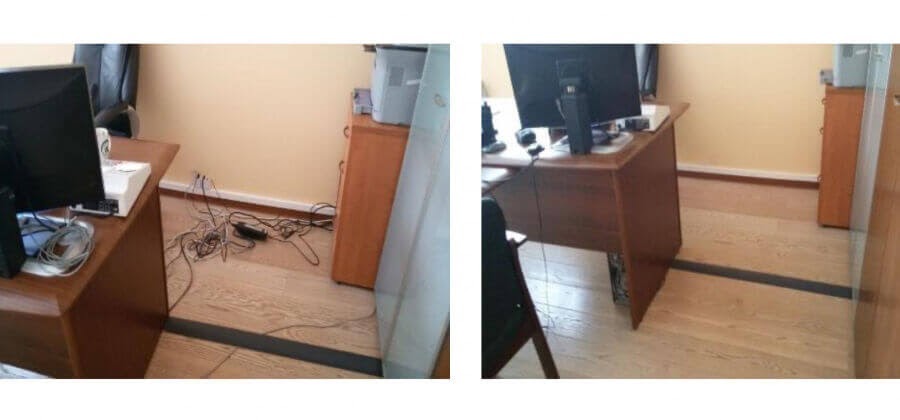 Fig. 4. I&C engineers' office (before and after)
Fig. 5 shows an example of workstation standardization. It involves creating standards for equipment and workstation cleanliness, documented in clear and simple checklists that are filled out and signed by workers. These are posted at workstations for visual adherence to standards.
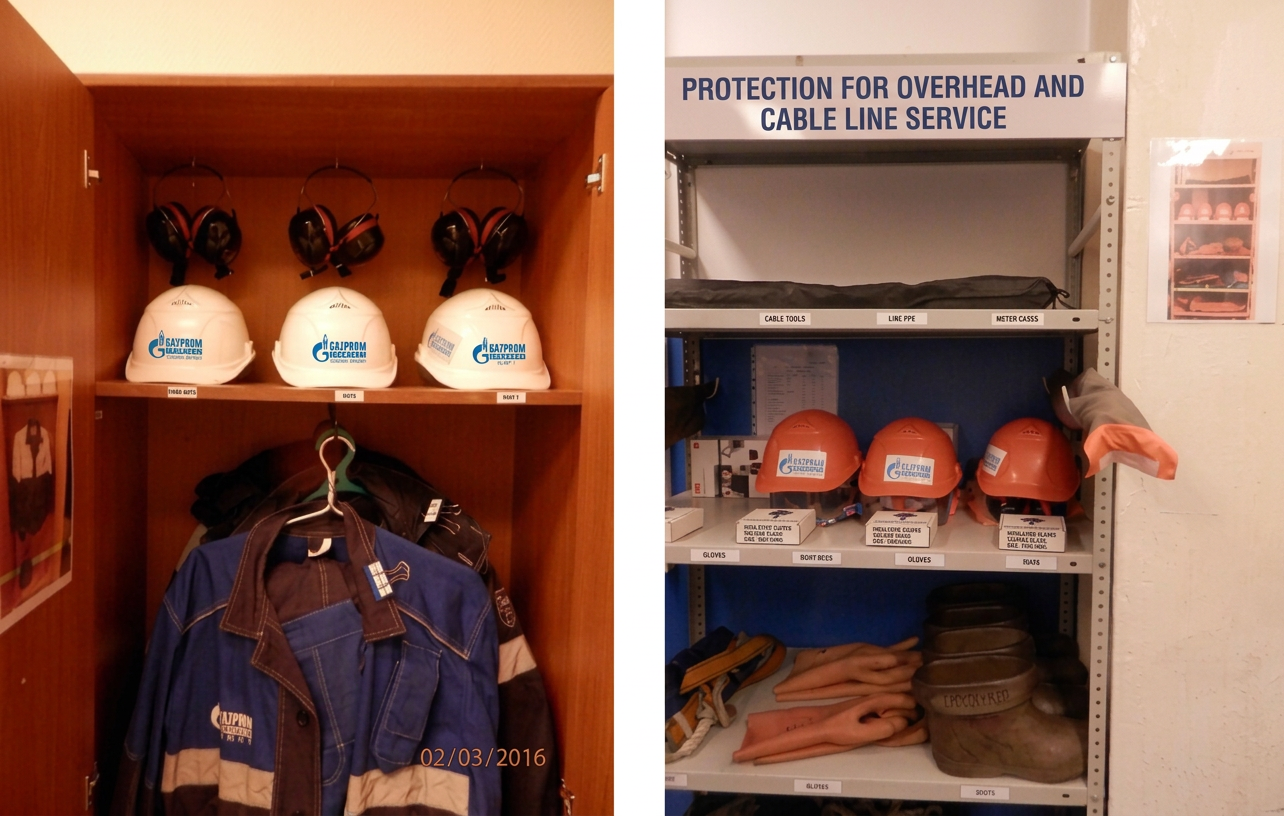
Fig. 5. Workstation standardization
As shown in Fig. 6, additional compartments were installed in the drawers in the workshop, and individual spots for each tool were created using Isopink. This solution made the process of finding the necessary materials and parts as simple as possible.
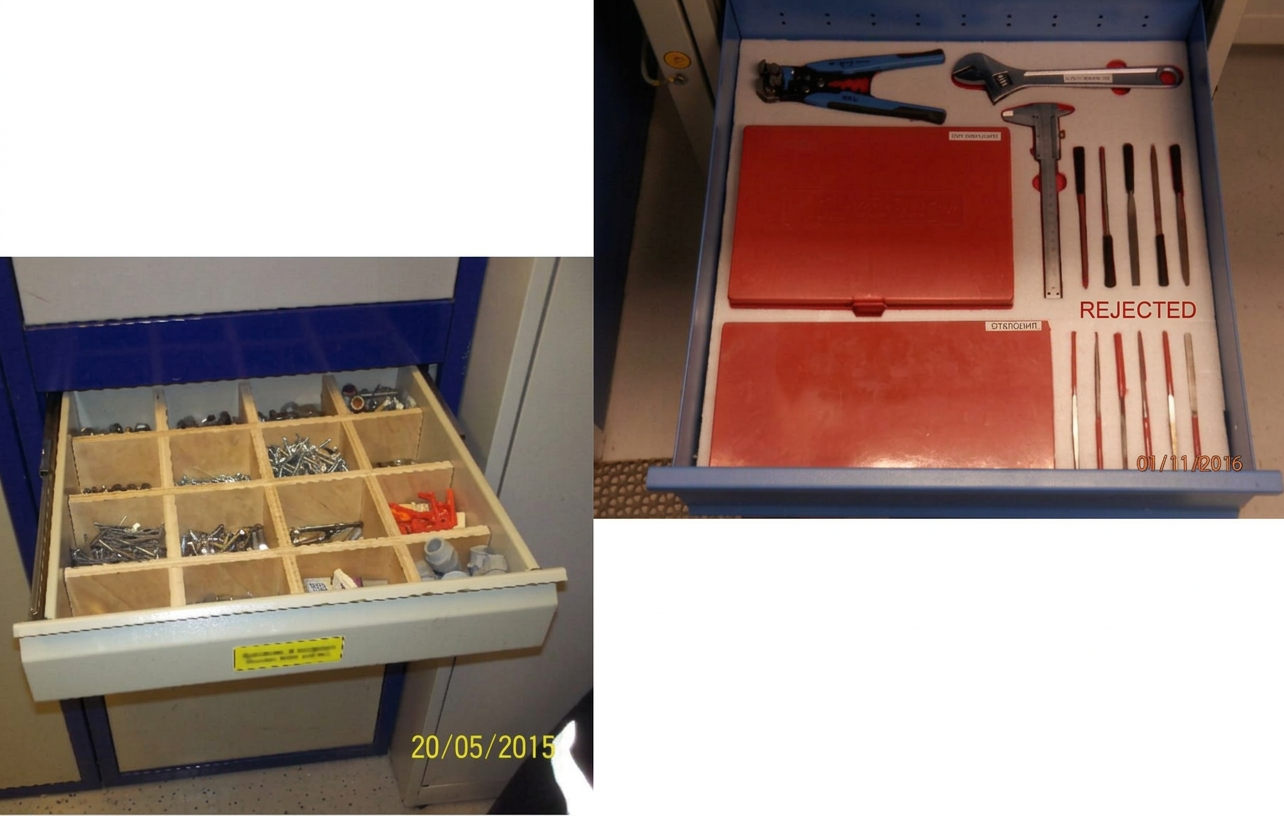
Fig. 6. Tool storage drawers at the EVS and ECP sections
Organizing and maintaining an efficient and safe workspace has become an internal need for the branch employees; it is a value of our team and certainly contributes to raising the level of corporate culture.