While the Lion Slept, the Monkey Ruled the Forest. Part 2
Today we will talk about psychology and our shortcomings.
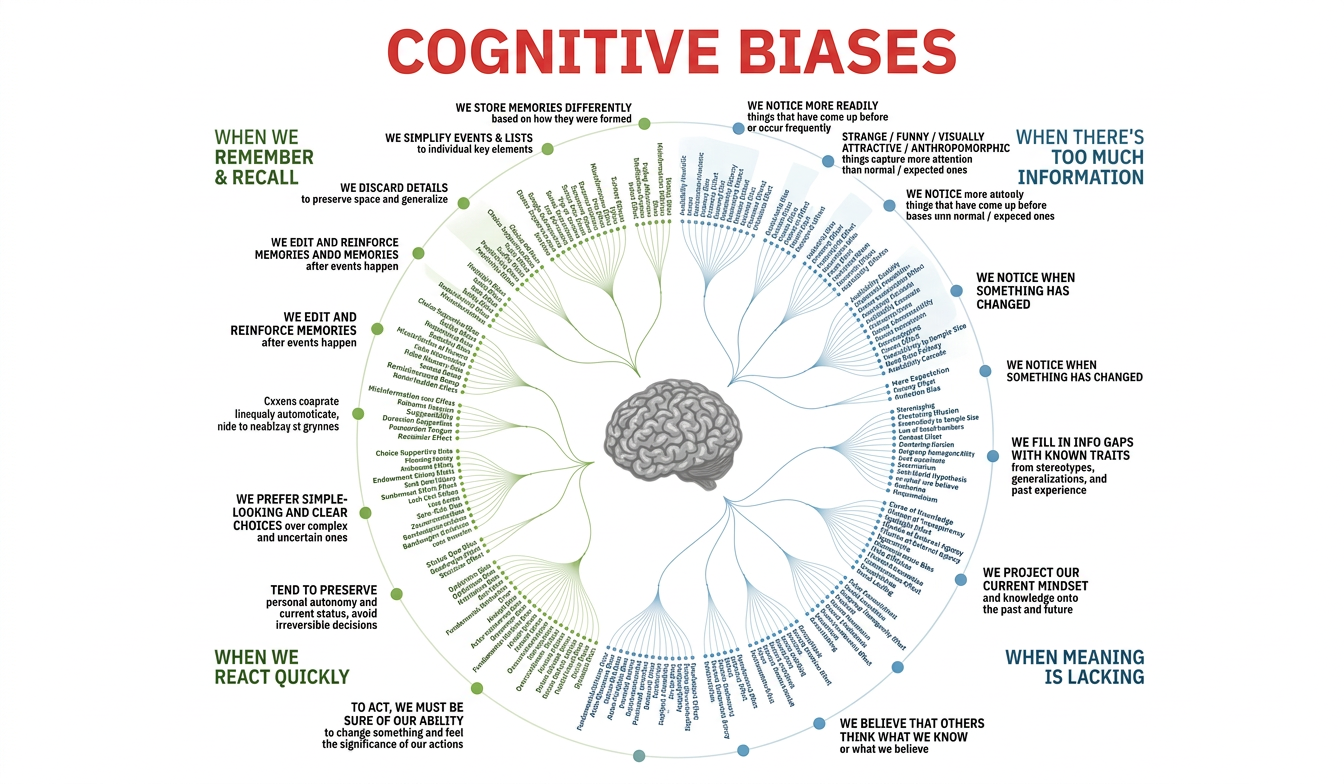
From a psychological perspective, the main barriers are ego and professional identity, where admitting a mistake is perceived as a threat to competence, especially among experts (doctors, pilots, engineers).
The problem of middle management when implementing changes is one of the key difficulties in managing organizational transformations. The bottom line is that middle managers (heads of departments, branches, divisions) often become a bottleneck or even a barrier to successful change implementation, despite the fact that they are formally supposed to be the drivers of these changes.
Our shortcomings:
1. "No proven effectiveness"
- Often, we cannot quantitatively or qualitatively demonstrate that our initiatives (briefings, inspections, training, PPE, procedures) actually reduce injury rates, improve safety culture, or save money.
- Metrics, if they exist, are formal ("conducted 100% of briefings") rather than performance-based ("reduced incidents by 30%").
- There is a lack of feedback from the business: it is unclear how HSE measures affect productivity, morale, and downtime.
- Without an evidence base, HSE is perceived as a "controlling bureaucratic body" rather than a partner in improvement.
Consequence: Management does not see the value, so they do not allocate resources or support initiatives.
2. "We do not fully understand what managers are actually doing and whether there is a demand for our proposals"
We often work in a vacuum, not knowing:
- what operational goals production managers face (reduce downtime? increase output? cut staff?);
- what their actual pain points are: lack of time? KPI pressure? shortage of qualified personnel?
- what is a higher priority for them: safety or meeting the production plan?
As a result, HSE proposals do not solve the real problems of managers. For example:
- we demand a "4-hour evacuation training" when the site manager is dealing with an emergency and line downtime;
- we implement a complex incident reporting system, even though it is more important for the manager to quickly eliminate the root cause rather than fill out forms.
Consequence: HSE "speaks a different language," and its proposals are ignored as "ill-timed."
3. "In the eyes of production, we lack authority"
- Employees and managers do not see HSE professionals as experts who understand real working conditions.
- HSE is often perceived as an "inspector" who only comes with audits and reprimands, rather than offering support.
- There is a lack of trust: "They sit in an office, while we are on the line; they don't understand how things actually work here."
- If an HSE specialist lacks production experience, their advice seems detached from reality.
Consequence: Recommendations are not followed, even if they are reasonable. Without authority, there is no influence.
4. "Their leader does not support the initiatives"
- The shop, site, or production manager is the key leader for the team. If they publicly or silently ignore HSE initiatives, the entire team will follow suit.
- They might say: "This is not a priority," "We have more important things right now," or "This is just a formality."
- Even if top management supports HSE changes, without the engagement of the local leader, they will "die" at the execution level.
Consequence: HSE initiatives fail to scale and do not become embedded in daily practice.
5. "A sad history of interacting with us"
- Previously implemented HSE procedures (logbooks, instructions, checklists) do not work in reality, but are formally "maintained." How many practices have already become just paper?
- People simulate activity: they sign but don't read; they fill out forms but don't use them.
- This creates cynicism and fatigue from "paper safety."
- Any new HSE proposal is immediately perceived as "just another piece of paper."
Consequence: A loss of trust in any initiatives, even if they are useful and practical.
6. "No understanding of how to implement changes"
HSE professionals often:
- skip preparation stages: they fail to create a sense of urgency (Kotter) or "unfreeze" old habits (Lewin);
- impose solutions from the top down without engaging teams;
- ignore the emotional transition (Bridges): people are not ready to "let go" of the old ways;
- fail to use an iterative approach (Lean Change): they implement everything at once without feedback;
- do not plan for reinforcing changes: after a pilot, they forget about it, providing no reinforcement (ADKAR).
As a result, changes are perceived as imposed, provoke resistance, and are quickly rolled back.
Consequence: Even good ideas fail due to an improper implementation process.