#Artificial intelligence
Artificial Intelligence (AI) in occupational health and safety management. Moving to predictive analytics. Cases on neural networks analyzing Big Data, forecasting incidents, and tailoring training.

AI and Video Analytics in HSE: From Idea to In-House Launch
Development and implementation of a video analytics system based on the open-source MoonDream model by the company's internal specialists. The solution analyzes the real-time video stream from cameras, detects violations of PPE and sanitary clothing rules, as well as unauthorized actions with equipment, and automatically sends notifications to responsible persons via a Telegram bot.

Diving into AI: A Brief Guide for Beginners on Creating a Personal Assistant
The article is a step-by-step guide to mastering general-purpose text AI models to create a personal assistant. The material shows how to progress from initial everyday dialogues to solving professional tasks, particularly in the field of occupational health and safety, and to build a personal library of effective prompts. Gradually increasing the complexity of requests allows adapting AI to one's work processes to systematize information and free up time for risk analysis and working with peopl...

How I Created an AI Assistant for Developing HSE Instructions
The author describes personal experience in creating an AI assistant for the automated development of occupational health and safety instructions. The article examines the testing results of various neural networks, the methodology for dividing instructions into invariant and variable parts, as well as the algorithm for forming a knowledge base and a detailed prompt. The material explains how to set up the model to comply with a business style and the requirements of Order of the Ministry of Lab...

Shaping Behavioral Culture Through Digital Projects
Implementation of digital assistants and AI-based systems to monitor driver alertness, ensure safety compliance in electrical installations, and prevent unauthorized riding on conveyors. Integration of aerogas control data to automatically detect discrepancies and record methane concentration exceedances.

AI Assistant in HSE: How to Implement and Use in Practice
Creating specialized AI assistants to automate routine tasks for an HSE specialist. The practice includes developing HSE instructions, selecting PPE issuance standards based on structured knowledge bases, and generating educational animated videos.

Video Analytics and a Modern Approach to HSE and Industrial Safety
The article examines the experience of implementing automated video analytics in electrical installations for continuous monitoring of PPE usage and monitoring of hazardous zones. The material explains how adapting neural networks to production specifics and complying with legal requirements allow transitioning from reactive measures to proactive detection of violations. This helps optimize operator performance, reduce the number of violations, and raise the level of safety culture.

AI in Action: How a Neural Network Prevented a Cardinal Safety Rule Violation at Kola MMC
In the nickel electrolysis shop of Kola MMC, an artificial intelligence system recorded a violation of industrial safety rules for the first time when an employee entered a hazard zone without shutting down the equipment. A neural network with nine video cameras recognized a person in a restricted area, activated an audible alert, and sent notifications to management via email and the Supernika messenger. The article examines this practical case study, as well as the prospects for scaling the te...
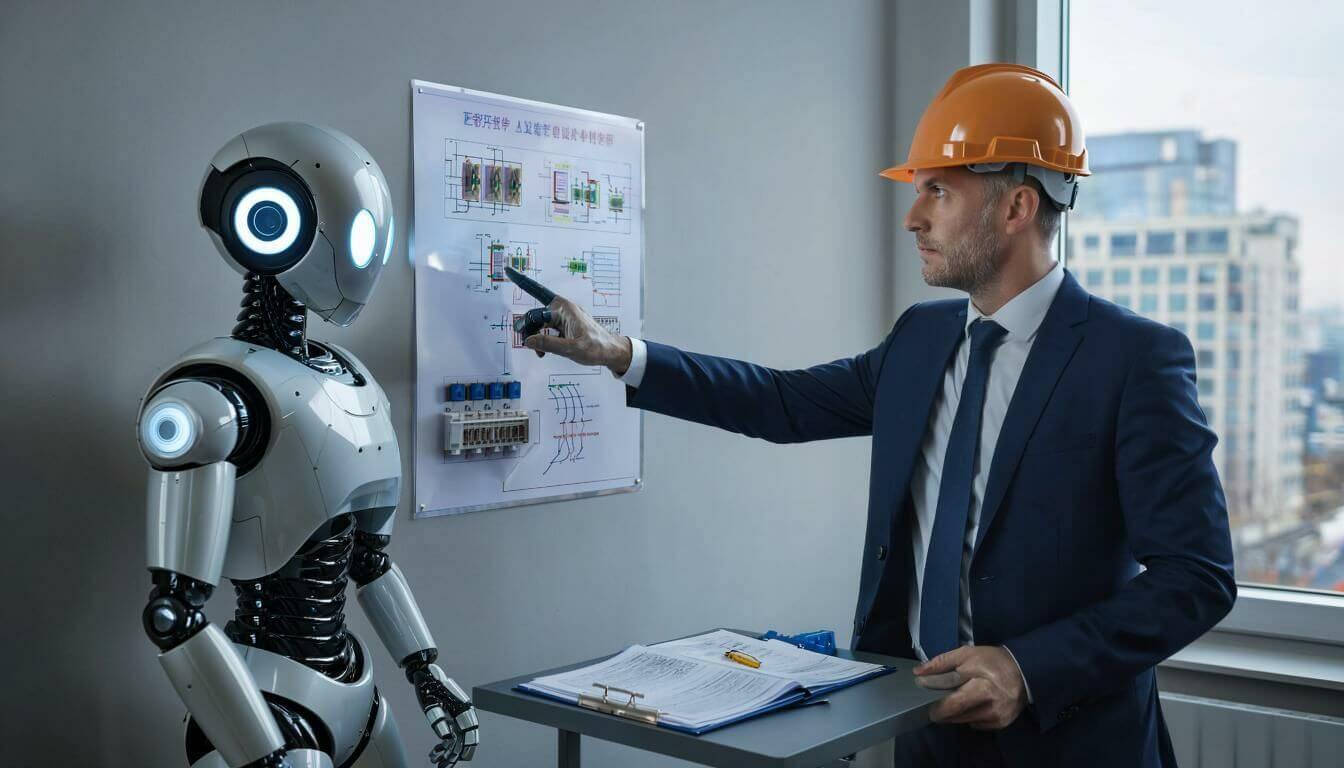
Six Simple Questions That Turn AI from a Dreamer into an Assistant
The article explains how to move from vague AI responses to accurate and predictable results by changing the approach to task formulation. The author shares a six-point checklist that helps to correctly set the goal, role, style, format, constraints, and audience. Using this template allows you to formulate clear instructions for the neural network and get exactly the result that is needed.
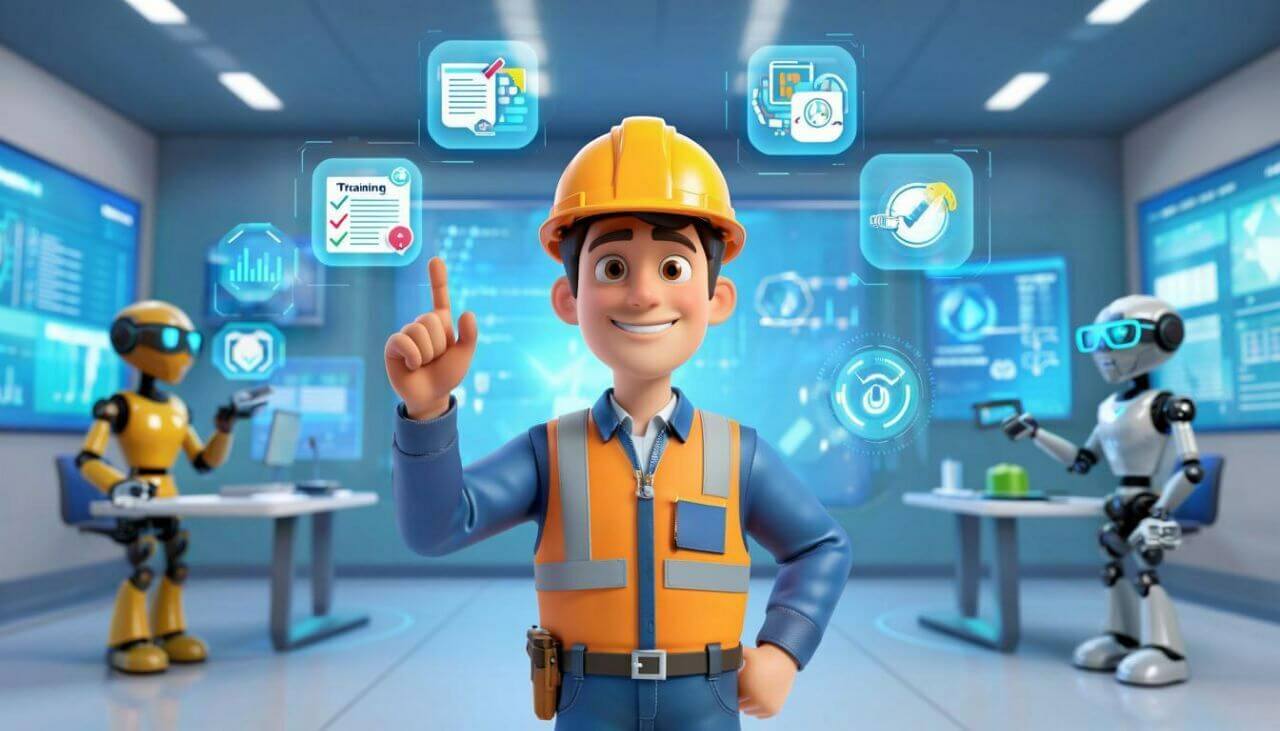
From Digital Literacy to AI Literacy: New Competencies for HSE Professionals
The article discusses the transition from digital literacy to AI literacy in the field of occupational health and safety, transforming the role of the specialist from an operator of ready-made systems into a process architect. By training neural networks to work with documents and designing the logic of their interaction, the specialist frees up time for strategic tasks, deep risk analysis, and working with people. The material reveals how mastery of prompting and domain knowledge allows turning...

"Safety Pill" — Engaging Workers in Risk Analysis Through AI Workplace Visualizations
Engaging workers in occupational risk analysis using personalized workplace images generated by artificial intelligence (Leonardo neural network). The method involves holding short 15-minute meetings in workshops where employees look for intentionally embedded violations in pictures, and then propose their own hazard scenarios via QR forms for generating new images.
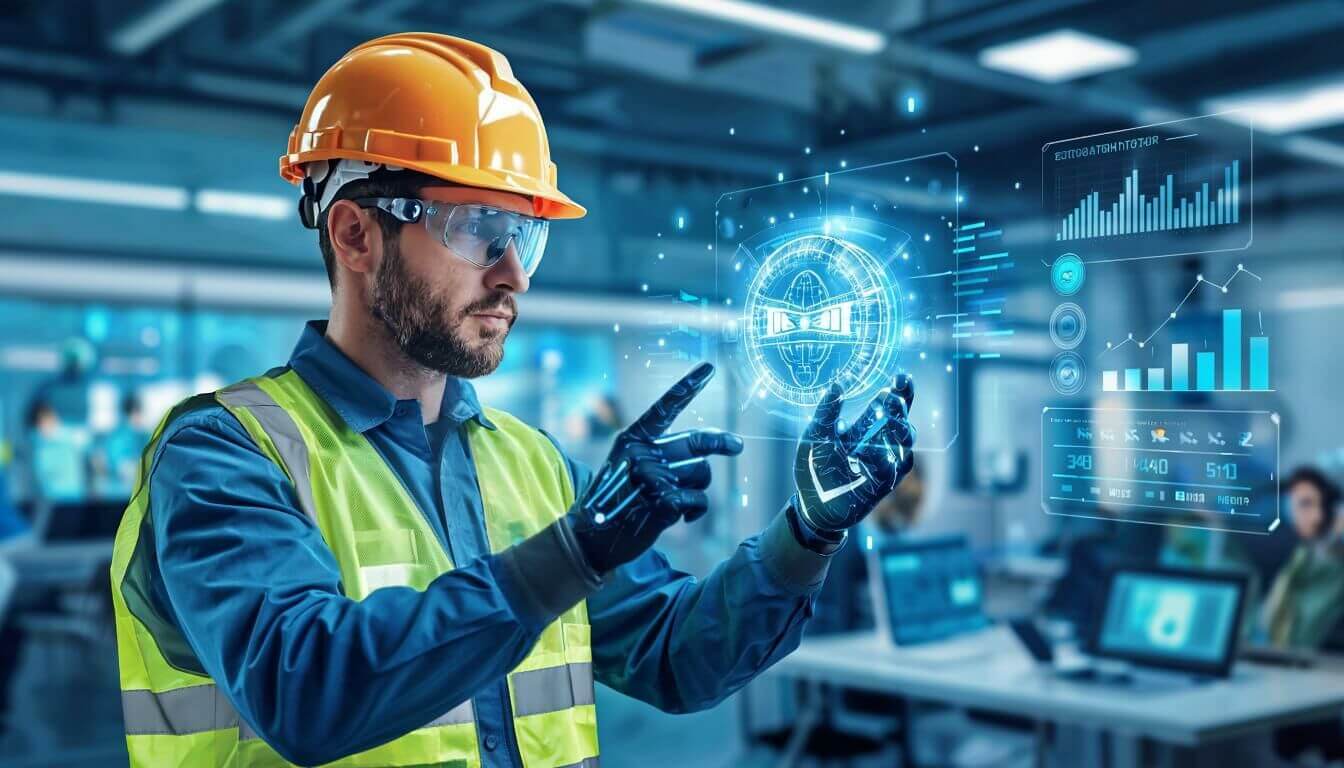
Three Myths About Artificial Intelligence
The article examines common myths that become the main obstacle when implementing artificial intelligence into workflows. The author explains that a neural network does not replace a human, but enhances a specialist if tasks are formulated correctly, the tool is customized to one's needs, and one possesses deep professional knowledge. Analyzing these misconceptions helps form realistic expectations of AI and learn to delegate routine tasks to algorithms.

Effective Road Safety Control for Authorized Company Vehicle Drivers: How to Improve Safety on Russian Roads
Implementation of an AI-based video analytics system to monitor the behavior of fuel truck and company vehicle drivers. The system records critical violations in real time (distraction, falling asleep, unfastened seat belt), warns the driver, and transmits data for analysis and prompt response.