#Injury prevention
Systemic prevention of occupational injuries. Focuses on preventive barriers at hazardous facilities: from physical locks to transforming worker mindset. Includes cases on Near Miss management, behavioral audits, and proactive risk mitigation.
How to Manage Incident and Injury Risks in Rail Operations
A comprehensive occupational risk management and injury prevention system for the industrial railway operations of Apatit (a fleet of over 9,000 railcars and 70 locomotives across more than 480 km of track), which has completely eliminated fatal injuries in rail operations since 2022. The practice combines an overhaul of technical training and contractor engagement (a modular rating system, a training railcar, and non-punitive coaching visits to worksites), hazard zone visualization (projected l...
Risk Navigator: How an IT Tool Saves Lives and Budget
Implementation of the Risk Navigator digital tool (mobile and web application) at PJSC MMK to transition from formalistic violation logging to a systematic risk-based approach engaging shop-floor workers and contractors. The system automates risk criticality assessment based on three-year incident statistics, integrates a safe stop-work procedure, tracks the hazard mitigation lifecycle down to root causes, and includes a two-month verification barrier to prevent the recurrence of critical risks....
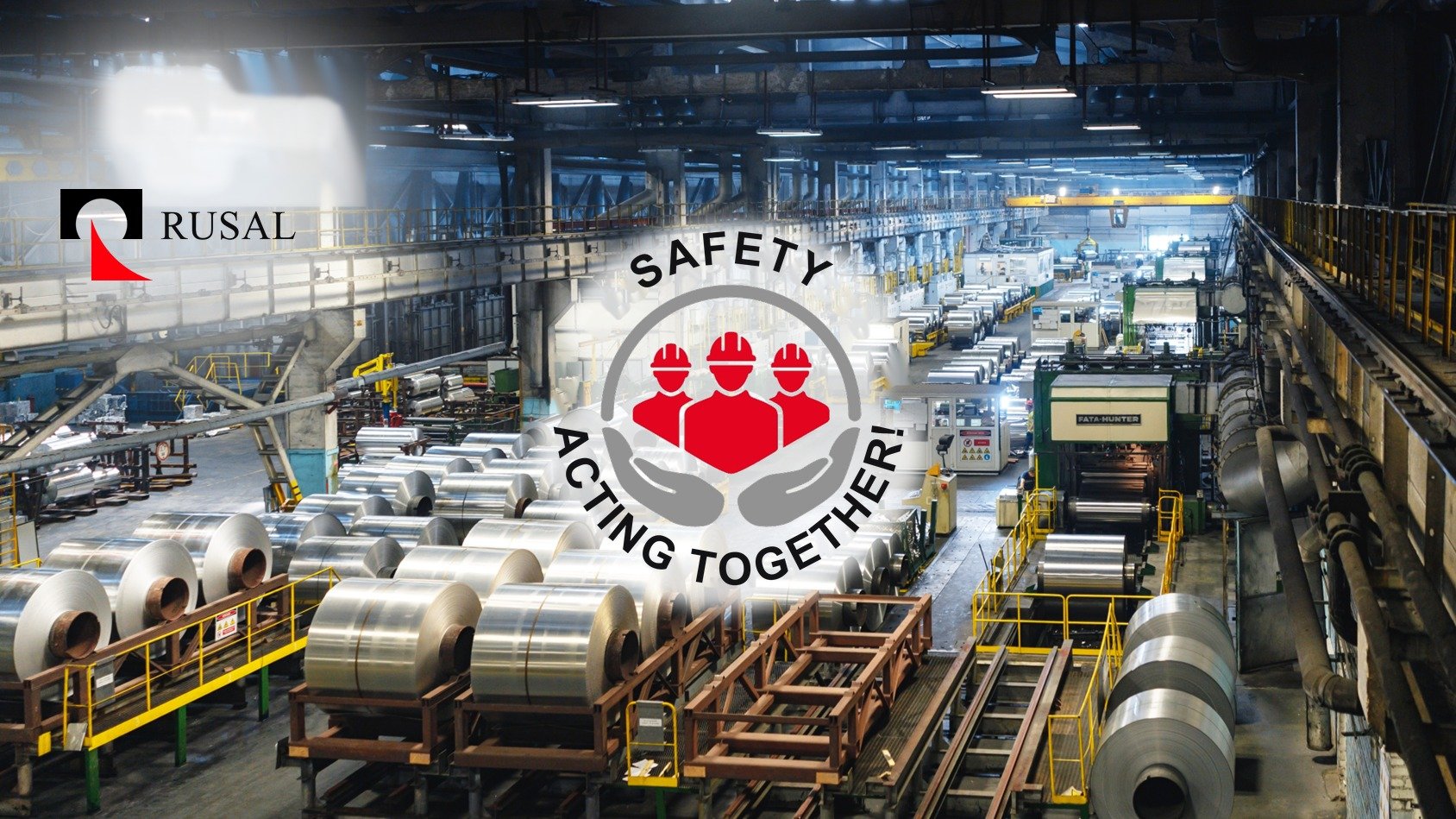
🛡️ Safety: “Safety: Acting Together” (UC RUSAL) — sharing my experience
Experience in building a corporate industrial safety and occupational health management system in the Downstream Division of UC RUSAL: 11 enterprises, about 8 thousand employees, five years of consistent work — and a 7.3-fold reduction in injury frequency, employee engagement of 42%, and a more than 6-fold increase in hazard elimination.

From Video Monitoring to an AI Safety Ecosystem: How to Turn HSE Data into Incident Prevention
Building a comprehensive AI ecosystem for industrial safety using an internal team without hiring professional software developers. The solution includes a computer vision system, a hardware-software module for pupil-reaction fatigue monitoring, automated generation of training materials and standard operating procedures, as well as AI simulators for behavioral audits and knowledge checks.
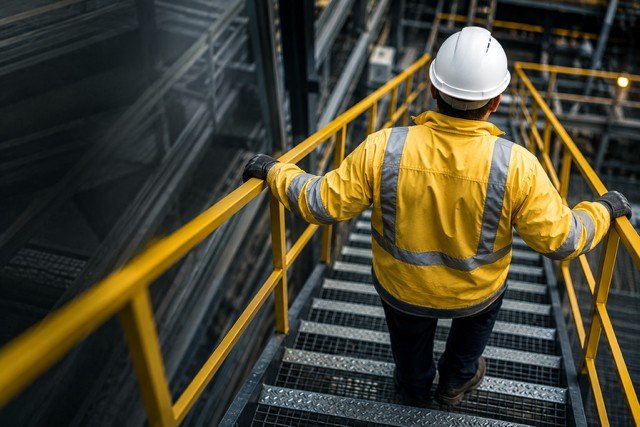
The Handrail: Your Silent Safety Colleague
A handrail on a staircase is not a formality, but a real barrier between a loss of balance and an injury. We analyze fall statistics, regulatory requirements (OSHA), and the experience of major companies (TotalEnergies, Rosneft, Severstal) in embedding the habit of holding onto the handrail into corporate culture.
🛡️ Safety: What Our Resumes Don't Say
What do we write on our resume after major projects? Successes, figures, career growth. But the true result of a leader in occupational health and safety is not just achieved KPIs. It is creating a team where everyone feels supported, and most importantly — people who return home alive and healthy every day.

Holiday Season: 5 Essential Safety Rules for a Memorable and Safe Vacation 🌴☀️
Summer is a time for rest, but carelessness can lead to tragedy. We examine 5 main safety rules on vacation: how to avoid injuries on the water, protect yourself from ticks and heatstroke, as well as protect yourself from theft and traffic accidents while traveling.

AI and Machine Vision in HSE: From Idea to Launch
Implementation of a machine vision system based on the Open Source MoonDream model to monitor PPE usage and sanitary compliance in food production. The system analyzes real-time video streams, sends violation alerts to a Telegram bot for responsible managers within 15 seconds, and is accompanied by a positive employee motivation program without fines.

Cardinal Safety Rules: Placebo or Effective Medicine
Implementation and optimization of Cardinal Safety Rules (CSR) in a large industrial company. Reducing the list to six key rules, strict enforcement (up to dismissal), and analyzing the impact on fatal injury statistics.

From Awareness to Action: The Secret of the Health School's Effectiveness
Implementation of a corporate Health School at remote sites to prevent occupational diseases and reduce cardiovascular risks. The project includes theoretical and practical training for employees on healthy lifestyles, proper nutrition, and physical exercises during their shift.

Prevention of Cardiovascular Diseases
A workplace cardiovascular disease prevention system including occupational risk stratification, a five-level investigation of sudden deaths, and control of medical check-ups via a corporate network linked to VHI. Workers with critical illnesses are moved to light duty with a chance to return after successful treatment.

Mentorship or Investment in the Future
Implementation of a mentorship institution to adapt young specialists and reduce occupational injuries. The practice includes developing measurable adaptation programs, integrating HSE requirements into on-the-job training, and a system of material and non-material motivation for mentors.