#Safety culture
Development of a proactive safety culture in production: mindful leadership, motivation programs, contractor engagement, and addressing the human factor. Transitioning from reactive oversight to integrated risk management practices.
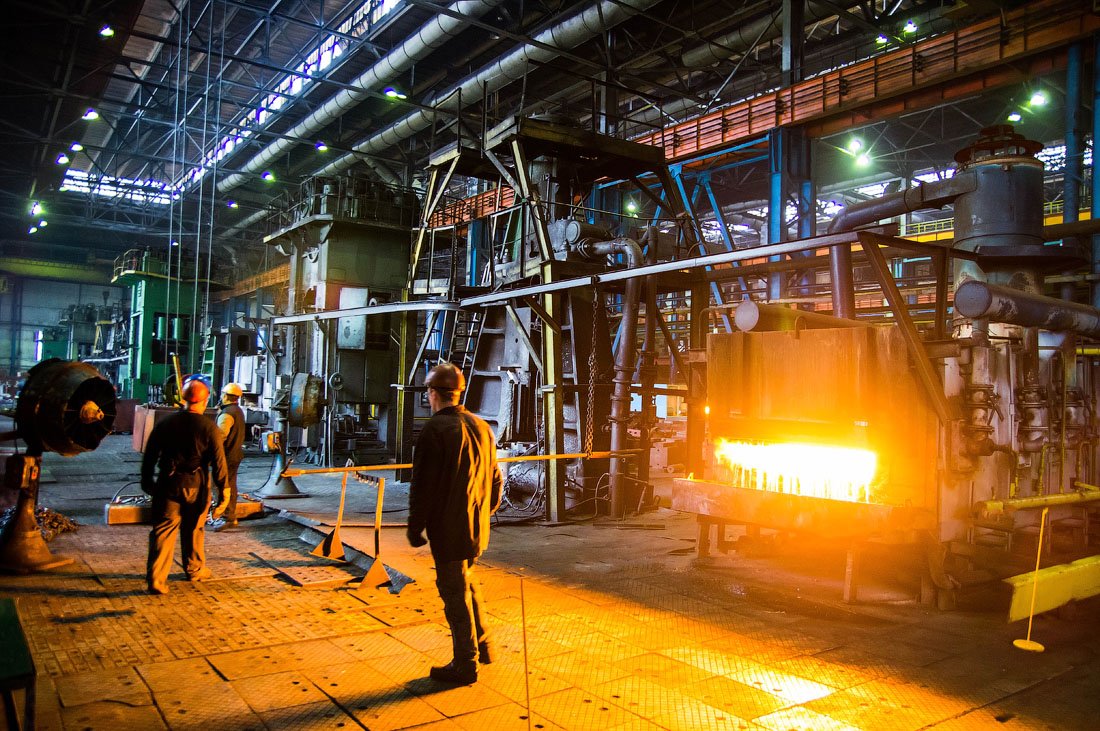
🛡️ Safety: What Our Resumes Don't Say
What do we write on our resume after major projects? Successes, figures, career growth. But the true result of a leader in occupational health and safety is not just achieved KPIs. It is creating a team where everyone feels supported, and most importantly — people who return home alive and healthy every day.
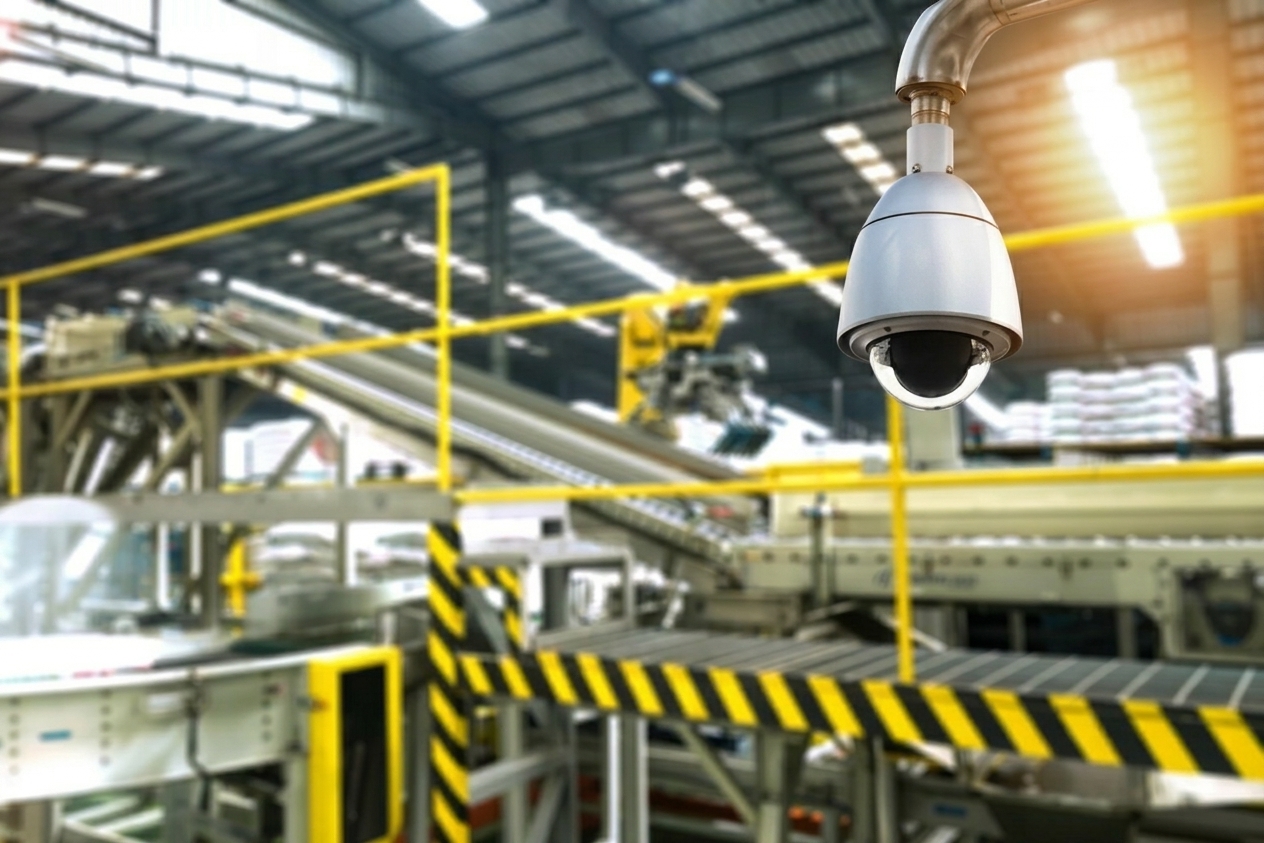
🛡️ Safety: Why a "Paper" Shield and Trendy Innovations Fail to Protect Businesses
Paper logbooks and trendy AI video analytics won't save production if operational discipline is lacking. Find out why digitalization without changing the safety culture is a waste of budget, and how to transform occupational health and safety from a bureaucratic burden into a real cost-reduction tool.

🛡️ Safety: "Smoke on the Water" and How to Clear It
Why in production are reports and KPIs often more important than real safety? We analyze the signs of a corporate culture of simulation and compare it with an 'ownership approach'. Find out how to overcome stagnation on the Bradley Curve and what role leadership and an occupational health and safety specialist play in real change.
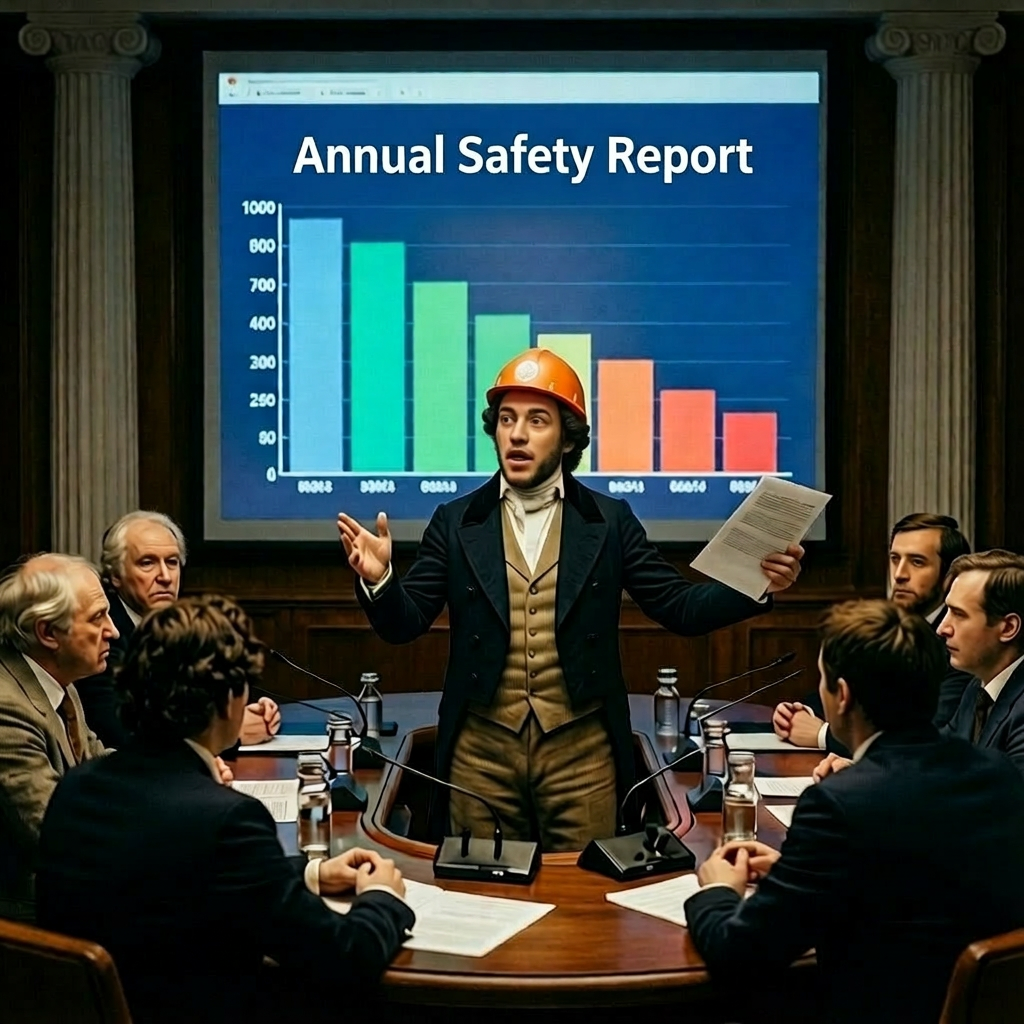
🛡️ Safety: Is the "Polished Reports" Disease Curable?
Why are “polished” reports that hide real problems so popular in the field of occupational health and safety and industrial safety? We examine where this corporate disease comes from, why technologies like AI won't save the situation, and how a leader's personal example can change safety culture.

🛡️ 𝐒𝐚𝐟𝐞𝐭𝐲: Fasten Your Seatbelts
In an economic crisis, industrial companies cut HSE budgets, returning to "paper" safety. Find out why abandoning a safety culture leads to management degradation and how a long-term anti-crisis strategy will help preserve the business.

LTIFR, production plans, ratings, zero budget, and non-monetary motivation: a recipe for a successful solution from Metalloinvest
Implementation of a comprehensive rating system for production departments that combines safety, reliability, and efficiency indicators in equal proportions. The practice is built on non-monetary motivation tools with a zero budget and includes strict process metrics: risk resolution speed, quality of line walks, and the number of mitigated risks per employee. The tool makes production workshop managers the primary owners of safe operations by directly linking HSE indicators to production plan f...


 +7
Opening of the 7th Season of HSE DAYS
Strategic integration of the OHS and industrial safety function into business processes with a transition from reactive management to a proactive safety culture. Application of cross-industry experience, independent consulting, and open dialogue to transform the mindset of employees and managers at all levels.

The Evolution of Leadership Principles and HSE Practices in Mining
Comprehensive safety culture transformation in a mining company with over 15,000 employees. A proactive KPI system was implemented, behavioral audits were digitized via a mobile app, and a unified critical risk management methodology was established. Leadership commitments were cascaded from top management to line supervisors through standardized safety practices.
Safety Culture as a Driver of Operational Excellence
Integrating safety culture into enterprise production processes through Lean manufacturing tools and Total Quality Management (TQM) systems. Transforming the role of line managers from directive management to developmental leadership using behavioral safety audits and Near Miss systems. The practice aims to overcome the conflict between plan fulfillment and safety, reduce production losses, and increase operational efficiency.

Principles of Leadership Development
Implementation of leadership principles and the Human Performance concept into the daily operational activities of an enterprise. The practice includes moving away from a culture of blame in favor of systemic root cause analysis of errors and the formation of psychological safety within the team. The process is aimed at integrating safety standards into the overall business management system and eradicating tolerance for violations to prevent a dangerous "new normal."

Enhancing the HSE Function
Transformation of the HSE function from a supervisory role to that of an internal business partner with deep integration into the work of the technical council. Implementation of the "Safety in Design" principle at the design and equipment procurement stage. Shifting the safety performance evaluation system from lagging metrics (LTIFR) to leading indicators (Near Misses, behavioral audits).


Leadership: Do You Really Need It?
Transformation of safety culture at a large industrial enterprise through the transition from directive control to engaging leadership. Implementation of developmental feedback tools, behavioral safety audits, and Just Culture principles for proactive management of minor injuries and near misses.