#Safety culture
Development of a proactive safety culture in production: mindful leadership, motivation programs, contractor engagement, and addressing the human factor. Transitioning from reactive oversight to integrated risk management practices.

Prequalification: is a stack of documents enough?
86 documents, 42 criteria, 100 points — and still it is no guarantee. The Head of Contractor Safety at Uralkali analyzes what pre-qualification actually screens out, why only 50 out of 80 companies returned the questionnaire, what to do if a contractor is the only one on the market, and why “accidents don't happen every day” is the most honest and most dangerous argument.
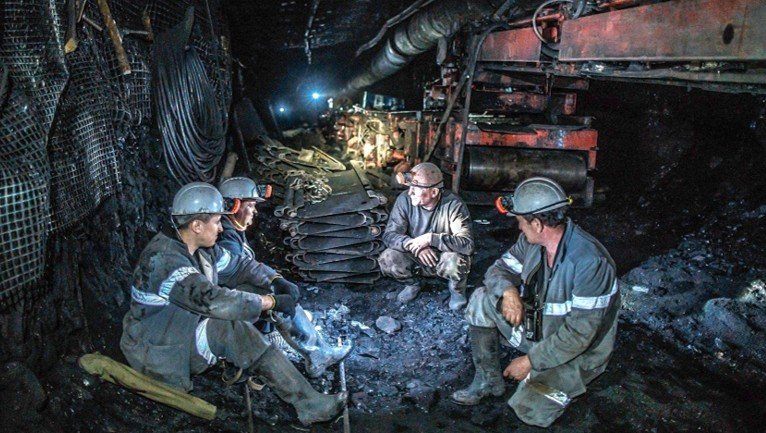
🛡️ Safety: what are you personally ready to do for safety?
Priorities change when production targets are falling behind, and values are compromised when a crisis hits. Why true safety culture begins not with declarations, but with everyone's personal choice — and what you can start doing in your workplace today: personal example, stopping unsafe actions, honest conversation, and searching for solutions instead of culprits.
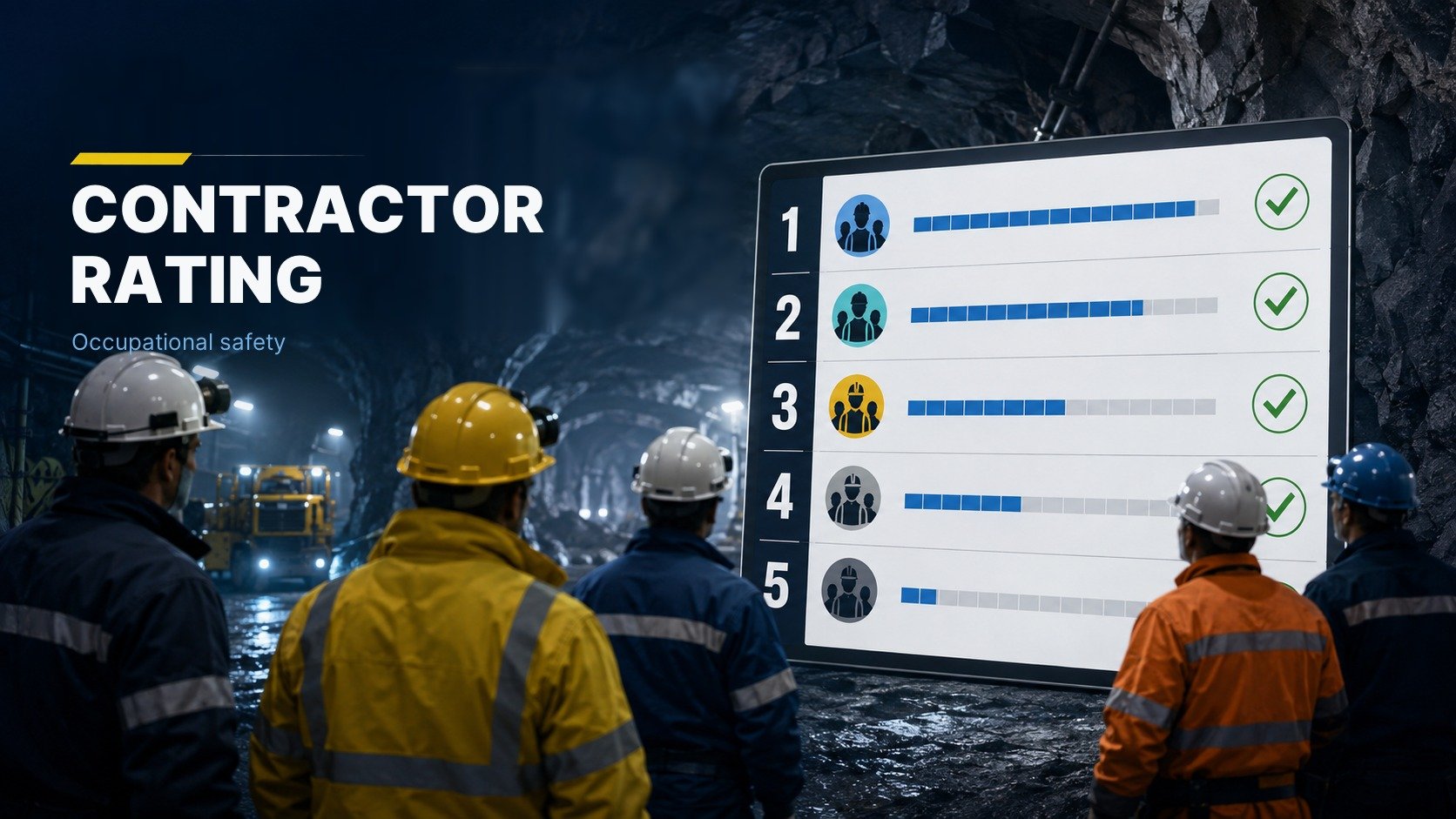
How to turn contractor control into a development system: creating an occupational safety rating
Experience in creating a contractor rating for industrial safety and occupational health and safety: three data sources — work executor assessment, control and preventive inspection, and management system audit — a management cycle instead of one-off inspections and pre-pilot results at a mine: 23 organizations, 36 contracts, growth of the median score of repeat audits from 73 to 91.
🛡️ Safety: “Safety: Acting Together” (UC RUSAL) — sharing my experience
Experience in building a corporate industrial safety and occupational health management system in the Downstream Division of UC RUSAL: 11 enterprises, about 8 thousand employees, five years of consistent work — and a 7.3-fold reduction in injury frequency, employee engagement of 42%, and a more than 6-fold increase in hazard elimination.

🛡️ Safety: When Business Becomes a Game of Fire
Occupational health and safety is not just a formality, but the main indicator of business health. Find out why ignoring safety issues puts a company on the brink of an abyss and how true leadership helps build a reliable corporate culture.

🛡️ Safety: Unpacking the System
Over 30+ years of working in HSE, I have seen a wide variety of 'assemblies' of occupational health and safety and industrial safety management systems. How is an effectively functioning mechanism of such a system structured? Let's unpack this box!

The Handrail: Your Silent Safety Colleague
A handrail on a staircase is not a formality, but a real barrier between a loss of balance and an injury. We analyze fall statistics, regulatory requirements (OSHA), and the experience of major companies (TotalEnergies, Rosneft, Severstal) in embedding the habit of holding onto the handrail into corporate culture.

Contractors are not one-off deals: how to manage safety throughout the entire lifecycle, not just at the entry point
A comprehensive contractor safety management system based on the PDCA cycle and ISO 45001 standard. The practice includes digital pre-qualification using local AI models, on-site technical audits of contractor bases, a transition to shift-based work permits, and the creation of a dynamic rating for long-term motivation of reliable partners.

🛡️Safety: When Crisis Tests Leaders' Resilience
During periods of economic crisis, companies often try to save on safety, considering it secondary. Why this is a fatal mistake for business and how a leader can maintain the achieved level of safety culture, preserving team trust and operational discipline in storm conditions.
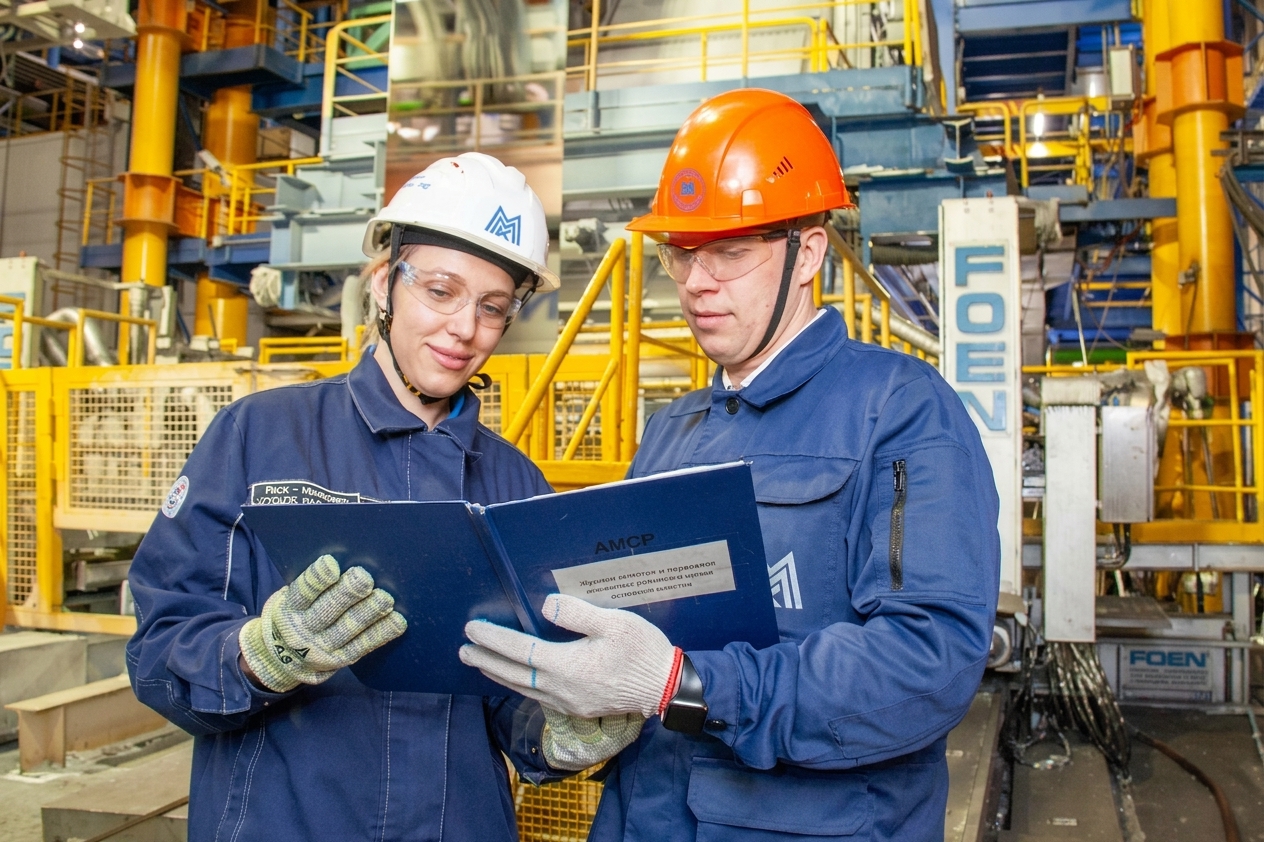
Guardians of Corporate DNA: Why Internal Safety Trainers Are More Effective Than External Experts
Tired of check-the-box briefings? Find out why internal safety trainers are more effective than invited experts. They speak the same language as the team, know real production risks, and turn boring rules into conscious habits, shaping a living safety culture.
A Leader Who Isn't Afraid to Take Off the Tie and Step Into the Worker's Shoes!
Safety culture does not begin with orders, but with personal example and trust. Find out why it is important for a leader to "step into the worker's shoes", how real on-site experience helps identify hidden risks, and why standards alone are no longer enough for effective occupational health and safety.
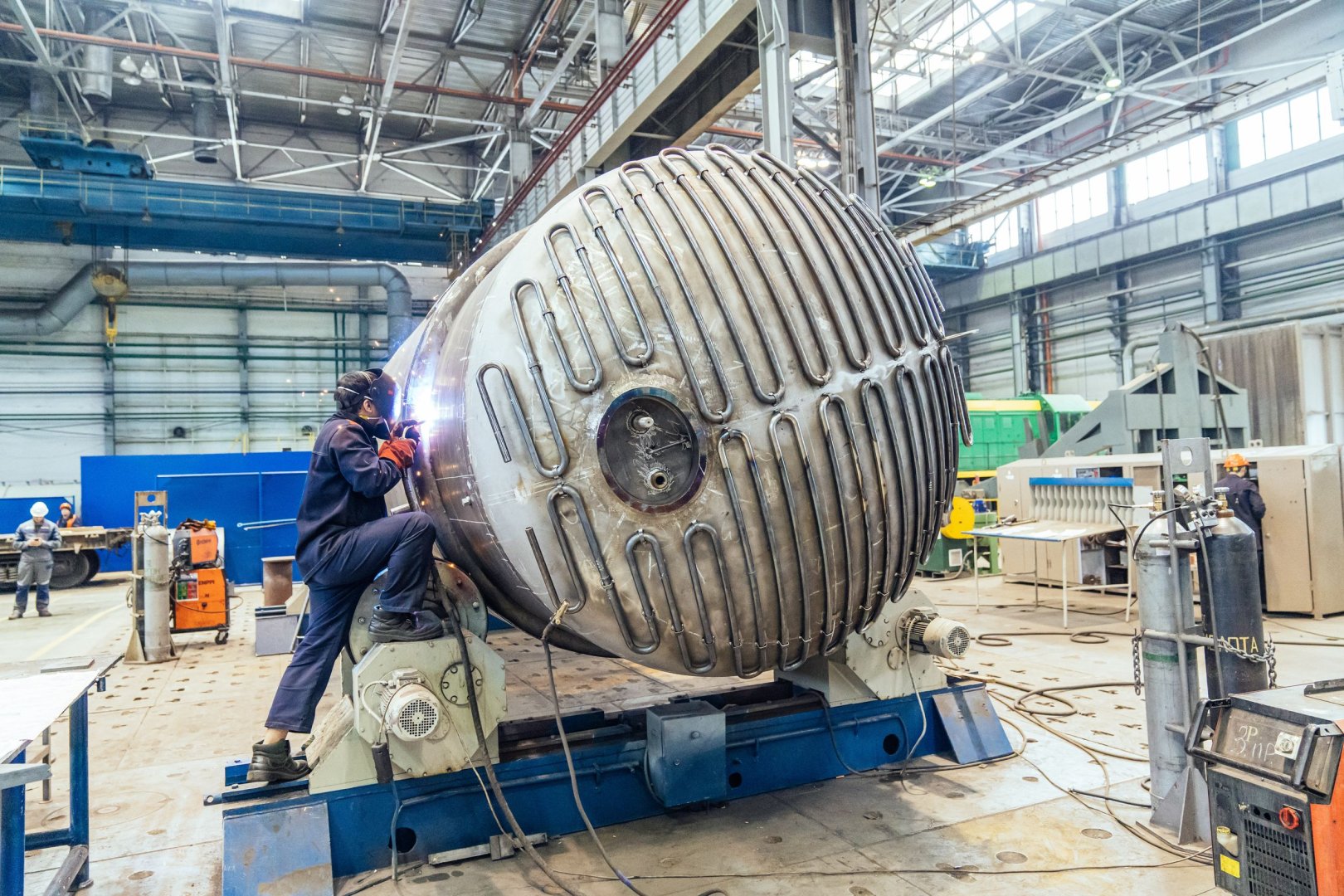
🛡️ Safety: Where Does It Begin and End?
Workplace safety is not a one-time check mark after an audit, but a continuous process of daily decisions made by every employee. Find out why a real safety culture is formed at the very top and how corporate priorities force people to “cut corners”.