#Safety culture
Development of a proactive safety culture in production: mindful leadership, motivation programs, contractor engagement, and addressing the human factor. Transitioning from reactive oversight to integrated risk management practices.

International ISO 45001 Standard: Challenges and Opportunities
The transition of a large manufacturing company to the international ISO 45001 standard using multi-site certification. Practices include implementing a process approach, assessing business risks, creating HSE working committees, and a non-financial employee motivation system.

Safety Leadership at Shell. Examples of Leadership Development in Joint Ventures
Transitioning from strict injury KPIs to proactive indicators and the concepts of Human Performance and Learning Mindset. Implementing a culture of psychological safety for open discussion of incidents and errors, as well as translating safety standards in joint ventures through boards of directors.

Case-Based Approach to Risk Assessment and Management
A case-based approach to risk assessment using facilitation sessions, brainstorming, and gamified formats (quests) to engage cross-functional teams and contractors. The method aims to develop employees' skills in independently identifying hazards both in and outside the workplace.


Obstacles on the Path to Goal Zero. Experience in Developing a Safe Production Culture at the Salym Group of Fields
A comprehensive program for transforming the safe production culture in an oil and gas company, aimed at transitioning from directive control to conscious partnership. It includes implementing emotionally engaging introductory sessions, an institute of internal trainers, a promise matrix, intervention days, and a focus on analyzing the behavioral causes of incidents.

Contractor Management
A contractor management system including strict contractual requirements, replacing fines with mandatory training for violators at the contractor's expense, and company rating. Automated terminals for pre-shift testing and a supervising institution for on-site control have been implemented.

Safe Work Culture
Implementation of a multilevel HSE control system (from 3 to 5 stages) and a methodology for identifying hazardous situations using visual tools (safety crosses). Organization of continuous training through a corporate portal and personnel motivation via competitions and a reward/penalty system.

Leadership Safety Audit
Implementing a system of leadership (behavioral) safety audits based on open dialogue and the Vision Zero concept. The practice includes using anonymous stop-cards, evaluating effectiveness via the international 5Z system, and training managers in psychological interaction skills with employees without formalism.

Development and Improvement of HSE Training and Personnel Development Tools
A systematic approach to HSE training based on the Deming cycle (PDCA). It includes combining face-to-face and distance formats, developing internal trainers and mentoring, and post-training effectiveness evaluation involving line managers.

Improving Safety Culture Based on a New HR Strategy
A methodology for a personal conscious occupational safety system aimed at aligning employees' personal goals with enterprise objectives. The approach involves changing the role of the HSE department, removing specialists from line manager subordination, and using proactive KPIs to evaluate their effectiveness.

Behavioral Audit Training via Messenger
Distance learning for conducting behavioral safety audits (BSA) via messengers (WhatsApp). The program is designed for 6 weeks and includes microlearning, gamification, and practical training of dialogue skills in difficult situations through audio calls with consultants.


10 Steps to a Safe Warehouse
A ten-step model for developing a safe environment in finished goods warehouses under the corporate WISE program. Features 13 basic technical standards, LOTOTO procedure for heavy trucks, contractor rating system, remote audits via AR glasses, and dynamic risk assessment.
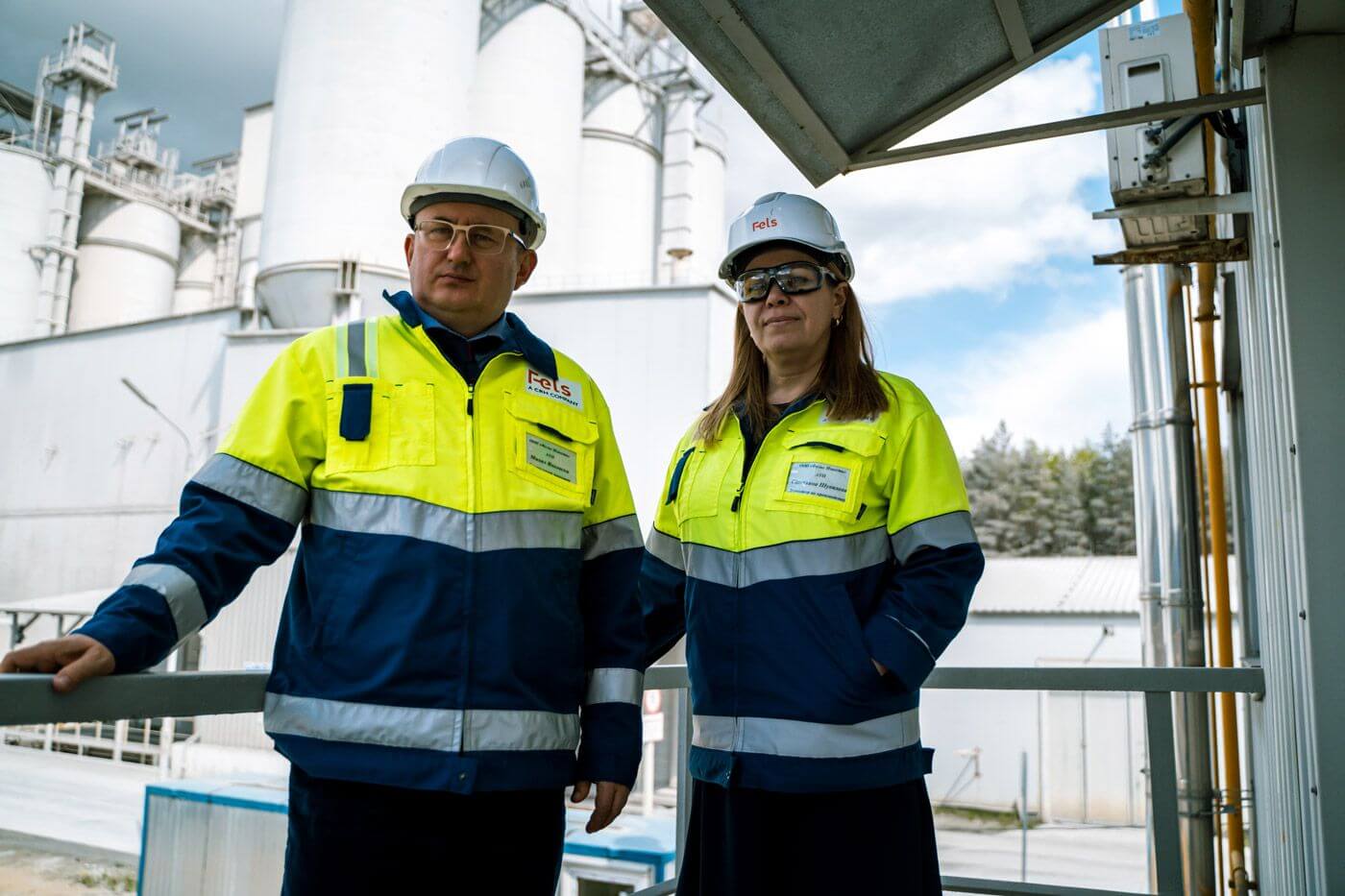
Two thousand days without occupational accidents. How to achieve such a result?
In an interview for the magazine "Occupational Health and Safety and Fire Safety", the management of Fels shares its experience of achieving 2000 days without industrial accidents. General Director Michal Jankowski and Chief Operating Officer Svetlana Shuvalova explain how the involvement of all workers — from a rank-and-file employee to the top executive of the company — allows building a reliable safety system. The article tells how to adapt the Western approach to the Russian occupational hea...