#Safety culture
Development of a proactive safety culture in production: mindful leadership, motivation programs, contractor engagement, and addressing the human factor. Transitioning from reactive oversight to integrated risk management practices.

Leadership in Developing a Safety Culture
Comprehensive transformation of safety culture at PJSC NLMK through the personal involvement of top management, digitalization of HSE processes, and implementation of proactive tools. The practice includes automation of safety contacts, electronic permits-to-work, mobile applications for recording hazardous conditions, as well as motivation programs for employees and contractors.

Incident Communication Practices from All Production Sites
A multilevel system for communication and employee engagement in HSE. It includes global knowledge sharing, regular local events (Safety Days, HSE hours), new format visual propaganda (floor visualization), and a Behavior-Based Safety (BBS) program involving workers and contractors.
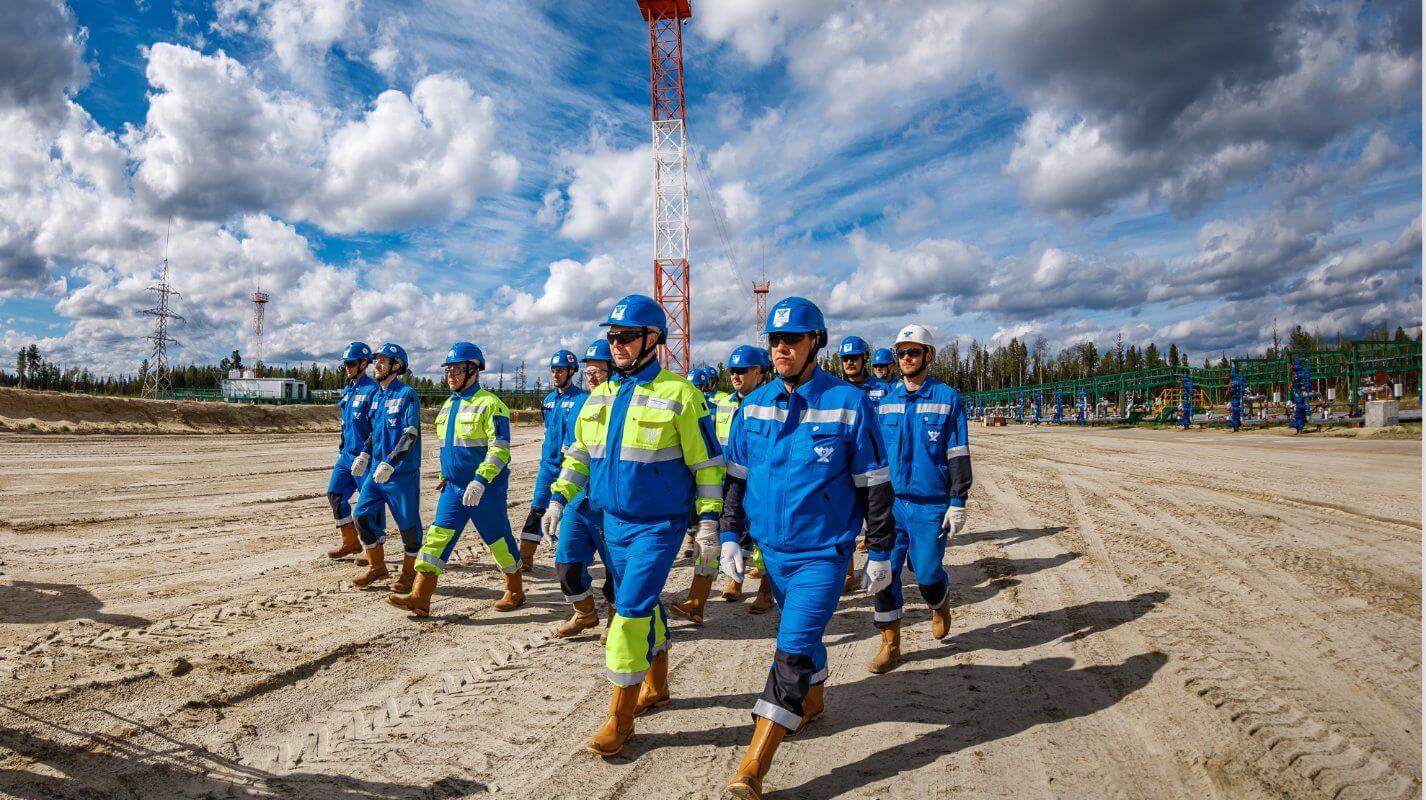
Salym Petroleum Development summarizes the results of safety culture development
Salym Petroleum Development summarizes the results of developing a safe production culture involving employees and contractors at the Salym group of fields. As a result of this work, SPD achieved a record in 16 years of activity by working 542 days without lost-time incidents and reducing the LTI frequency in 2019 to 0.1. The article presents the company's experience in fostering a culture of care and mutual support, as well as videos and webinars from the HSE DAYS project.

Motivation for Change at Different Levels
Transitioning from external motivation to conscious safe behavior through the analysis of 16 causes of violations. Integrating safety culture metrics into quarterly contractor KPIs to engage their management.

Developing Line Managers' HSE Competencies
Transforming the role of a line manager (shift supervisor) from a formal executor to an HSE leader by creating a competency profile. An assessment system (KPIs, 360-degree feedback, certification) and practical skill development tools (business games, mentoring, rotation) were implemented and integrated into the enterprise's existing HR matrix.

Evolution of Indicators and the Safe Behavior Development System
Transformation of the HSE management system in a 250,000-employee corporation through the Vision Zero concept. Transition from reactive metrics (LTIFR) to proactive KPIs that stimulate conscious safe behavior and employee engagement.

Effective Goal Setting for Measuring Results When Transitioning from a Reactive to a Proactive Level
A systematic approach to transforming safety culture by changing the KPI set based on the Bradley curve. The practice includes a phased transition from reactive to proactive metrics, focusing on the top 3 critical areas and using the PDCA cycle to evaluate effectiveness.

Incident Registration and Investigation Practices
Transforming the incident investigation process by involving top management and line managers. Implementing an independent incident notification line, abandoning punishment for errors in favor of penalizing concealment, and using an IT portal to monitor corrective actions and work with lessons learned.

Effective Enterprise Management Through Occupational Safety Management
The magazine "Occupational Safety Culture" presented an interview with an occupational health and safety expert with 25 years of practical experience and ambassador of the HSE DAYS project, Serik Mazhkenov. The article examines effective approaches to enterprise management in the era of Industry 4.0, the reality of the Zero Injury idea, and the components of successfully achieving the "Zero" goal. In addition to the interview, a webinar is offered on improving safety culture based on a new perso...

The Leader and Their Team - How to Lead the Way
Application of the value-goal leadership model and practical employee engagement tools (HIPPO potential and Hersey-Blanchard situational model) to shape a safety culture. The approach aims to identify and develop leadership qualities in employees by aligning personal values with organizational goals.

Development of Occupational Safety Culture
Transformation of the HSE management system at a historical cement production facility. Implementation of 12 life-saving rules proposed by workers, a penalty-free micro-injury investigation procedure, "What If" risk assessment, and digital checklists for safety control.

Risk Management Project
A large-scale transformation of the risk management system in a metallurgical company, including the implementation of a mobile app for hazard recording by workers, replacing formal briefings with Dynamic Risk Assessment (DRA) before starting work, and creating an institute of internal risk managers. The project aims to transition from formal rule compliance to conscious risk management at all levels, from top management to line personnel, integrating proactive indicators into managers' KPIs.