#Safety culture
Development of a proactive safety culture in production: mindful leadership, motivation programs, contractor engagement, and addressing the human factor. Transitioning from reactive oversight to integrated risk management practices.

The Logic of a Manager and a Leader
The article is devoted to comparing the roles of a manager and a leader, distinguishing administrative functions from the specifics of leadership behavior. Based on comparative examples, historical experience, and business data, the author analyzes the key qualities of a leader — from intuition and readiness to take responsibility to the ability to foster a creative environment. The text helps to understand the differences between official position and real leadership, which is earned through a...

Four Simple Solutions to Improve Communication with Workers
The article describes four practical approaches to informing and training employees in the field of occupational health and safety. The author shares experience in conducting five-minute safety briefings, joint safety instructions, walk-throughs, and sessions with feedback from workers. These solutions help identify the causes of violations, establish communication with staff, and control compliance with safety requirements more effectively.

"Safety is Everyone's Choice": How Social Networks Help Build a Safety Culture
The article describes the experience of Vorkuta LPUMG in using the social network VKontakte to develop an occupational health and safety culture through the weekly column 'Safety is Everyone's Choice'. The project, based on the principle of peer-to-peer learning, helped go beyond formal information sharing and raise employees' knowledge of safety requirements. The material shows how modern communication tools complement traditional working methods and help convey critically important rules.

HSE Leadership: Why Leaders Set the Safety Culture
The article explains why a sustainable culture of industrial safety is formed through the personal example and practical actions of a leader, rather than solely through regulations and standards. The text describes key elements of leadership — from regular dialogue with the team and supporting positive behavior to effective risk management and analyzing the causes of incidents without searching for someone to blame. The material shows how active management involvement helps employees shift from...

GARANT – the core principle of operational control!
The article is dedicated to improving the production control system through the transition from eliminating deviations to their preventive prevention and the implementation of a barrier risk management model. The author explains key safety principles through the acronym GARANT, revealing the roles of managers, the procedure of active control, and the systemic analysis of the causes of non-conformities. The material shows how a comprehensive approach prevents hazardous situations, reduces occupat...

Mentorship or Investment in the Future
Implementation of a mentorship institution to adapt young specialists and reduce occupational injuries. The practice includes developing measurable adaptation programs, integrating HSE requirements into on-the-job training, and a system of material and non-material motivation for mentors.

Collective Motivation System
Implementation of a collective motivation system for HSE leadership with a complete rejection of fines. Structural departments are evaluated using seven key indicators (including micro-injury registration, safety cards, and warning coupons), calculating a consolidated safety coefficient and awarding quarterly bonuses to the best teams.

Safety Practices During Scheduled Preventive Maintenance
A comprehensive approach to safety management during scheduled preventive maintenance (SPM), including preventive practical training ("Safety Weeks") and weekly mass gatherings ("Safety Assemblies"). The practice aims to engage regular staff and contractors, increase risk awareness, and build a zero-injury culture through visual training, public recognition, and a feedback system.

Cross-Inspections as a Tool for Training and Experience Sharing
Implementation of cross-inspections by specialists from adjacent departments to overcome the "blurred vision" effect. The practice includes adapting checklists to site specifics, mandatory rotation of auditors, and their financial motivation for reducing the number of remarks and promptly eliminating violations.
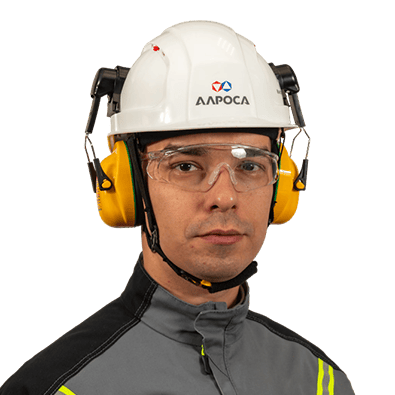
Personnel Involvement in HSE Management
The article is devoted to the safety system at ALROSA, based on employee engagement, the work of occupational health and safety representatives, and leadership of managers. The material examines public control mechanisms, the procedure for conducting working conditions inspections, and ways to contact the single hotline. Readers will learn how the Company motivates personnel for their contribution to safety and what measures are taken based on the results of reviewing employee appeals.

Manager's Work Standard – Four Practices, One HSE Document
Combining disparate safety tools (assignment system, production control, behavioral audits, and HSE committees) into a single Manager's Work Standard. Implementation of formalized assignment algorithms, targeted checklists based on Bowtie risk assessment, and new quality metrics to evaluate communication and audit effectiveness.

HSE Management System Audit
Implementation of an internal HSE audit system based on 12 key elements and the Bradley Curve model. Integration of audit results into the line managers' motivation system to increase safety culture maturity and reduce injuries.