Building an HSE Technical Training System from Scratch at PJSC SIBUR Holding
In this publication, I want to share a practical case study of the process of building an HSE technical training system. I had the privilege of being directly involved in its design, development, implementation, and transition to the operational stage. Below, I will outline the general aspects of establishing such training.
In matters of safety, PJSC SIBUR Holding strives to achieve managed zero injuries and accidents. Despite the Company's significant progress in this direction, management seeks to understand how it can continue to improve safety at the Holding's enterprises. Among other things, the Company developed an understanding that achieving corporate HSE goals requires high-quality practical training in safe work performance.
Logically, attention was turned to mandatory legislative training. It was determined that while it covers theoretical requirements, it does not meet the "skill-based" needs. For several reasons, it was decided not to adapt mandatory legislative training to meet the Company's skill requirements, but rather to create a separate technical training system. Given that every employee's time is highly valuable, the designed training had to be as effective as possible in the shortest possible time. It should be noted that the Company already had locations with material and technical resources for occasional training, but they did not meet current challenges.
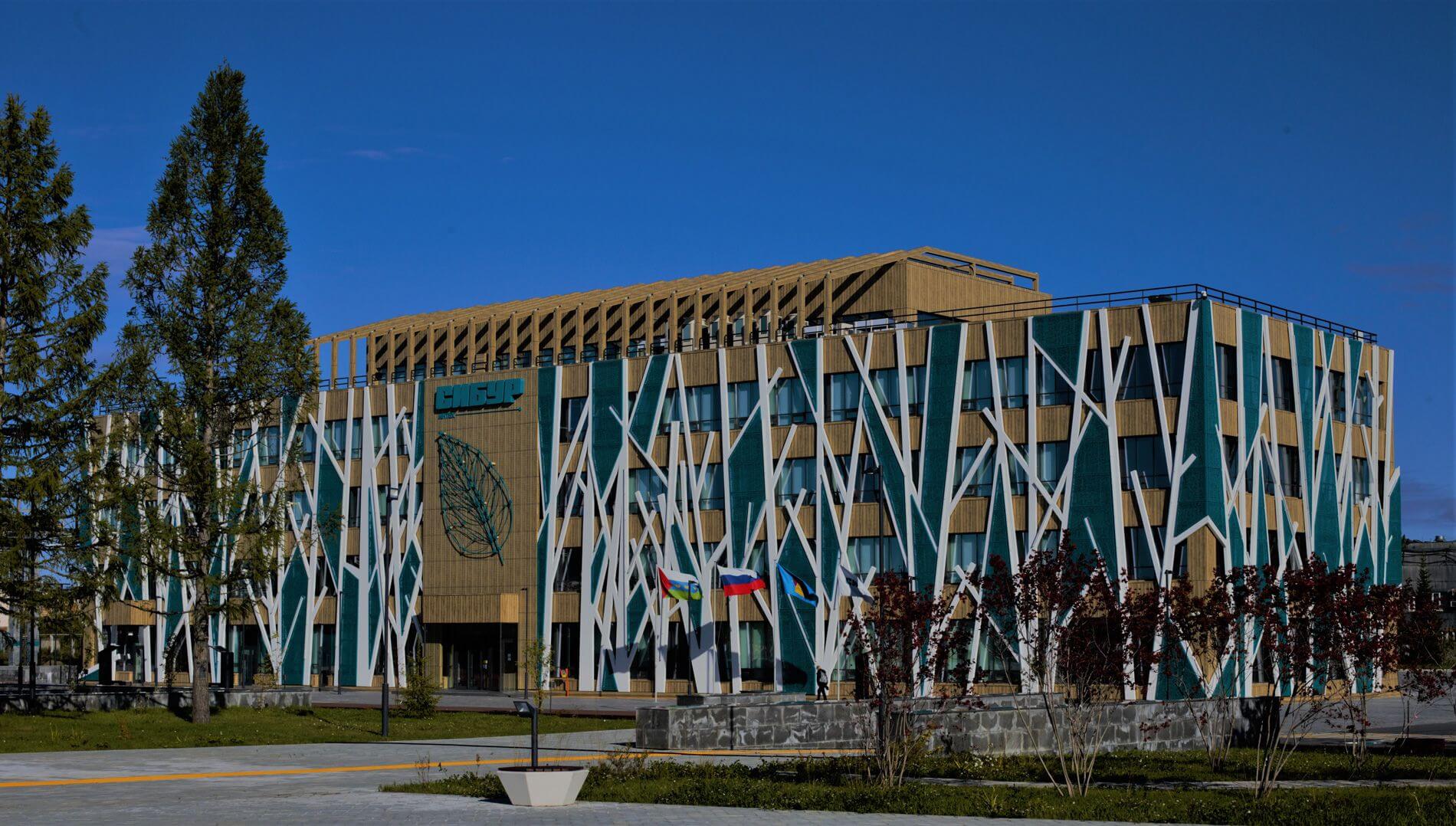
Based on the analysis of these prerequisites, it was decided to build an in-house HSE technical training system from scratch, aimed at achieving the Company's corporate goals. To this end, it was decided to create specialized classrooms in the SIBURINTEH Center for the Development of Engineering and Technical Expertise, which was under construction in Tobolsk (SIBURINTEH).
With a clear task and the desire to build one of the best HSE technical training systems, an analysis was conducted of existing corporate and private technical training in the Russian Federation, as well as global benchmarks, including training centers such as Institut Teknologi Petroleum PETRONAS (INSTEP), BASF, NATT Safety Services, and Maersk Training A/S.
The analysis revealed positive aspects in each center, but we realized that their programs were not suitable for 1-to-1 copying, if only because of different organizational specifics and/or individual training goals. Furthermore, it was found that many training centers focus heavily on material and technical issues while treating the educational and methodological side as secondary. As a result, the quality of training is often built around a specific expert instructor; if they are replaced, the level of training drops significantly, which cannot guarantee a stable level of knowledge at the end of every session.
When building our own technical training system, we first analyzed the Company's injury statistics and identified the most relevant training programs for development:
? Safe performance of slinging and cargo movement operations;
? Safe methods and techniques for gas hazardous work and work in confined and enclosed spaces;
? Safe methods and techniques for hot work;
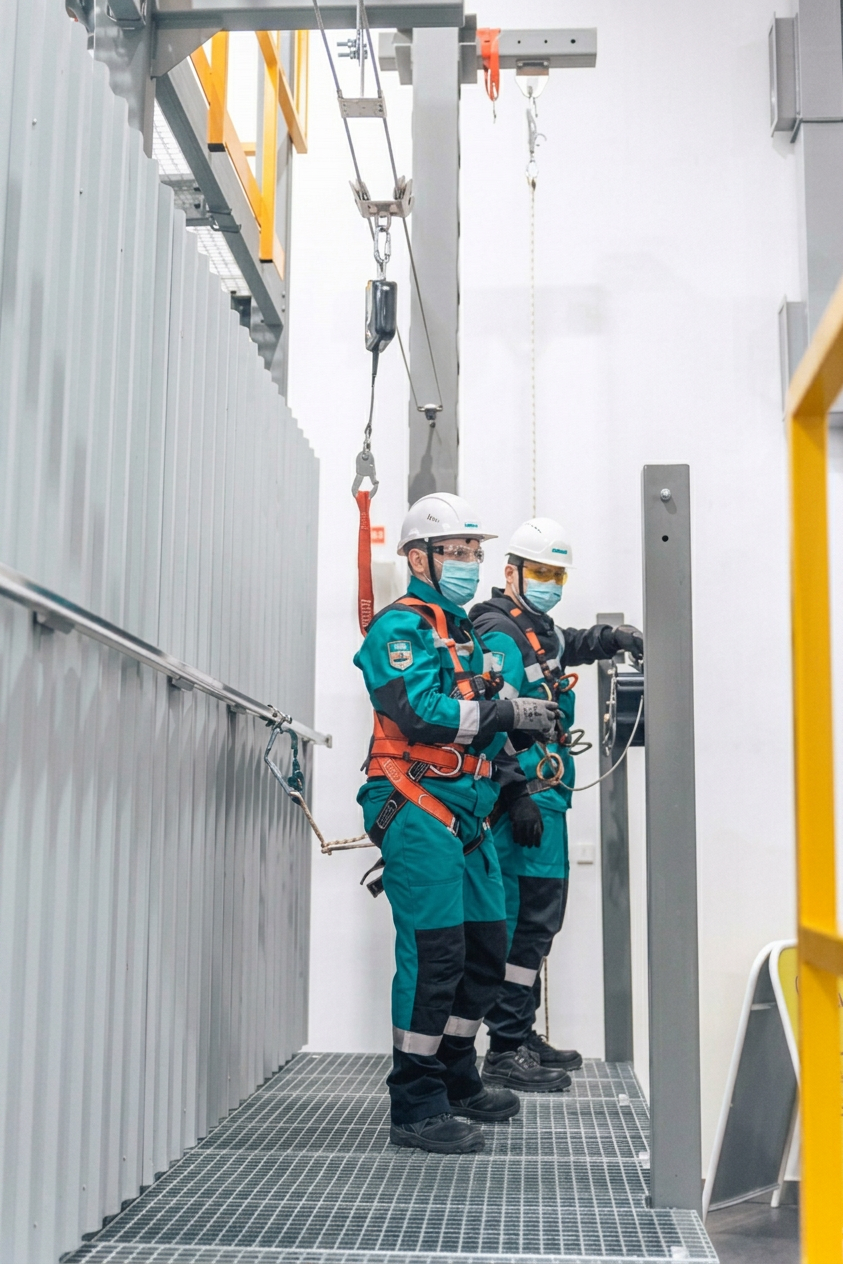
? Safety when working at height;
? Safe methods and techniques for working with rotating equipment parts;
? Providing first aid to victims.
At the same time, the goals and focus areas of these programs were immediately specified to avoid trying to cover everything at once and instead focus on the most relevant modules.
When building the technical training system, the key focus areas were:
? Equipment and classroom configuration (Where to teach?)
? Educational and methodological materials (What to teach?)
? Trainers (Who teaches?)
? Potential for improvement / program flexibility for changing circumstances (What next?)
Let's look at each of these focus areas in more detail.
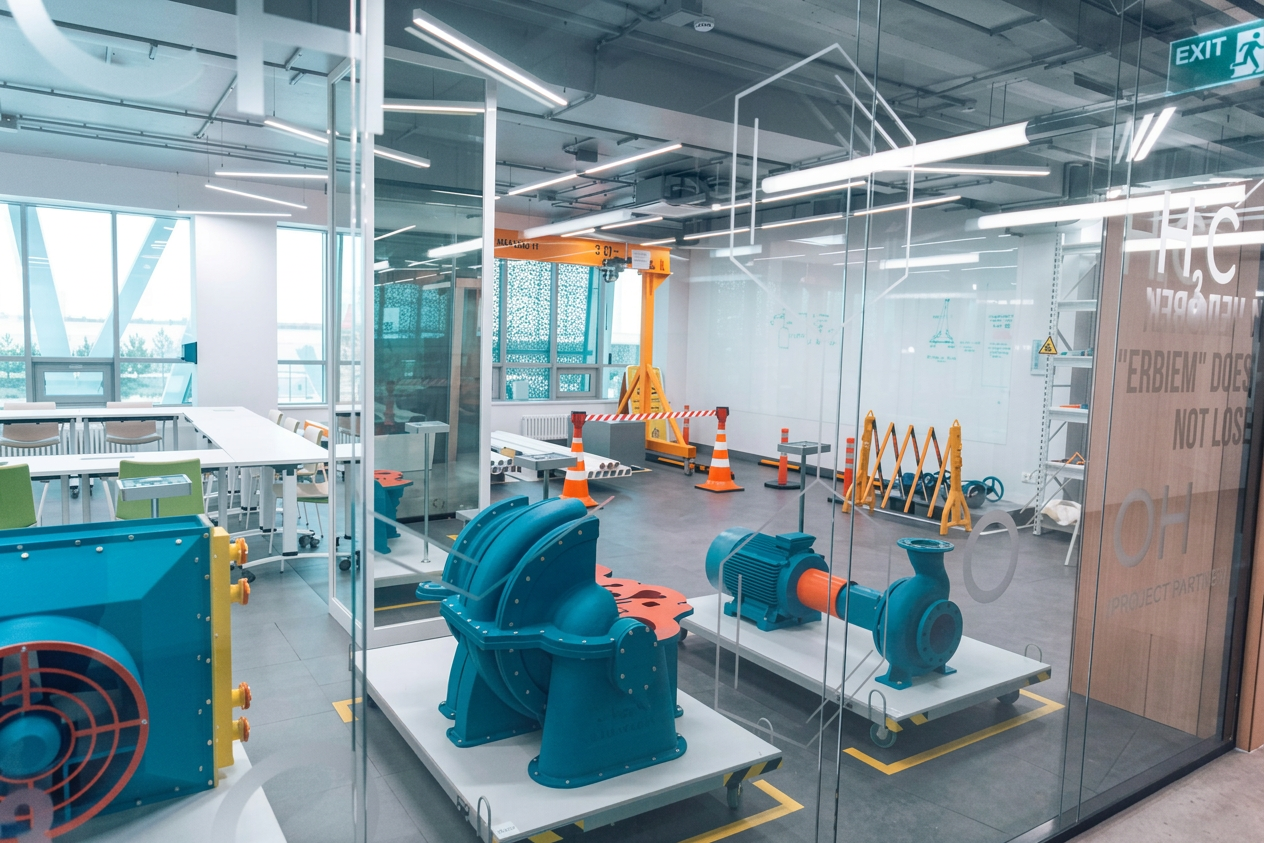
The selection of equipment and technical outfitting of classrooms was generally carried out based on the following principles:
- Identical to the equipment used at the plant;
- Helps achieve the training program's goals;
- Duplication of equipment in certain cases so that groups of students can practice identical skills simultaneously;
- Creation of the required space for practical exercises;
- Mobile desks for variety in lessons and group dynamics exercises.
The development of educational and methodological materials for the training programs was based on the following principles:
? Focus on practicing practical actions;
? Gradual increase in the complexity of tasks within the program;
? Each training module is structured according to the scheme: Problem Identification – Discourse – Practice – Feedback;
? Use of checklists to objectify the practical exam and for use in the workplace;
? Algorithmization of high-risk work performance;
? Effective, interesting programs with "wow" effects;
? Programs may include: e-learning course + webinar + face-to-face course + post-training.
It should be noted that material and intellectual investments in training materials pay off handsomely during implementation. Conversely, insufficient attention to teaching methodology can lead to lower student engagement, poorer retention of knowledge, and a wide variance in student outcomes depending on the trainer.
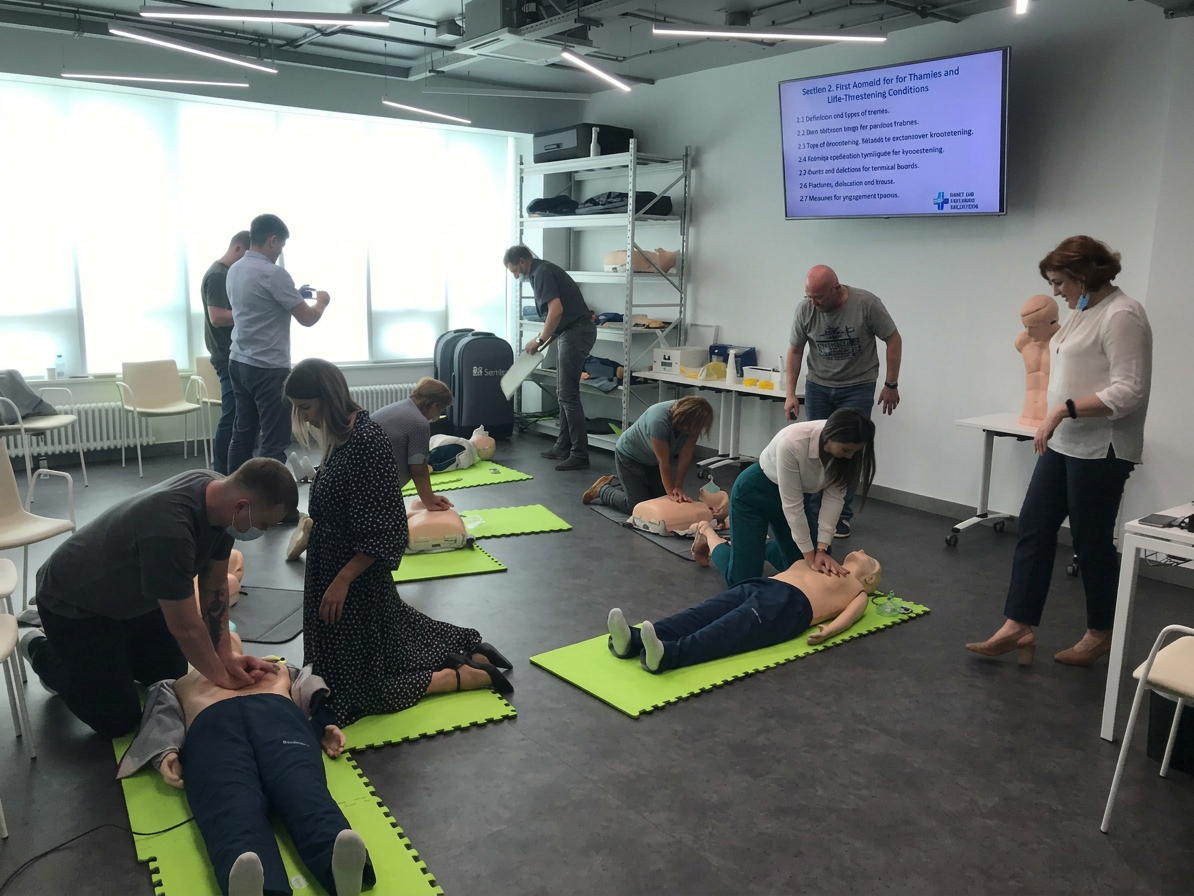
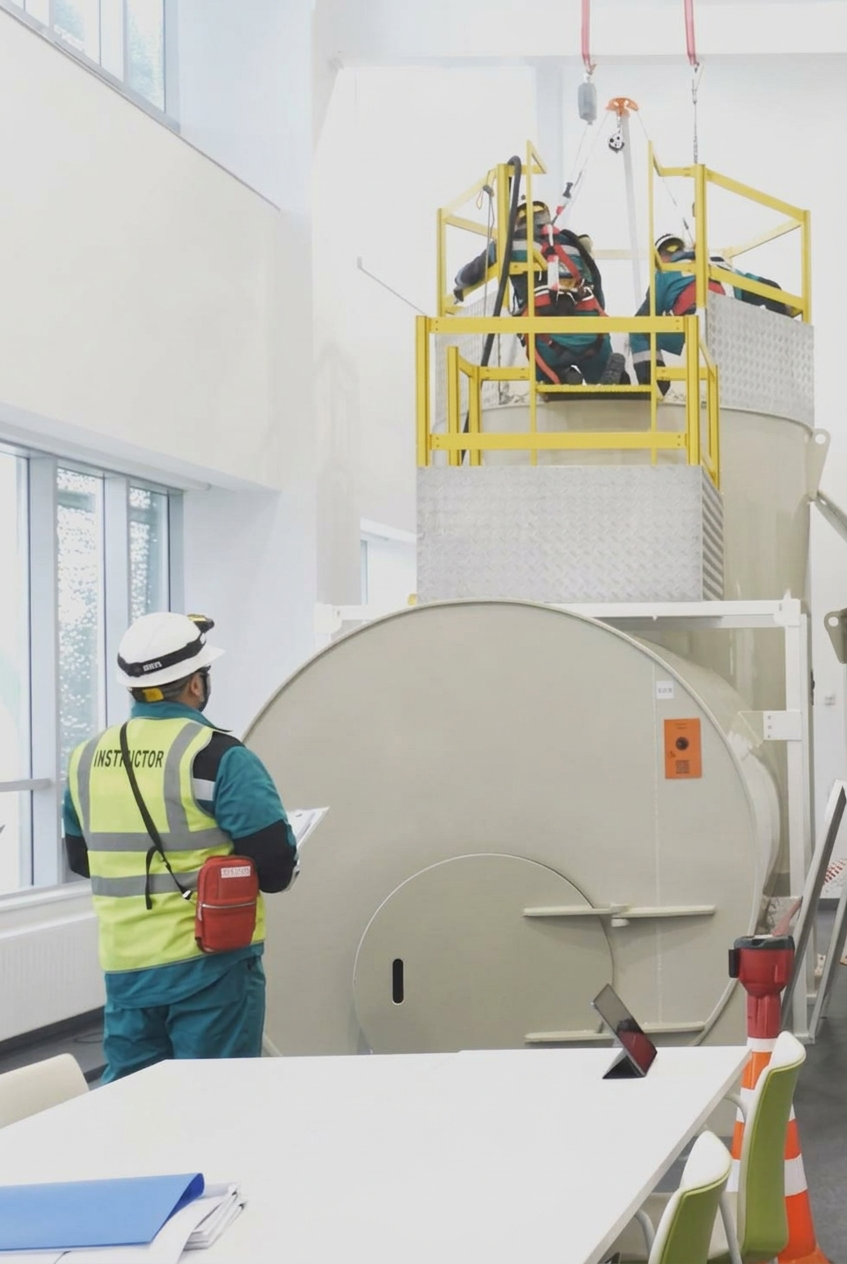
Regarding trainers, one can engage third-party organizations, hire full-time internal staff as "trainers" or "instructors," or develop teaching competencies in internal technical experts and periodically involve them in sharing knowledge with colleagues. Each of these three approaches has its pros and cons. At PJSC SIBUR Holding, the decision was made to rely on internal corporate trainers. Engaging external contractors for training is possible only in exceptional cases and for specific topics.
Corporate trainers are SIBUR Holding employees who have undergone special training and are called upon as needed to conduct training events at SIBURINTEH (averaging 20 training days per year).
The chosen approach offers the following advantages:
? Integration of the company's expertise;
? Operational flexibility;
? Development of an internal professional community and promotion of expert careers.
At the same time, there are several requirements for candidates during the trainer selection stage:
? Expertise in the subject area;
? Work experience in the subject area (more than 2 years);
? Communication skills and motivation to develop others;
? Performance management system rating of 5 or higher / professional level ("standard" and above).
As of February 1, 2022, 51 corporate trainers have been prepared for HSE technical training programs. Contrary to the popular belief that most instructors come from the HSE Function, only 9 of these trainers are HSE specialists.
The rest represent professions such as: apparatus operator, foreman, plant operator, site manager, technician, repairman, and electrician.
The process of preparing corporate trainers takes an average of 6 months and includes the following stages:
1️⃣ Selection and approval of candidates;
2️⃣ Training to develop trainer skills;
3️⃣ Methodology transfer: completing the program as a participant, explaining the material and trainer-specific delivery nuances;
4️⃣ Qualification exam: conducting a session of the course, followed by evaluation;
5️⃣ Independent training delivery with the support of an experienced expert.
An important feature of the developed programs is their flexibility. Programs are a "living" product. For example, after the initial development, they were supplemented with economic modules, digital tools, materials for preparing for the unified corporate exam, and new cases based on the analysis of accidents, micro-injuries, and the most common workplace violations.
Once all the components necessary for training have been created, it is important to "calibrate" the system at the start of training regarding:
? Alignment of program content with the target audience;
? Sufficiency of material and technical resources;
? Logical flow of the program scenario;
? Quality of trainer communication with the audience;
? Feedback from students on content, impressions, and organizational aspects.
Analyzing this information and making early adjustments and additions contributes to the faster achievement of corporate HSE goals.
In conclusion, the following results can be summarized:
1️⃣ An HSE technical training system has been established at PJSC SIBUR Holding;
2️⃣ The configuration of safety classrooms at the SIBURINTEH Center for the Development of Engineering and Technical Expertise has been thoroughly designed;
3️⃣ Training is implemented to achieve corporate HSE goals;
4️⃣ Significant attention is paid to training methodology;
5️⃣ The created training is not only useful but also engaging;
6️⃣ Training programs are "living," and work is ongoing to improve their effectiveness.
7️⃣ Any subsequent HSE technical training programs will follow an identical development path.
I spoke in detail about the process of building the HSE technical training system during an HSE DAYS webinar in October 2021; the presentation is available via the link.