The Deep Roots of Workplace Tragedies: Digging to the Very Core!
So, here we have the top six culprits behind workplace accidents! Let me remind you what they are: "unsatisfactory organization of work," "employee violation of internal labor regulations and discipline," "traffic rule violations," "unsatisfactory technical condition of buildings, structures, and territories," "violation of the technological process," and "unsatisfactory maintenance and shortcomings in workplace organization."
It turns out that, like a black hole, they attract more and more victims. And here, you know, a nagging question pops into my head: "What lies beneath this tip of the iceberg? What monsters are hiding in the shadows, pulling the strings of these so-called 'official' causes?" It is time to dig deeper, right down to the roots of evil! After all, you must agree that fighting the consequences is like mowing the grass when you need to pull the weed out by its roots!
The next stage of my research was to identify those sinister factors underlying the tragic causes of accidents, like poisonous roots in a garden of human suffering. I called these factors, which define the deep, agonizing essence of the problem, "root causes." With a heavy heart, striving to get to the truth, I conducted a detailed analysis of incidents that occurred between 2006 and 2023 in the structural divisions of one of the largest enterprises in the fuel and energy complex. The arsenal of analytical tools included the "events and causal factors charting" method, which helped me trace the living chronicle of how events unfolded. Meanwhile, the "5 Whys" method, like an experienced investigator, unraveled the tangle of cause-and-effect relationships. Thanks to it, I built a clear diagram for each accident, exposing its deep roots.
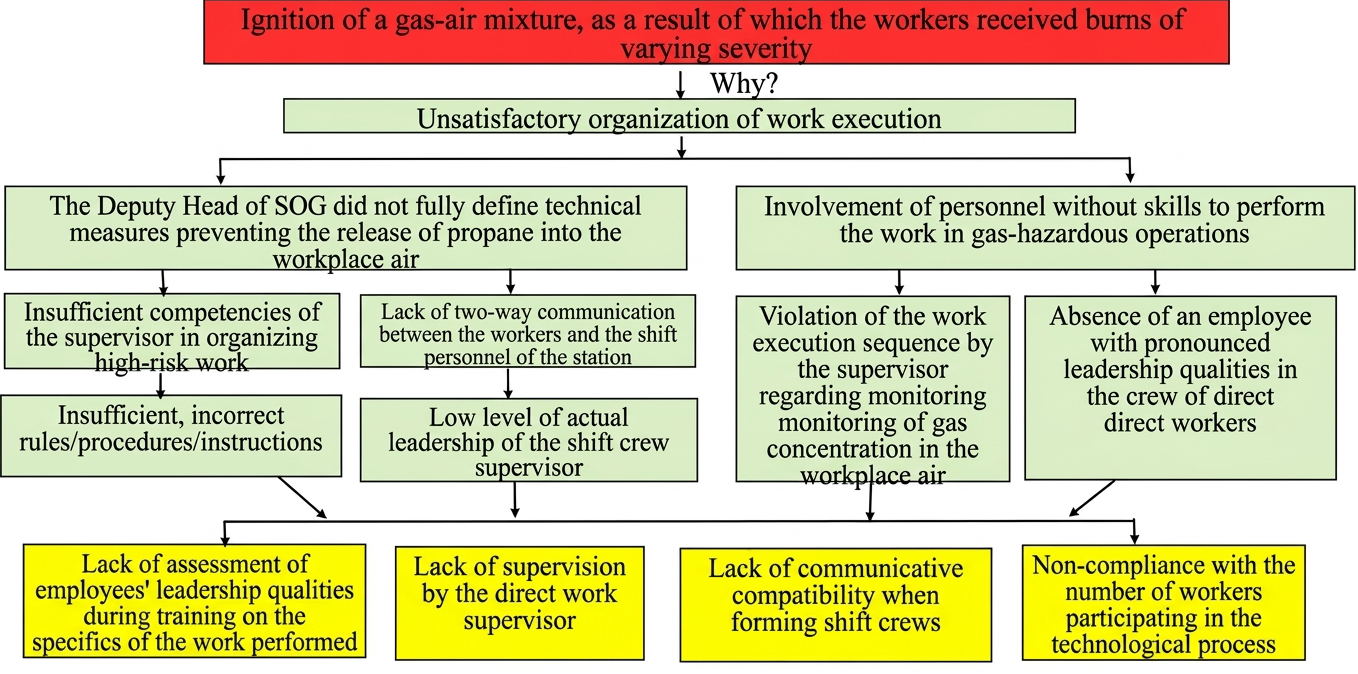 Figure 1 – Example of a tree diagram for the "5 Whys" method
As a result of a comprehensive, despair-soaked study of the investigation materials, root causes were identified, recurring like ghosts in all the reviewed incidents. These include: "Lack of communicative compatibility," "Insufficient control by the immediate work supervisor," and "Inadequate assessment of employees' leadership qualities." Building a logical-graphical model made it possible to visualize the cause-and-effect relationships, like a web of fate, and to structure the causes of the incidents by dividing them into primary and root causes.
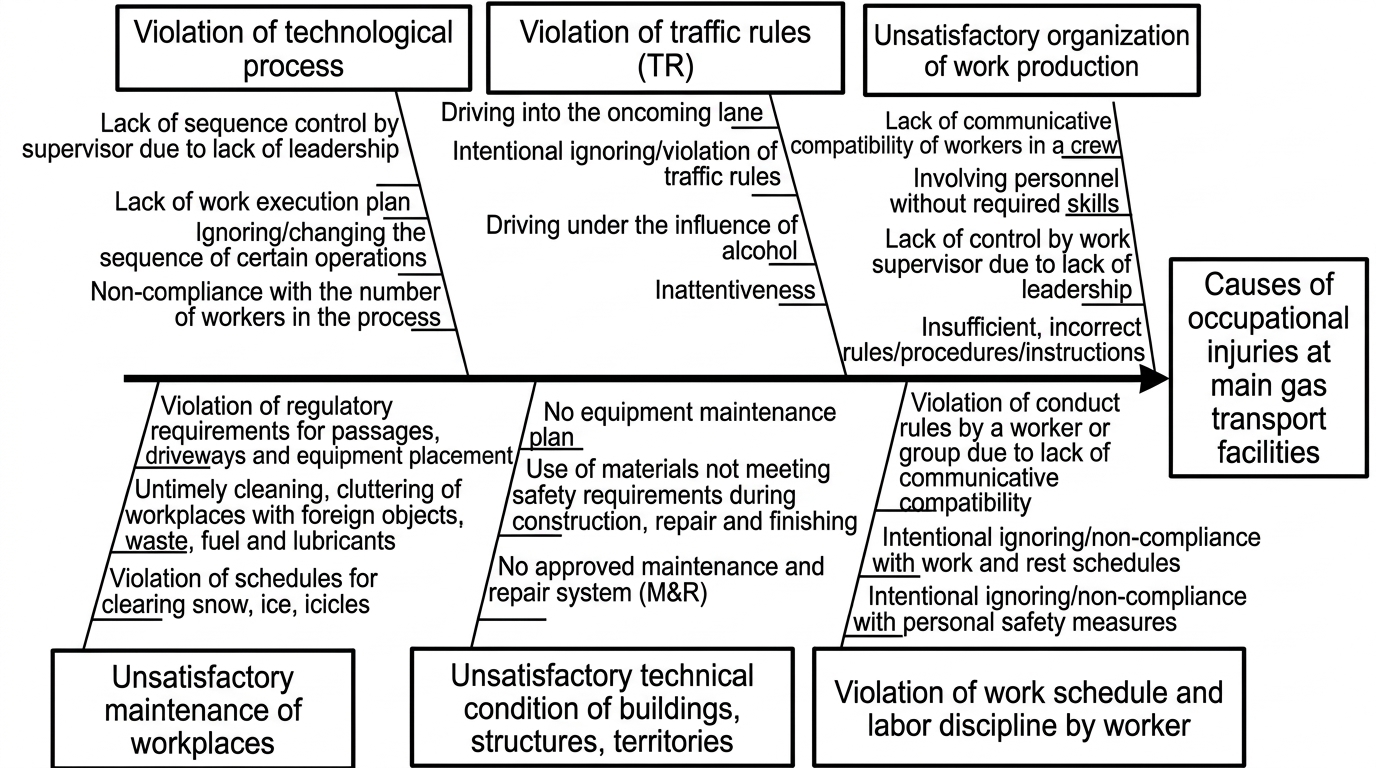
Figure 2 – Logical-graphical model of the established cause-and-effect relationships of occupational injuries
The visualization presented in Figure 2 demonstrates the terrifying correlation between the root and primary causes of accidents, like a bloody pattern of tragedy. Next, with trepidation in my soul, I conducted a study of the correlation between the number of victims due to the root cause "lack of communicative compatibility" and the total number of victims resulting from these accidents. A 95% probability indicated that, like a curse hanging over their heads, the investigated root cause has a "significant" to "very high" impact on the risk of employee injury.
Furthermore, it was established that the root cause "lack of communicative compatibility," present in the overwhelming majority of the studied materials on employee injuries, has a direct impact on the psychological climate within the team and is the primary reason why the largest number of employees suffered in accidents.
Summing up, I can confidently say that developing a revolutionary method for reducing occupational injuries, based — ATTENTION! — on an algorithm for assessing the communicative compatibility of employees, is not just an important task. It is like a beacon in a storm, a breath of fresh air in a stuffy room, like... a ray of hope! Yes, I am talking about a VITAL direction in ensuring occupational safety! Just imagine: fewer injuries, more smiles, and all thanks to the idea of teaching people to get along with each other! This is not science fiction! This is the new reality in HSE!