Safety Cycle: A Cumulative Tool for Achieving "Target Zero"
From Aviation to Production: Why We Forget the Lessons of Incidents
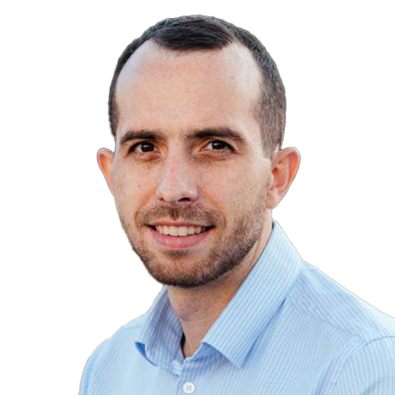
The pursuit of "Target Zero" — zero injuries — requires a constant search for new approaches. In his presentation, Ivan Drepin, Head of Industrial Safety at the Raw Materials Division of NLMK, turns to an unexpected example: aviation. Despite the apparent danger, airplanes remain the safest mode of transport. The secret lies in the thorough analysis of every incident using "black boxes" and, more importantly, in preventing the repetition of mistakes.
In production, the situation is different. Investigations are conducted, root causes are identified, and corrective actions are assigned, yet incidents recur. The speaker explains this using the Ebbinghaus "forgetting curve": without regular repetition, information fades from memory. The focus shifts, and we step on the same rake again.
The "Safety Cycle": How Spaced Repetition Works in Practice
To solve the problem of recurrences, Ivan Drepin developed a proprietary tool — the "Safety Cycle". It is a visual board in the shape of a clock face that helps to regularly return to the analysis of past incidents.
- Outer radius: 16 real incidents specific to a particular structural unit. This makes the tool relevant for the workers.
- Inner radius: Top risks of the unit (e.g., working at heights, hot work).
- Weekly rotation: Every Thursday, the dial shifts by one division. This triggers targeted work on a specific risk and incident.
The tool provides a four-week cycle of returning to the same case, but in different formats: informing, monitoring corrective actions, and reconstruction. This prevents the issue from slipping out of focus.
Incident Reconstruction: Shock Content for Conscious Safety
The speaker pays special attention to the reconstruction stage. People tend to rely on personal experience, and if a worker has violated rules for years without consequences, it is difficult to convince them with words. Reconstruction creates an artificial but vivid negative experience.
The presentation details an example of a dummy falling from a 10-meter height. Visualizing the consequences has a powerful effect on workers, forcing them to rethink risks. Importantly, the reconstruction is conducted safely and demonstrates not only the incident itself but also the correct algorithm of actions that would have prevented it.
A Tool for Managers, Not Just the HSE Department
A key success factor of the "Safety Cycle" is its ownership by production. The tool is held by the shop manager, who sets weekly tasks for their team. The HSE specialist acts only as a methodologist. A pilot project at one of the enterprises showed that with proper implementation, production workers accept the tool because it is simple, understandable, and does not require excessive labor (about 15 minutes a week).
What you will learn from this webinar:
- How to overcome the "forgetting curve" and prevent the recurrence of the same incidents?
- How to create and implement the "Safety Cycle" visual board in your unit?
- How to safely and effectively reconstruct incidents to change workers' attitudes towards risks?
- How to transfer responsibility for the safety tool from the HSE department to local managers?
- How to adapt the tool when new incidents occur or work specifics change?
Comments 4
Good afternoon, will the webinar be starting? We've been waiting for 15 minutes
The presentation is not active
Good afternoon, could you please advise on the webinar start time
Good afternoon! How much does the plan cost?