#Safety culture
Development of a proactive safety culture in production: mindful leadership, motivation programs, contractor engagement, and addressing the human factor. Transitioning from reactive oversight to integrated risk management practices.

What is More Valuable: Tons of Production or Preserving Human Life and Health?
The article examines the differences in safety culture between Russian and foreign industrial companies. The author shows that a formal approach and acceptable injury rates hinder domestic enterprises from effectively protecting workers, while foreign companies place human life above profit. The publication explains why top management needs to make preserving the life and health of personnel the main goal of the company to achieve zero injuries.

Anonymous Surveys as an HSE Tool. How to Find Hidden Risks and Build an Open Dialogue with Employees?
The article explains why routine occupational health and safety walkthroughs do not always reveal hidden workplace risks and habitual rule violations. The author shows how to make an anonymous survey an effective tool for obtaining honest feedback from employees without fear of punishment. The material provides a step-by-step guide to drafting questions, communicating with the team, and working with feedback to eliminate hazards.

Safety Begins with a Conversation
The article tells how a living culture of safety in production is formed not through regulations and coercion, but through open and respectful dialogue. Discussing risks and errors without fear of punishment allows seeing weak signals and preventing incidents before they happen. The material explains how to make conversation an effective risk management tool and transition from formal compliance with rules to conscious safety.

A Bright Accent at the Zapolyarny Mine: A Wall That Inspires! How Small Ideas Inspire Great Deeds!
In honor of the 80th anniversary of the Zapolyarny mine, the team of the Industrial Safety and Occupational Health and Safety Directorate created a unique wall mural at the main entrance to the administrative and amenities building. The article tells how this art object combined images of production and technology, turning into a visual reminder of occupational health and safety rules. The material shows how a creative initiative helps strengthen team spirit and form a culture of personal respon...

Safety Culture, Peter the Great Style: How an 18th-Century Shipyard Fostered Order, Responsibility, and Mentorship
The article examines the "Regulation on the Governance of the Admiralty and Shipyard" of 1722, in which safety requirements were embedded into the duties of specific positions at 18th-century shipyards. Using examples of working with rigging, cranes, masts, and flammable materials, the author shows how hazardous processes and incoming control of materials were regulated. An analysis of Petrine experience demonstrates a historical prototype of modern HSE systems, where a safety culture was built...

The Story of Pryanik and One Important Conversation with a Dog Trainer
The story of a ten-month-old American Bully named Pryanik shows that an affectionate and gentle nature can lie behind an impressive appearance. A conversation with a dog trainer prompted the dog owner to remind about important rules for interacting with unfamiliar pets on the street, compliance with which helps make every such encounter safe for both human and animal.

How Managers Can Get Information About Accident Risks Before They Happen
Implementing a direct communication model for critical risks from line personnel to top management. The approach involves identifying 5-10% of key employees at critical facilities, creating a direct communication channel without intermediate filters, and ensuring emotional safety to prevent the concealment of pre-accident situations.

"Safety Pill" — Engaging Workers in Risk Analysis Through AI Workplace Visualizations
Engaging workers in occupational risk analysis using personalized workplace images generated by artificial intelligence (Leonardo neural network). The method involves holding short 15-minute meetings in workshops where employees look for intentionally embedded violations in pictures, and then propose their own hazard scenarios via QR forms for generating new images.

Three Myths About Artificial Intelligence
The article examines common myths that become the main obstacle when implementing artificial intelligence into workflows. The author explains that a neural network does not replace a human, but enhances a specialist if tasks are formulated correctly, the tool is customized to one's needs, and one possesses deep professional knowledge. Analyzing these misconceptions helps form realistic expectations of AI and learn to delegate routine tasks to algorithms.
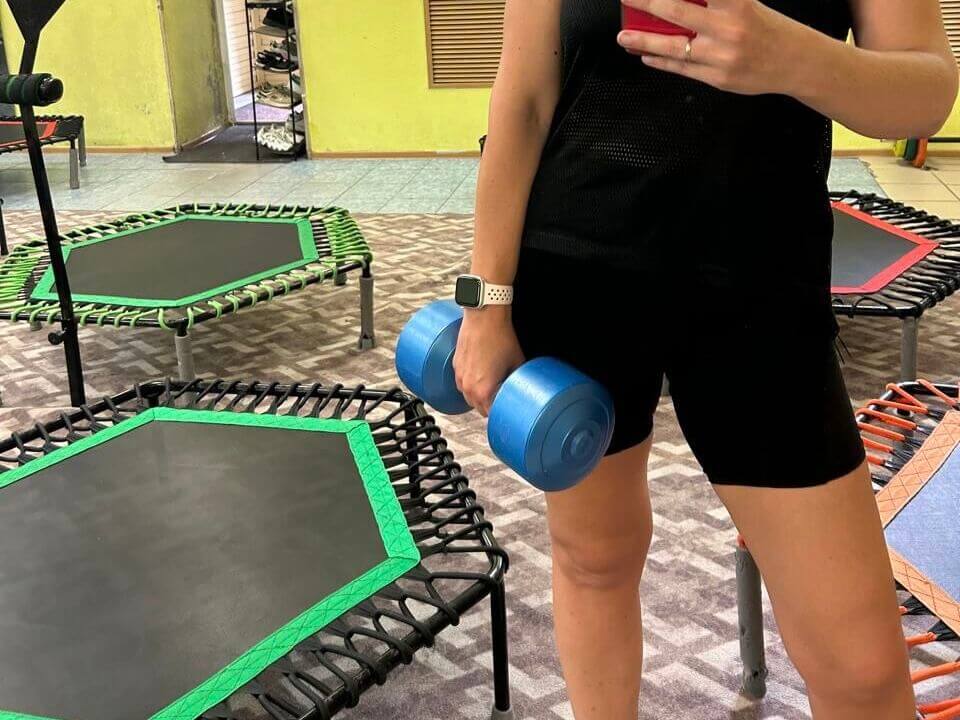
Airborne Dreams and Harsh Reality: Why Safety in Hobby Sports Matters!
The author of the article, drawing on personal experience with trampoline jumping, shows how blind trust and a lack of equipment inspection can lead to a serious injury. The story explains why safety is necessary not only for professional athletes, but also for amateurs who come to the gym for emotions and stress relief. Using their own example, the author urges readers to inspect the equipment themselves before training so that a favorite hobby does not put them out of action for months.
My Transformation from a Miner to an HSE Professional
The author shares a personal story of transitioning from a miner in an extraction section of the Zapolyarny mine to a specialist in industrial safety and occupational health and safety. Through his own example, he shows how a principled stance and strict production control help curb violations, change contractors' attitudes toward safety standards, and save workers' lives. The article reveals the specifics of working in the field of industrial safety and occupational health and safety, the diffi...

Methodology for Assessing the Safety Level and Favorable (or Unfavorable) Mood of a Workforce
The article presents a methodology for assessing the level of safety and the socio-psychological climate in a work team, developed on the basis of a questionnaire by psychologist A. N. Lutoshkin. By using polar profile surveys, the method allows determining the psychological attitude of employees toward compliance with safety standards, as well as identifying unifying and dividing characteristics of the group. Determining the degree of team cohesion helps monitor the dynamics of relationship dev...