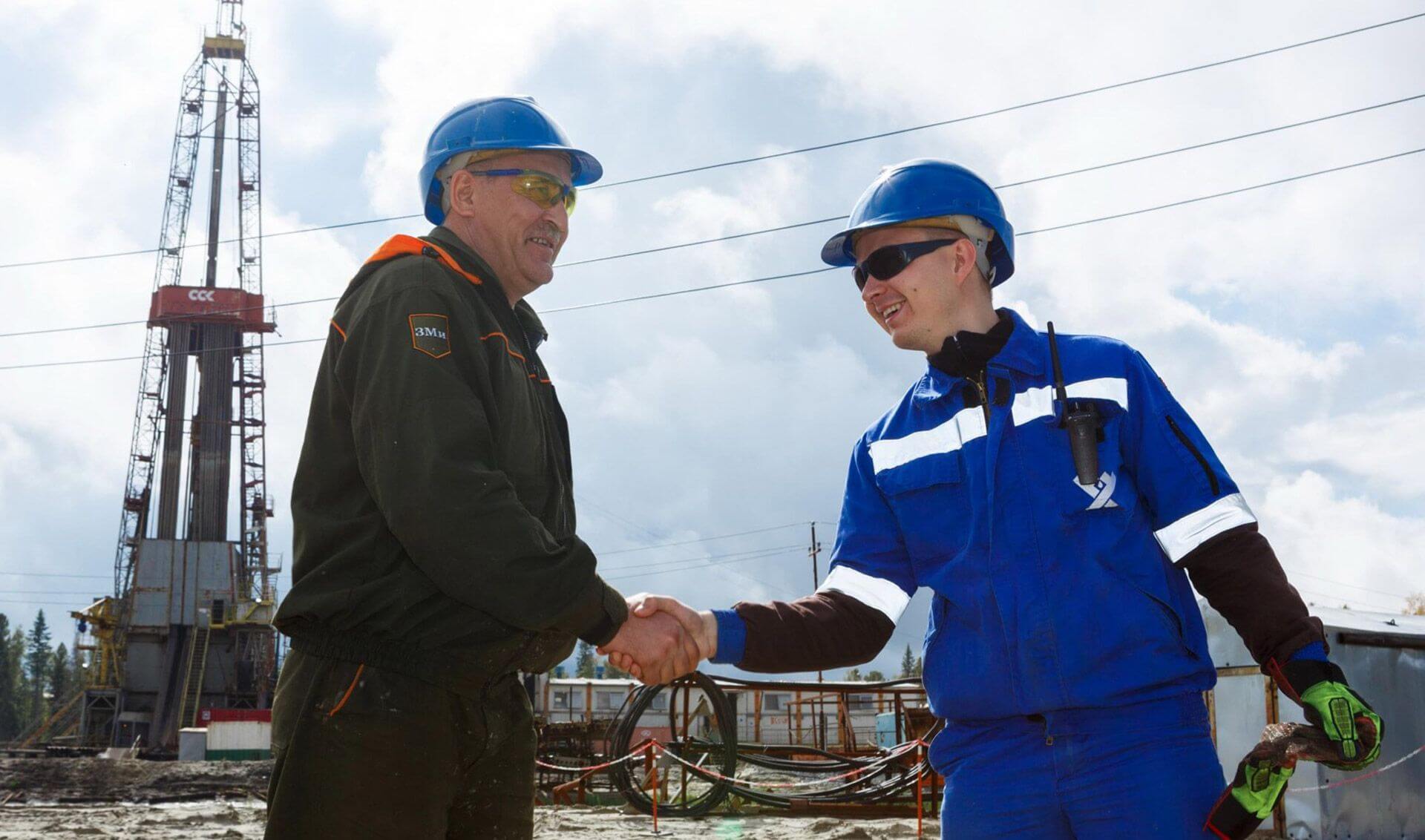
Expressing Gratitude and Shaping Safety Culture
Despite the fact that employees do everything correctly and safely most of the time, we do not always pay attention to this or praise them for it. At the same time, as soon as they do something wrong, we notice it immediately.
Our brain is programmed to primarily pay attention to the negative aspects of a situation. Why? Because it was a key to survival. If our distant ancestor was not observant enough to notice a tiger or a snake hiding in the bushes, they had little chance of survival. Our brain has retained this natural program and the ability to see what is going wrong.
And yet, if we want to reinforce desired behavior, it is important to thank employees and praise them for a job well done. By doing so, you motivate the person to do it again and again. In addition, other employees, seeing how you praise someone, also want to receive praise and will strive to do the right thing. Thus, you create a "behavioral standard" that everyone else begins to follow.
This is a very important part of HSE Culture — talking about what people are doing right, praising and thanking them for it, rather than just noting their mistakes and violations.
In order to focus more on correct behavior and develop the habit of thanking and praising, you need to remind yourself of this every time you go out to the work site and set small personal goals. For example: express gratitude or praise for a job well done at least 5 times today.
At the same time, it is important that the gratitude is:
Sincere — if your employees do not believe that your gratitude is sincere, the result can sometimes be the opposite. Make sure you are truly internally ready to express sincere gratitude. Gratitude should not sound like a rehearsed script. Remember, even the word "well done" can be pronounced in different ways.
Specific — by thanking people for specific actions, you reinforce those exact actions.
Public — people are highly motivated by gratitude in front of colleagues; colleagues develop a desire to perform the work just as safely. For new employees, this will also serve as an example to follow, and they will immediately learn to perform the work correctly.
We are all used to thinking that motivation must be financial; however, as practice shows, the effect of financial motivation is often short-term, and then the amount of financial motivation needs to be increased every time. Effective managers find a balance between financial and non-financial motivation. Often, sincere gratitude and recognition from colleagues is the very non-financial motivation your employees need. This tool is always at your fingertips.
For many of us, it is unusual to say "thank you" to employees for doing their job correctly. After all, they are paid for it. However, as soon as you start doing this, you will notice positive changes in the actions of the entire team. Teach yourself to thank your employees, and for this, you need to practice. Look for and find the good.