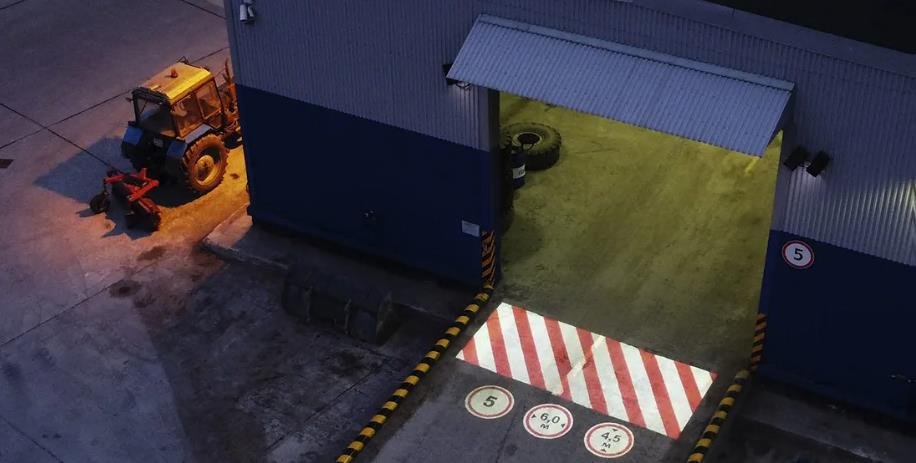
Hazard Visualization as an Element of the Risk Management System
Why Do We Need to Visualize Hazards, Harmful and Hazardous Occupational Factors, and Workplace Risks in the First Place?
The answer is obvious: to prevent accidents, reduce workplace injuries and occupational diseases, eliminate threats to life, and prevent harm to employee health.
Visualization tools should be used:
- to draw the attention of workers and visitors to hazards, dangerous situations, harmful and hazardous occupational factors, and risks;
- to communicate the potential consequences of ignoring a hazard;
- to mandate or require specific actions defined by safety signs.
Those responsible for industrial safety who understand the importance of managing injury risks need to address the following questions in their work:
- how to determine the types and locations of hazards on the facility premises based on safety requirements?
- how to mark hazard types, hazardous areas, and potential dangerous situations with barriers, safety colors, safety signs, and warning markings?
- how to select appropriate safety signs warning of hazards, dangerous situations, harmful and hazardous occupational factors, and risks?
- how to determine the dimensions, types, designs, degree of protection, and placement (installation) locations of barriers, safety signs, and warning markings, as well as where to apply identification color coding on process pipelines?
- how to use safety signs to mark the locations of personal safety equipment and tools that help reduce potential harm to human life and health or property damage in the event of a fire, accident, or other emergency?
all hazard sources and the hazardous zones they create must be identified and classified, and the risks must be entered into the business unit's risk register. For each identified hazardous zone, the level of employee injury risk must be assessed, and based on this assessment, the following must be determined:
- prohibition of employee access to the hazardous zone, or the permitted regime for employee presence and work execution in the hazardous zone, specifying all necessary safety measures, including the use of protective equipment to eliminate threats to human life and health;
- the method and technical means for restricting employee access to the hazardous zone;
- the method and technical means for marking the hazardous zone with warning markings, safety signs, and safety barriers.
The boundaries of hazardous zones must be marked with warning markings, safety signs, and warning and (if necessary) protective barriers, and information about them must be communicated to the personnel working in that area.
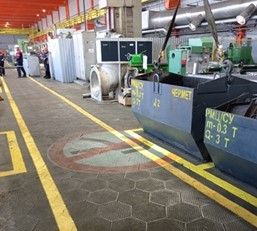
That Is the Theory, But How Can It Be Achieved in Practice?
Based on the interstate standard GOST 12.4.026-2015, our Company has developed a corporate policy that establishes unified requirements for organizing and carrying out hazard visualization work across enterprise business units, taking into account specific operational characteristics.
In addition, the following solutions have been actively used in recent years:
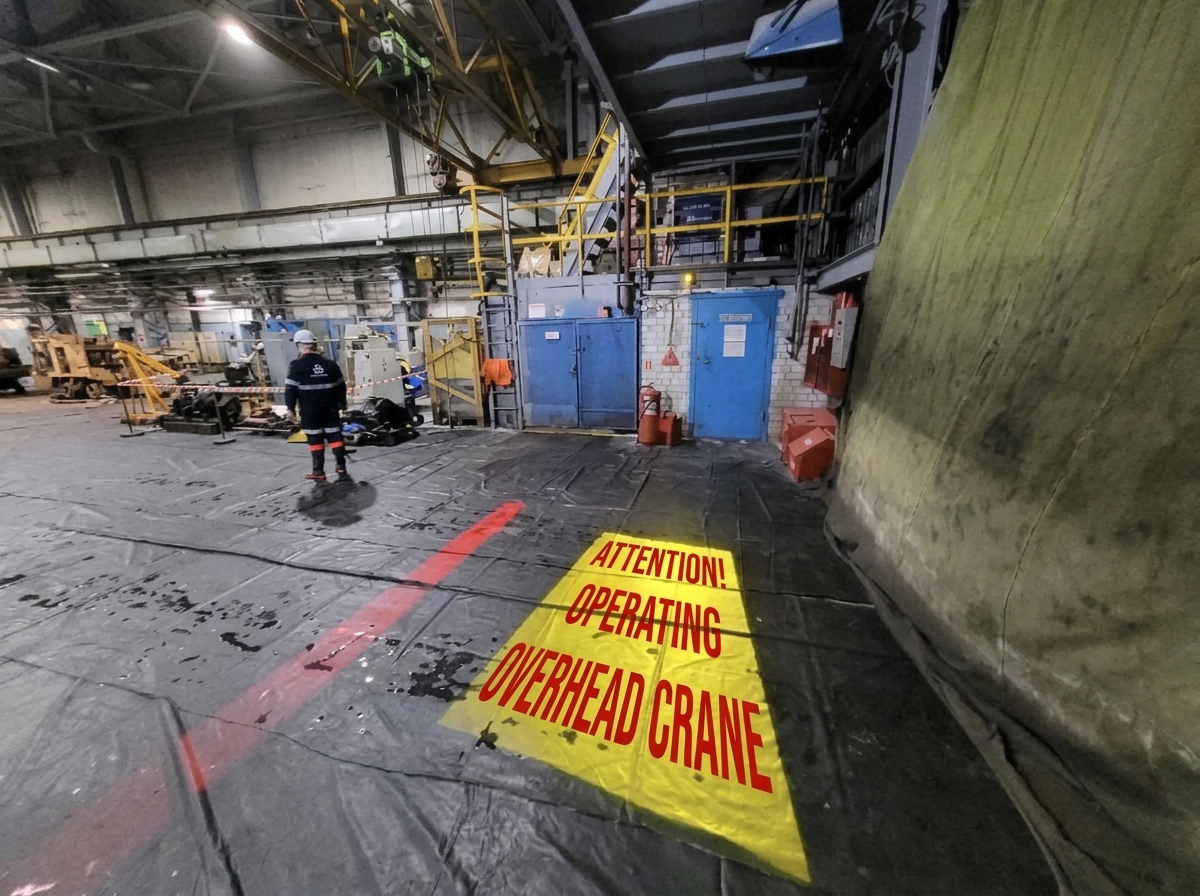
Projection equipment installed in permanent high-risk work zones—for example, in overhead crane operating areas inside production facilities, informing workers that walking under lifting equipment is prohibited.
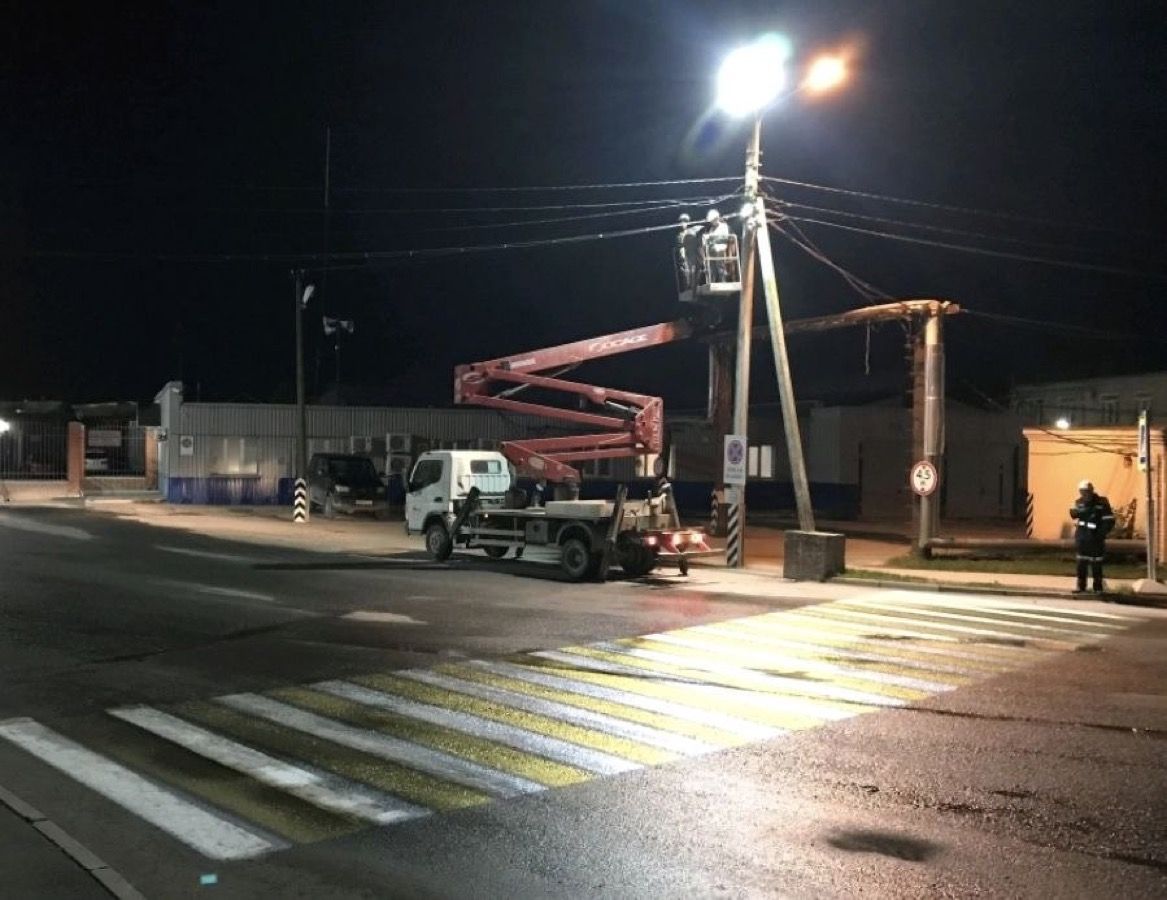
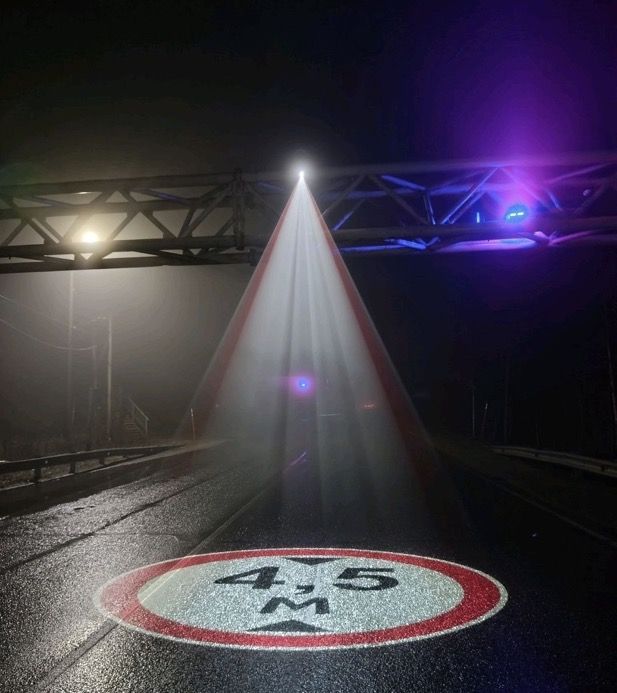
Projection equipment installed at roadway crossings in high-traffic areas and on critical overhead racks, where vehicle collision damage would increase the risk of a production shutdown.
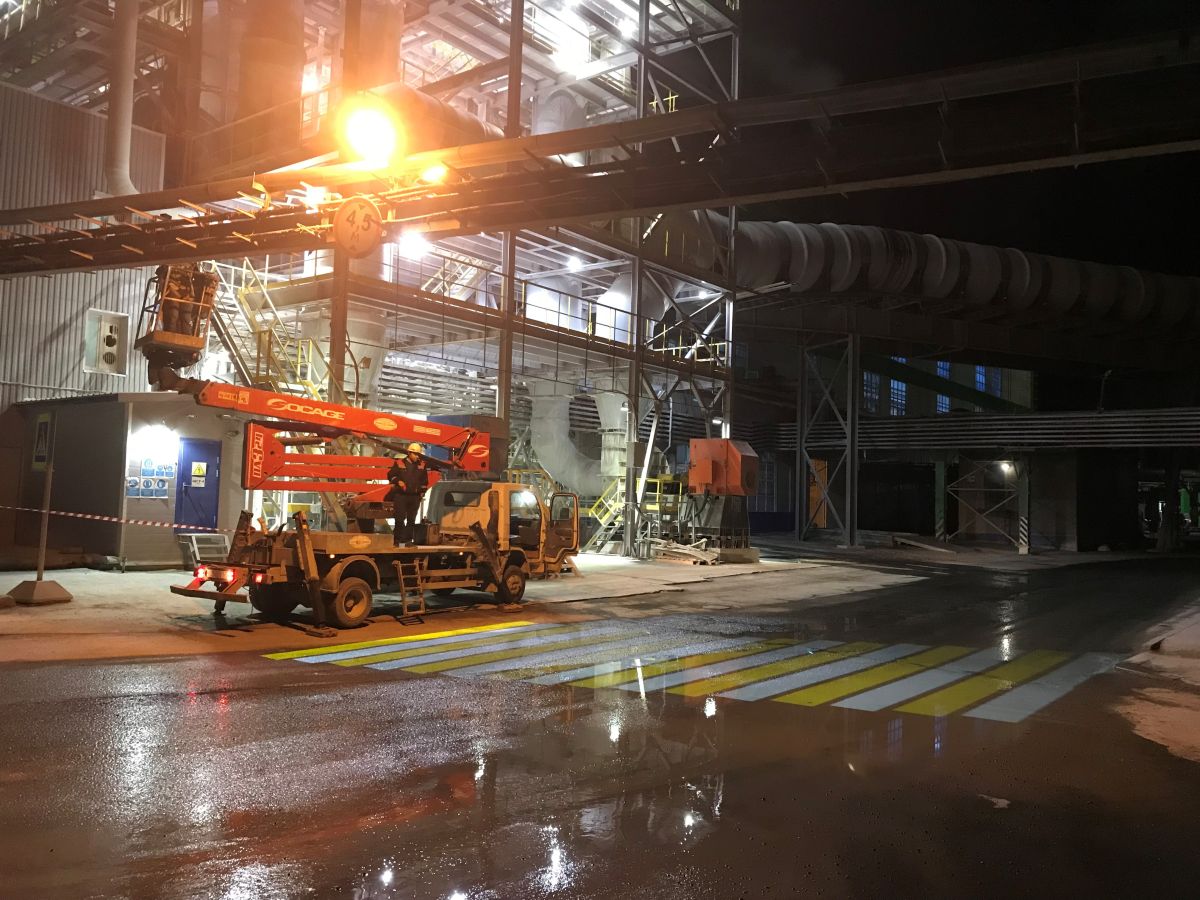
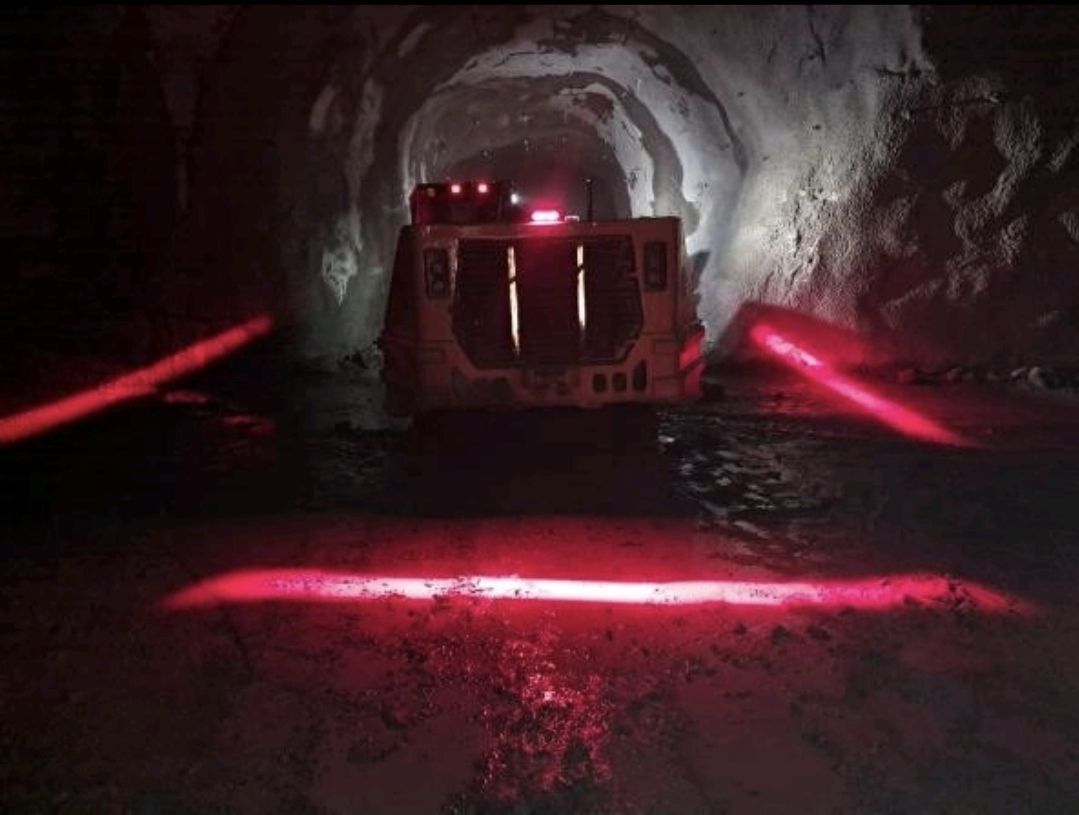
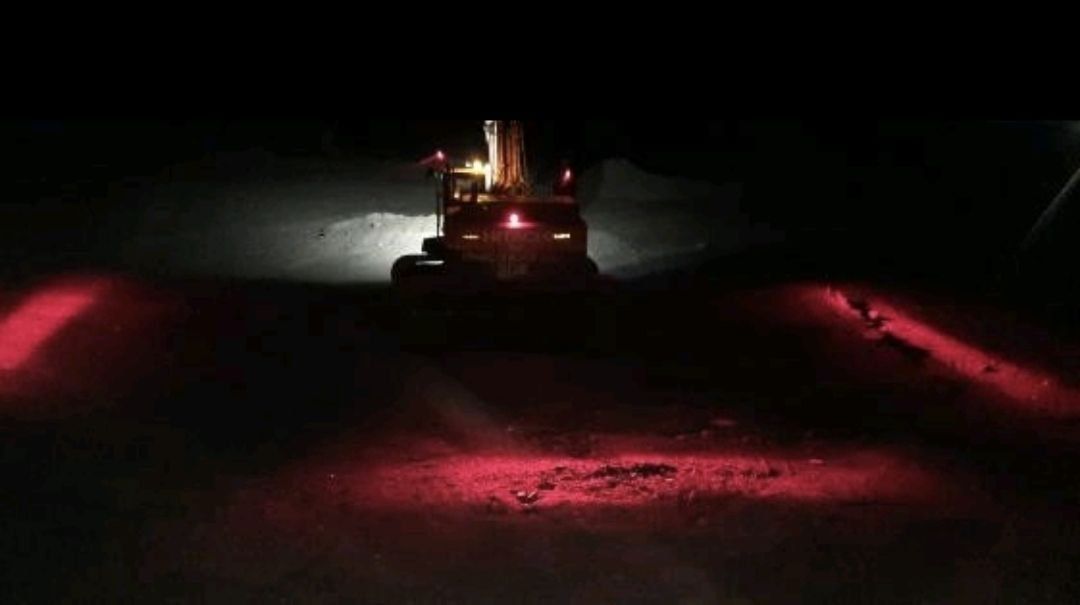
Projection equipment mounted on self-propelled machinery used in apatite-nepheline ore mining—both underground and in open-pit surface operations—as well as on other types of vehicles operating at the Company's facilities.
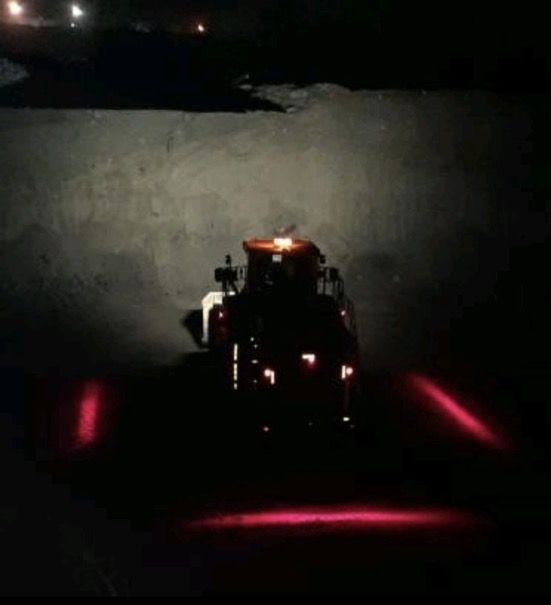
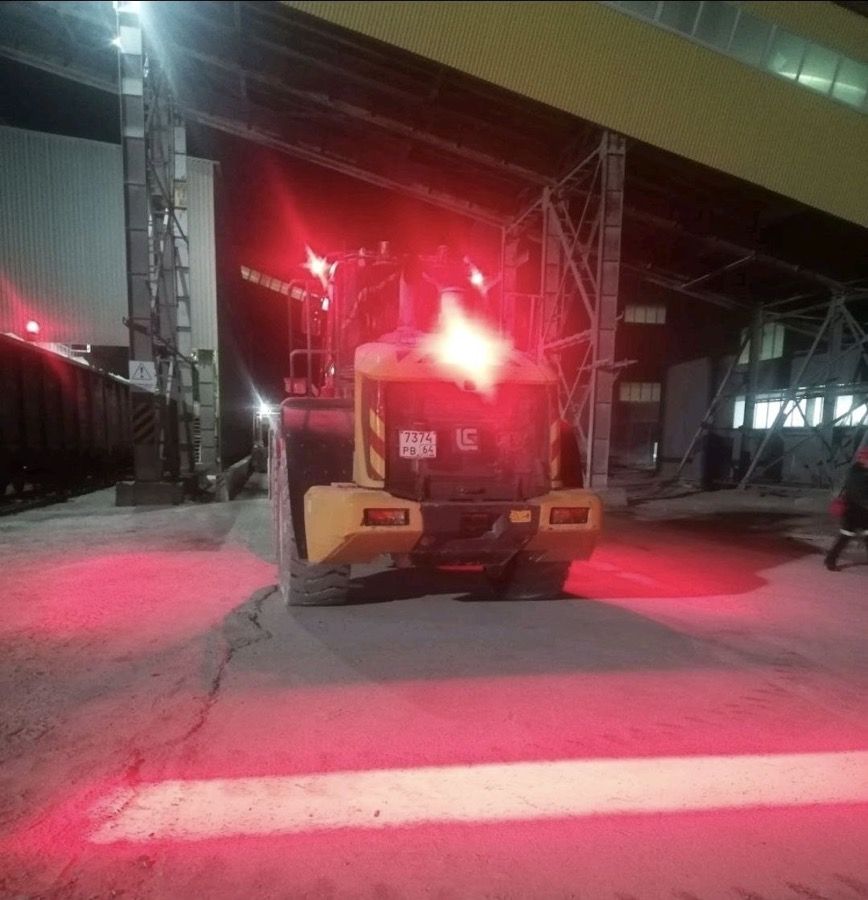
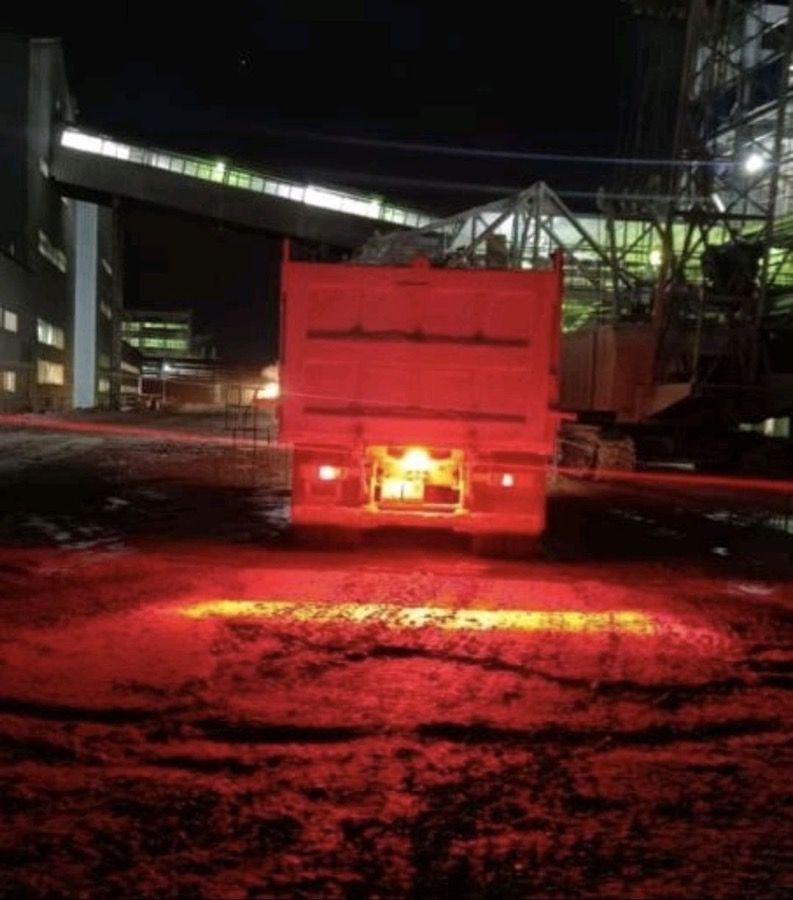
To sum up, these time-tested solutions do not require significant financial resources, and employee feedback has been overwhelmingly positive. However, their use does not replace, but merely complements, the need to implement organizational and engineering safety controls, use personal and collective protective equipment, and provide safety training and briefings.