Expert Blog

Malleable as Wax: Onboarding Young HSE Specialists in Enterprises Amid Talent Shortage
Amid a severe talent shortage, inexperienced newcomers are joining the HSE field. How do you prevent burnout and turn them into loyal professionals? We break down a step-by-step onboarding system for young specialists: from mentorship and development plans to a three-year checklist.

How to become a safe leader-manager?
A manager and a leader are not the same: an order ensures execution, a personal example ensures commitment. The Chief Safety Culture Officer of SNIIP JSC examines five characteristics of an effective leader-manager according to WANO recommendations: from the concept of "high standards" to building leadership potential, with behavioural indicators for each and a roadmap of first steps for those starting from scratch.

AI as a second expert: from safety talks to automated BSD evaluation
A conducted safety talk is easy to count — it is hard to understand if the conversation took place. The occupational health and industrial safety director of SSGPO JSC shows the next stage of their scheme: an AI assessor analyzes the audio recording of the safety talk and the behavioural safety dialogue using the same criteria, and the manager receives a personal review in about forty seconds. Inside: the path from a manual loop in Perplexity to a Telegram bot on Make and seven ready-made prompts.
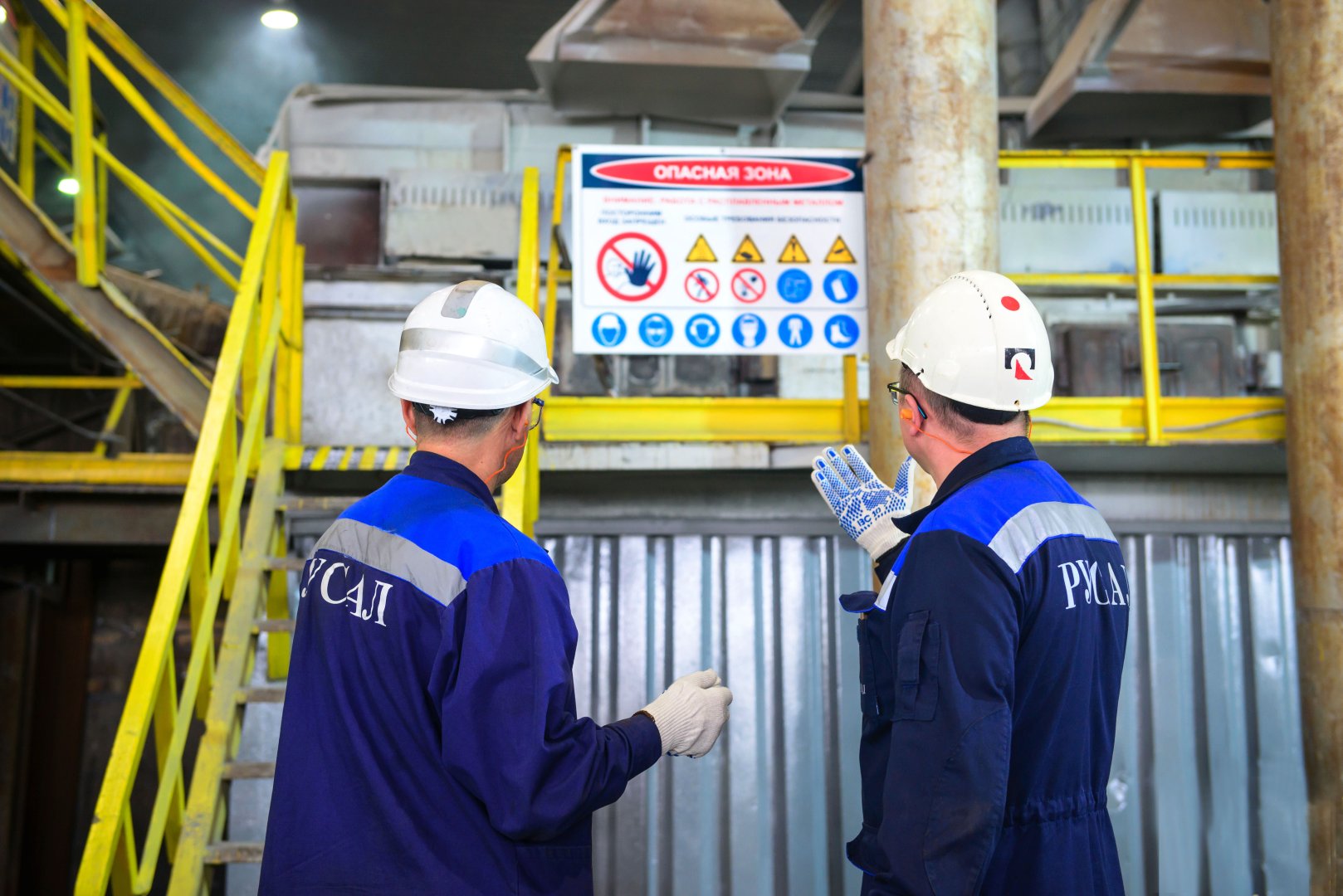
🛡️Safety: Visual safety management at RUSAL — sharing our experience
A rusty sign taped to the shop gates reads loud and clear: safety is of no interest to anyone here. Ivan Bobrov explains how RUSAL’s Downstream Division — 11 plants and about 8,000 employees — built visual safety management with its own people in two and a half years: a single standard for signs and floor marking, three steps of “see it — design it — apply it”, ready solutions for hazardous areas, stairways and pedestrian flows, and the seven conditions without which none of it works.

Why Safety Training Does Not Always Lead to Safe Behavior
A perfect safety test score does not guarantee that a worker will do the right thing on site. We examine why formal knowledge often fails in real conditions and how to reshape training so employees can recognize hazards and act safely.

Contractor's Foreman: Why Safety Is Decided at 7 AM by the Site Trailer, Not in the Contract
Flawless safety documentation does not guarantee safety. The real responsibility for human lives rests on the foreman's shoulders. Why shouldn't foremen be turned into supply clerks, and how should contractor control be built? We analyze where paper safety ends and real safety begins.

From an anonymized Excel file to management-level HSE analytics. Stage 2: building a standalone interactive HSE dashboard with vibe coding
The anonymized template is ready — what do you do with it next? The HSE director of JSC SSGPO shows stage two: in a few iterations the template turns into a standalone HTML dashboard for behavioural safety dialogues and critical risk control — with filters, clickable charts and drill-down from a general figure to a single record. The real working database is connected locally, once the program is finished. Includes all eight prompts in full.

When Information Becomes Overwhelming: How We Studied the Employee Journey to Independent Work Authorization
We walked the newcomer's path — from hiring to work authorization — and studied the full scope of briefings. Why 2,000 pages of requirements do not guarantee safety, how cognitive overload kills attention, and why training needs to be built around real situations, not regulations.

Shift Handover Meetings: How Frontline Supervisors Can Turn Briefings into Tools for Safety and Efficiency
A pre-shift meeting is not a routine 'five-minute briefing', but a key barrier against injuries. Learn how a line manager can conduct meetings effectively: identify risks, assess the condition of the crew, and engage workers in safety.

From Excel to an HSE dashboard and incident analysis without handing over personal data. Stage 1: the offline masker
You cannot simply upload a working spreadsheet or an explanatory note to a cloud AI: they hold full names, personnel numbers, contractors, phone numbers. The HSE director of SSGPO shows the first stage of his scheme — a local masker in a single HTML file: only an anonymized copy leaves the company, while the recovery key and the password stay inside. With ready-made prompts for building the tool.

The occupational safety specialist: a profession that never loses relevance
The Deputy Head of the Occupational Health and Safety Service at Mosgortrans on a profession that almost always remains behind the scenes: why an occupational health and safety specialist today works not only with documents, but also with people, how "invisible" work affects company risks and expenses, and why the development of technology makes this role more complex, rather than simpler.

Prequalification: is a stack of documents enough?
86 documents, 42 criteria, 100 points — and still it is no guarantee. The Head of Contractor Safety at Uralkali analyzes what pre-qualification actually screens out, why only 50 out of 80 companies returned the questionnaire, what to do if a contractor is the only one on the market, and why “accidents don't happen every day” is the most honest and most dangerous argument.