Expert Blog
Tanks that need no rescue: four layers of protection instead of endless repairs
A tank farm lives between two budgets — for painting and for consequence remediation. OTEKO's Production Safety Director breaks down how to stop fighting design consequences: a dome and internal pontoon instead of floating roof repair, a polymer liner instead of major overhaul, composite roof protection, and two levels of grounding — complete with numbers, regulatory references, and a checklist for the Industrial Safety department.
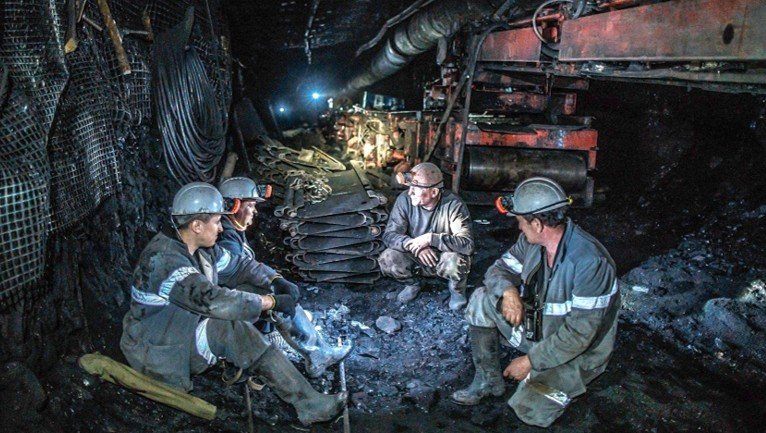
🛡️ Safety: what are you personally ready to do for safety?
Priorities change when production targets are falling behind, and values are compromised when a crisis hits. Why true safety culture begins not with declarations, but with everyone's personal choice — and what you can start doing in your workplace today: personal example, stopping unsafe actions, honest conversation, and searching for solutions instead of culprits.
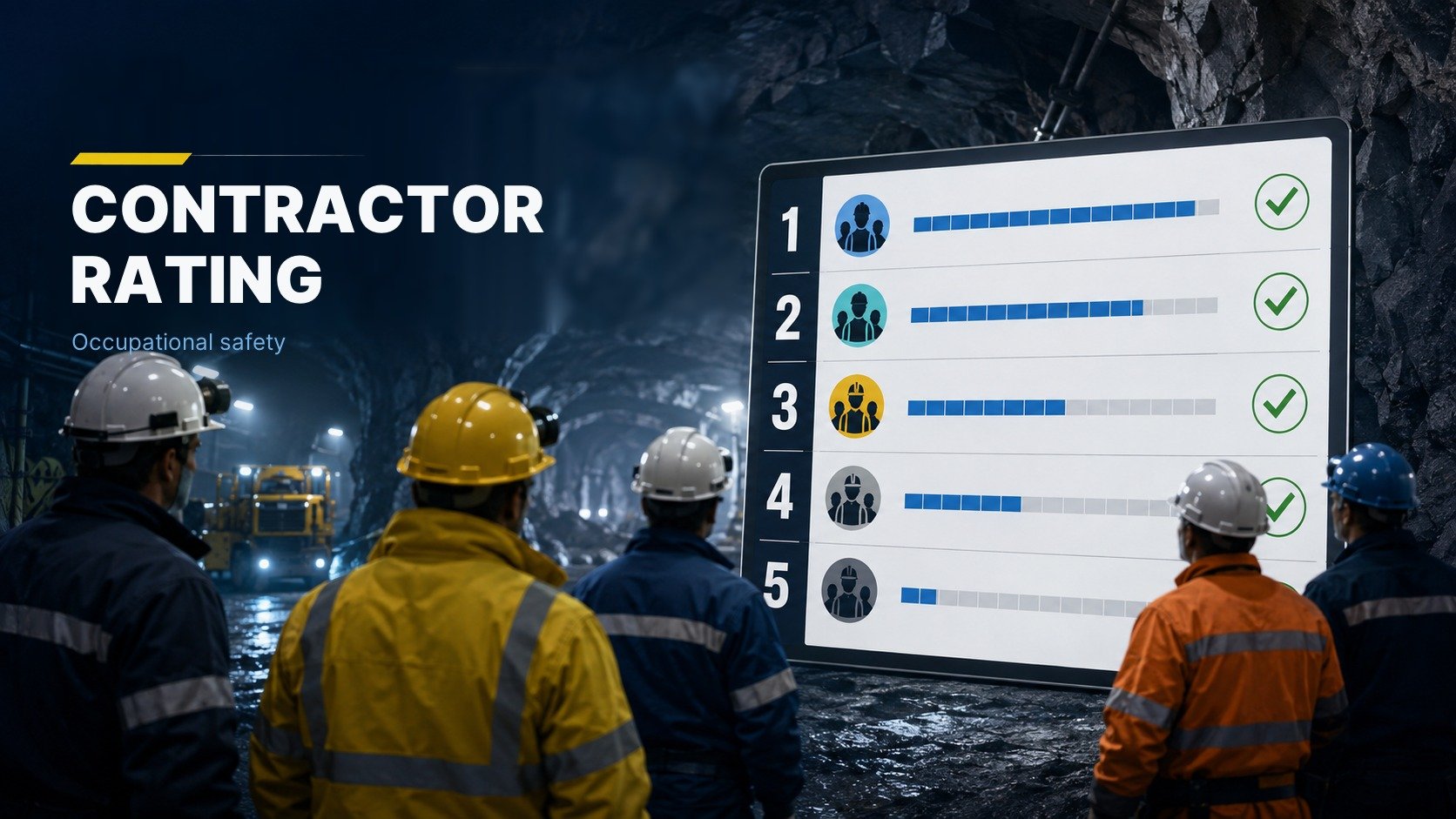
How to turn contractor control into a development system: creating an occupational safety rating
Experience in creating a contractor rating for industrial safety and occupational health and safety: three data sources — work executor assessment, control and preventive inspection, and management system audit — a management cycle instead of one-off inspections and pre-pilot results at a mine: 23 organizations, 36 contracts, growth of the median score of repeat audits from 73 to 91.
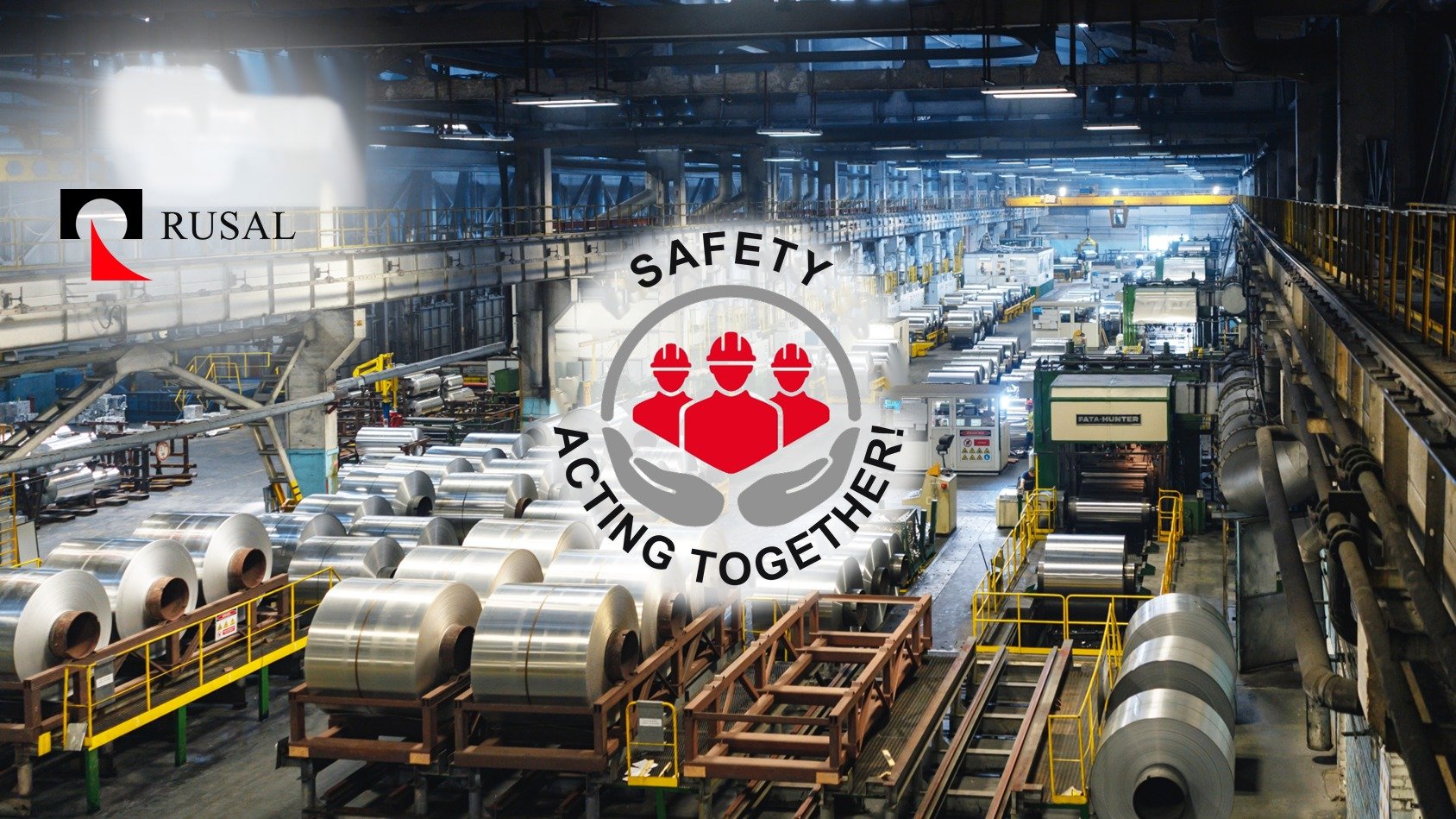
🛡️ Safety: “Safety: Acting Together” (UC RUSAL) — sharing my experience
Experience in building a corporate industrial safety and occupational health management system in the Downstream Division of UC RUSAL: 11 enterprises, about 8 thousand employees, five years of consistent work — and a 7.3-fold reduction in injury frequency, employee engagement of 42%, and a more than 6-fold increase in hazard elimination.

AI Agents in Health and Safety
A chatbot carries out one instruction and stops; an AI agent drives the task through to the result. We compare the two on a real end-to-end fatal accident investigation — and explain why managing agents is becoming a skill everyone needs.
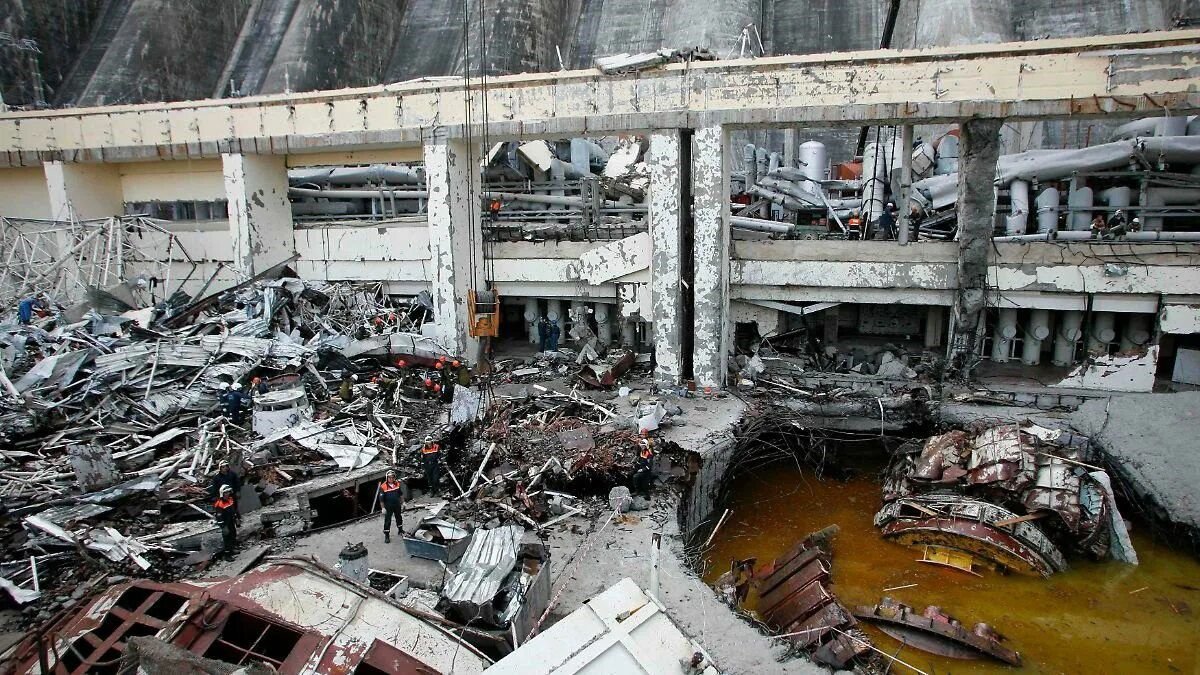
🛡️ Safety: The Sayano-Shushenskaya Dam Disaster Through the Lens of Process Safety
On 17 August 2009, 75 people died at the Sayano-Shushenskaya hydropower plant. We break the accident down element by element against Process Safety Management — and show why the disaster was predictable.
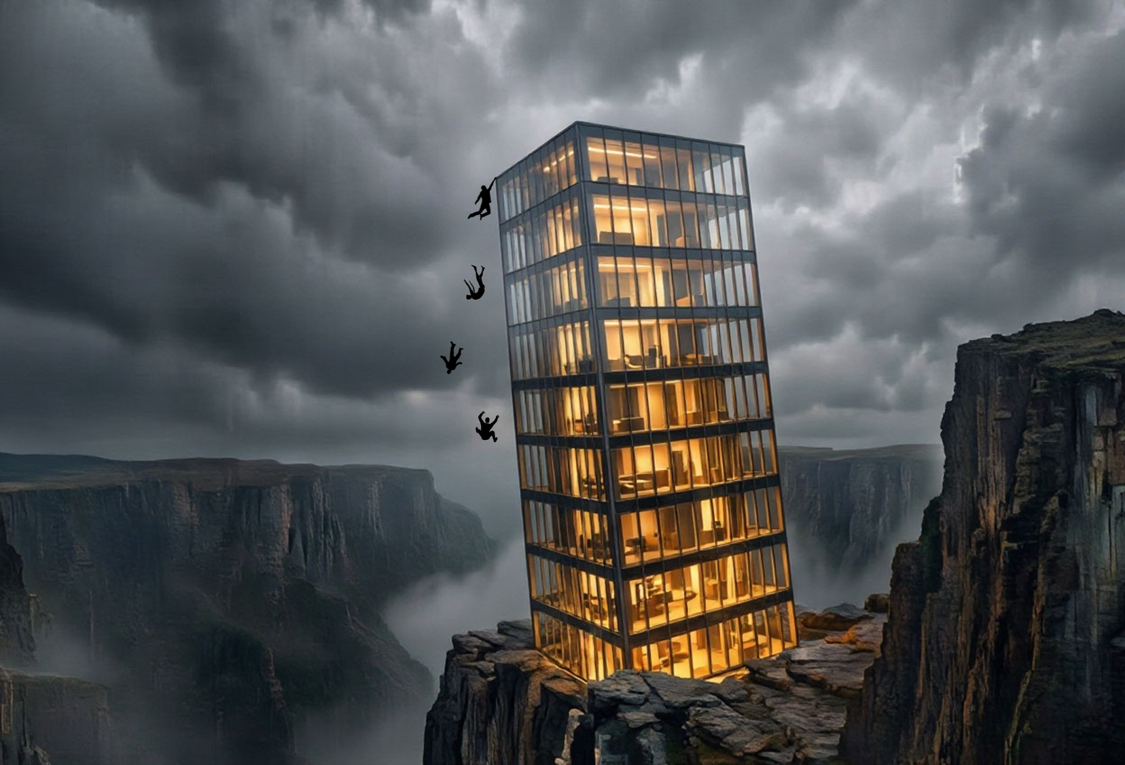
🛡️ Safety: When Business Becomes a Game of Fire
Occupational health and safety is not just a formality, but the main indicator of business health. Find out why ignoring safety issues puts a company on the brink of an abyss and how true leadership helps build a reliable corporate culture.

🛡️ Safety: Unpacking the System
Over 30+ years of working in HSE, I have seen a wide variety of 'assemblies' of occupational health and safety and industrial safety management systems. How is an effectively functioning mechanism of such a system structured? Let's unpack this box!
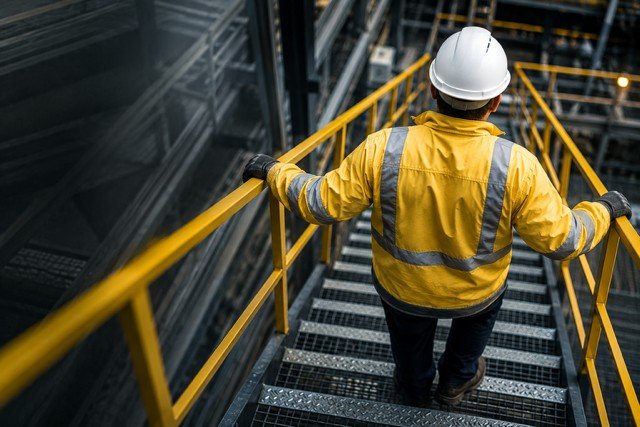
The Handrail: Your Silent Safety Colleague
A handrail on a staircase is not a formality, but a real barrier between a loss of balance and an injury. We analyze fall statistics, regulatory requirements (OSHA), and the experience of major companies (TotalEnergies, Rosneft, Severstal) in embedding the habit of holding onto the handrail into corporate culture.

🛡️Safety: When Crisis Tests Leaders' Resilience
During periods of economic crisis, companies often try to save on safety, considering it secondary. Why this is a fatal mistake for business and how a leader can maintain the achieved level of safety culture, preserving team trust and operational discipline in storm conditions.
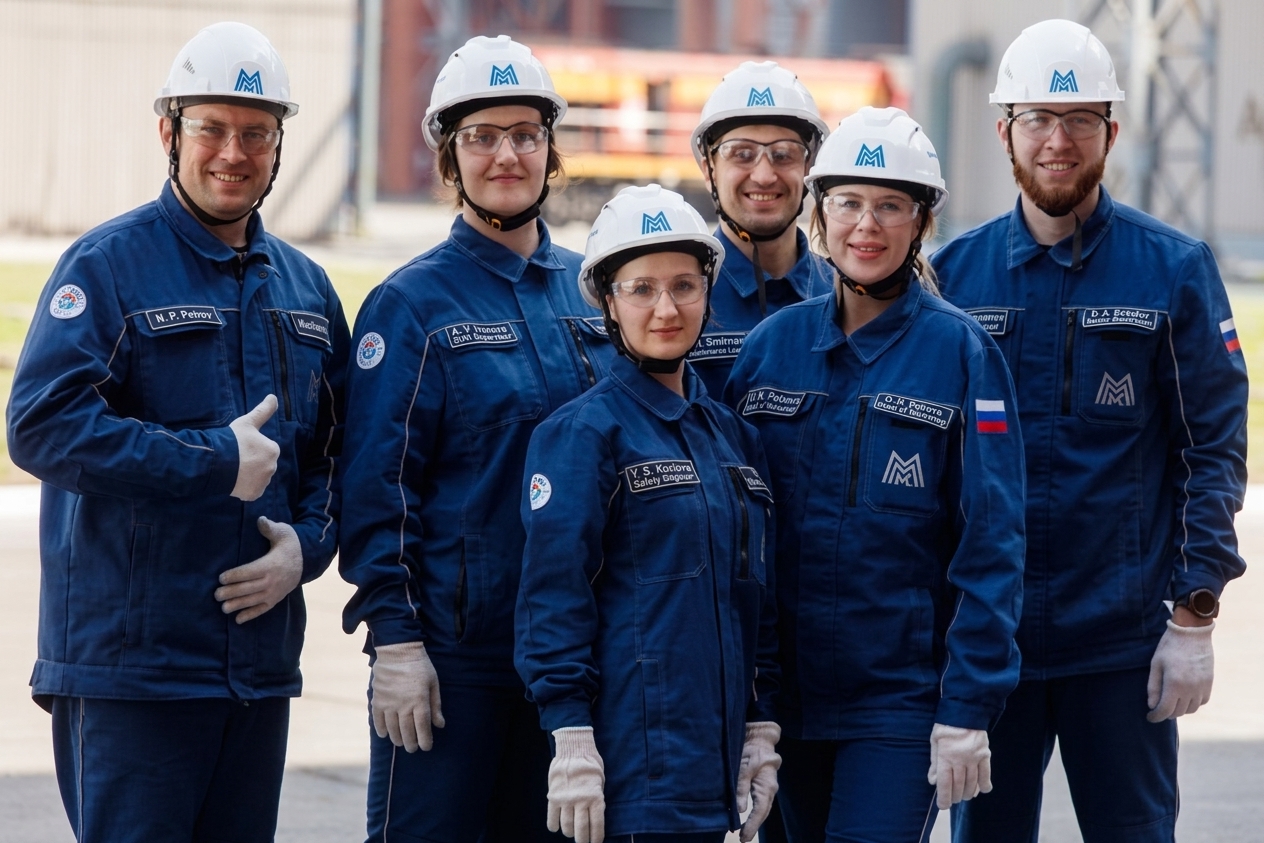
Dynamic Risk Assessment in Metallurgy: Three Rules of Preventive Safety
Find out how dynamic risk assessment (DRA) is changing the approach to safety in metallurgy. Three key rules for continuous workplace threat analysis that help prevent accidents in extreme production environments.

🛡️ Safety: HSE Induction Video — Sharing Our Experience
How to create an effective video for introductory occupational health and safety training without huge budgets? We share real experience of creating a video on our own: from idea to implementation for 3,000 rubles. Find out how to improve training quality and save specialists' time.