#Contractors
Managing safety when working with contractors. Complex interaction systems: from pre-qualification (PQ) to final audit. Cases on introducing safety passports and digital access systems for contractors at industrial sites.

Contractor Engagement Practices
A comprehensive contractor safety management system at high-hazard facilities. Includes integrating HSE requirements into contracts, implementing 12 life-saving rules, 5S, DROPS, scaffolding and lifting accessories control, and digitalizing high-risk and SIMOPS control.

Communication Bridge: Secrets of Productive Communication with Contractors at Every Stage
A multi-level communication system with contractors at all stages of interaction. Includes assessing leadership engagement at the start, induction training, regular meetings of various levels (from daily to annual), and forums for idea generation.

Control Architecture: How the System of Curators and Coordinators Changes Safety Culture and Business Efficiency
Implementation of a curator and coordinator system for managing contractor safety. Transferring responsibility for contractor admission and control to technical customers and on-site managers using checklists and linking KPIs to safety performance.


Contractor-Client: Interaction in Safety Matters
A systematic approach to managing the safety of contracting organizations at all stages of interaction. The practice includes differentiating contractors by risk level, auditing at the tender stage, joint training and admission, and applying positive motivation tools instead of fines.

The Power of Partnership: When a Contractor Becomes a Co-Author of Improvements
Organizing corporate healthcare at remote industrial sites through partnership with a medical organization. Implementation of telemedicine, automated pre-trip inspections, and on-site medical screenings to improve the quality of employee health monitoring.

Unified Concept of Cardiovascular Disease Prevention for Employees of Zarubezhneft JSC and Contractors
A unified concept of cardiovascular disease prevention for employees and contractors based on a risk-based approach. It includes self-diagnosis, distribution into risk groups with differentiated control, suspension at high risks, as well as informal engagement methods such as the "Health School" and gamification.
Contractor and Supplier Safety Management
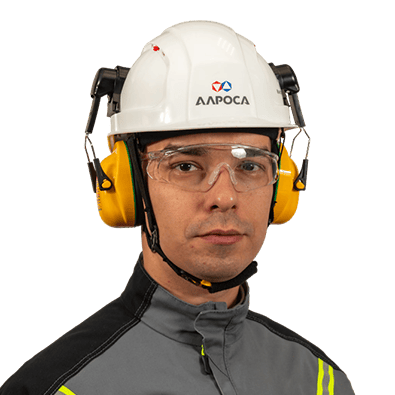
The article is dedicated to ALROSA's updated approach to managing occupational health and safety and industrial safety among contractors and suppliers. The unification of uniform requirements made it possible to triple the passing threshold for reputable organizations, weed out suspicious counterparties, and reduce the costs of verifying them by 30%. The material also shows how regular supplier audits help identify operational safety violations in a timely manner and make decisions to terminate...

Safety Practices During Scheduled Preventive Maintenance
A comprehensive approach to safety management during scheduled preventive maintenance (SPM), including preventive practical training ("Safety Weeks") and weekly mass gatherings ("Safety Assemblies"). The practice aims to engage regular staff and contractors, increase risk awareness, and build a zero-injury culture through visual training, public recognition, and a feedback system.

Risk-Free Startup: How to Integrate HSE into Project Management at the Earliest Stages
Integrating HSE requirements into project management processes at the design and commissioning stages. The practice includes standardizing technical specifications, mandatory expert review of high-risk procurement, and implementing multi-stage safety checks during equipment installation and comprehensive testing using digital checklists.

Mentorship of Contractors as an Ecosystem of Trust and Safety Culture
Implementation of a contractor mentorship system where each contractor is assigned an active line manager. The mentor builds a partnership dialogue, jointly manages risks, and controls safety through regular meetings and digital dashboards.

Measures to Eliminate Risks When Working at Height
A comprehensive approach to reducing risks when working at height, including organizing a ladder testing area, implementing anchor systems, and creating a training ground. The practice aims to eliminate the use of faulty equipment, ensure continuous fall protection, and develop practical evacuation skills.

Comprehensive Intelligent Security and Fire Protection System
Creation of a specialized fire protection systems control service and implementation of a comprehensive intelligent security system. Integration of disparate systems (fire alarms, video surveillance, access control, personnel positioning with smart bracelets) into a unified platform for prompt incident response and audit automation via mobile checklists.