#Human factor
Error governance and diluting the human factor over operations. Installing barriers offsetting cognitive illusions or lethargy. Features ergonomic error-proofing (Poka-yoke) wiping away the desire to cut corners.

A Leader Who Isn't Afraid to Take Off the Tie and Step Into the Worker's Shoes!
Safety culture does not begin with orders, but with personal example and trust. Find out why it is important for a leader to "step into the worker's shoes", how real on-site experience helps identify hidden risks, and why standards alone are no longer enough for effective occupational health and safety.

🛡️ Safety: Where Does It Begin and End?
Workplace safety is not a one-time check mark after an audit, but a continuous process of daily decisions made by every employee. Find out why a real safety culture is formed at the very top and how corporate priorities force people to “cut corners”.
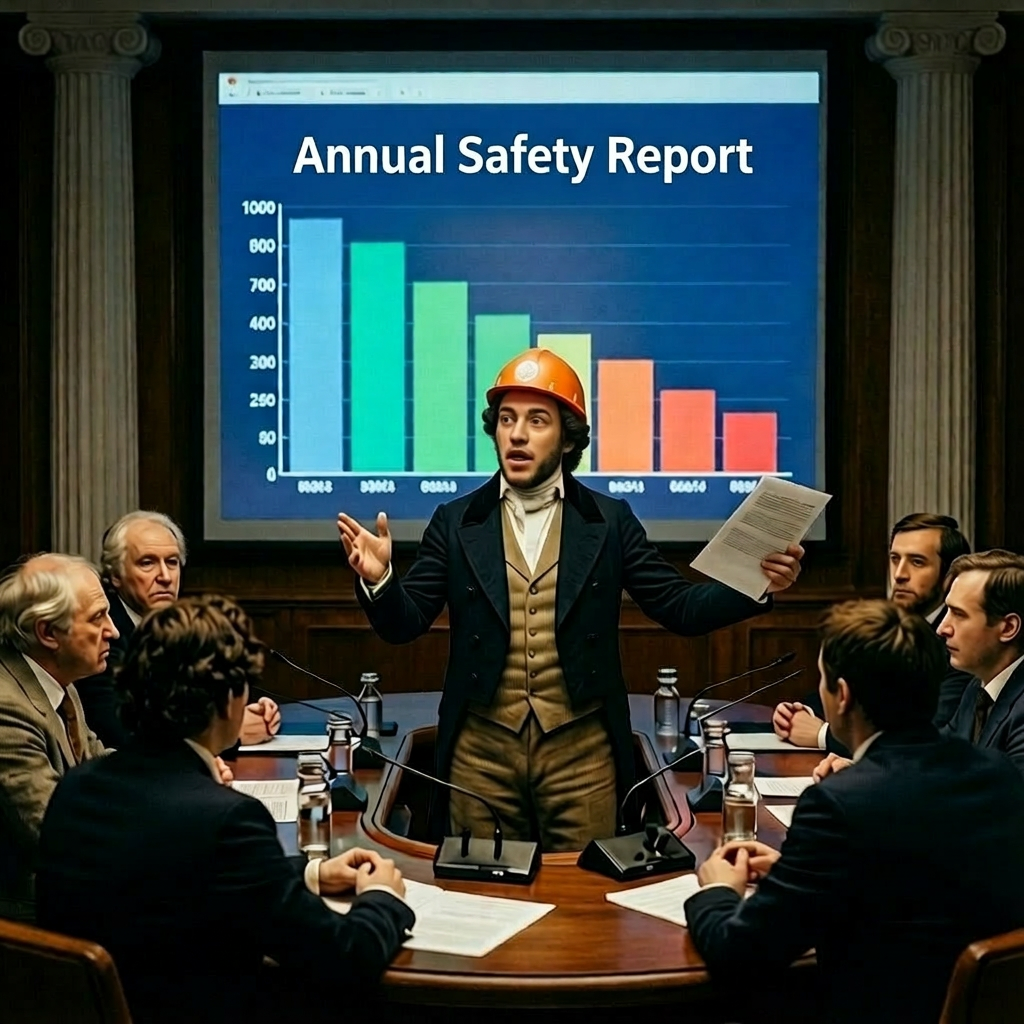
🛡️ Safety: Is the "Polished Reports" Disease Curable?
Why are “polished” reports that hide real problems so popular in the field of occupational health and safety and industrial safety? We examine where this corporate disease comes from, why technologies like AI won't save the situation, and how a leader's personal example can change safety culture.

🛡️ 𝐒𝐚𝐟𝐞𝐭𝐲: Fasten Your Seatbelts
In an economic crisis, industrial companies cut HSE budgets, returning to "paper" safety. Find out why abandoning a safety culture leads to management degradation and how a long-term anti-crisis strategy will help preserve the business.

Principles of Leadership Development
Implementation of leadership principles and the Human Performance concept into the daily operational activities of an enterprise. The practice includes moving away from a culture of blame in favor of systemic root cause analysis of errors and the formation of psychological safety within the team. The process is aimed at integrating safety standards into the overall business management system and eradicating tolerance for violations to prevent a dangerous "new normal."

Destructive Thinking Patterns: Who Hides the Truth During Investigations
A methodology for internal incident investigations that eliminates experts' cognitive biases. The approach is based on perceiving a person as an adapter of an imperfect system, rather than a mechanism, and avoiding evaluative words when formulating root causes.

Understanding the Human Factor as the Primary Source of Accidents and Injuries in Mining Enterprises
The article considers the human factor as the main source of accidents and injuries at mining enterprises, pointing out that a repressive policy toward workers does not increase production safety. The author shows that most violations of safety rules are caused by deficiencies in process organization on the part of management, rather than by worker discipline. Using examples of real management practices, it is demonstrated how responsible risk control and systematic production preparation make i...

Side Rearview Mirrors: A Distance That Costs Lives...
The article explains why the inscription “Objects in mirror are closer than they appear” is applied to the right side mirror of a car and how the convex shape of the mirror expands the field of view. Due to the characteristics of the spherical mirror, the driver can make a mistake in estimating the time to collision by 0.5 seconds. The material describes the purpose of this safety measure and reminds of the need to additionally check “blind spots” by turning one's head.
Conscious Safety. Myth or Reality?
The material examines an approach to conscious safety in production, formed through the knowledge and skills of the employee. The author analyzes key types of attitudes toward rule compliance — 'prisoner', 'vacationer', and 'partner'. The publication helps to understand how a personal choice in favor of safety affects professionalism and the preservation of employees' lives.

Psychological Tools for Conducting Targeted Briefings
The article considers the human factor as one of the main causes of occupational injuries and proposes moving to a qualitatively new level of safety. The author explains how conducting targeted safety briefings in the form of an active dialogue and with a positive emotional background helps manage employee attention. The material shows that changing the format of safety briefings allows workers to independently identify risk factors and consciously apply safety measures.

Real-Life HSE
The author shares personal experience working as an occupational health and safety specialist with three types of employees and their different perceptions of safety rules. The material shows how individual tactics — from analyzing archived accidents to paying attention to the health of office workers — help build effective interaction. The article explains why the specialist's task is not control, but integrating safety into the work culture of production.

Defensive Driving: A Reliable Barrier to Reducing Traffic Accidents
The article reveals the essence of defensive driving — a set of actions aimed at preventing dangerous situations and reducing road accident rates. The material considers practical safety elements, including forecasting the road situation, visual scanning, maintaining distance, and taking weather conditions into account. The description of these principles explains how driver attentiveness reduces traffic accident risks and helps companies develop a corporate safety culture.