#Safety culture
Development of a proactive safety culture in production: mindful leadership, motivation programs, contractor engagement, and addressing the human factor. Transitioning from reactive oversight to integrated risk management practices.

New Horizons: Modern Methods and Events for Enhancing HSE Culture
The illusion of safety and the characteristics of modern thinking reduce people's vigilance, posing a challenge for occupational health and safety specialists to update their approaches. The article presents effective formats and approaches to developing a safety culture — from interactive activities, VR simulators, and artificial intelligence solutions to CSR projects and cross-functional collaboration. The use of innovations helps increase employee engagement and improve information perception...
HSE in Action: Key Aspects of Employee Engagement in Safety
The article reveals the reasons for the general lack of interest in the topic of safety and the factors that determine employee motivation to comply with the rules. The material examines applicable personnel engagement practices, from testing upon hiring to joint risk management and informing. The application of these methods contributes to the popularization of occupational health and safety and increases worker involvement in safety issues.
Secrets of Success: HSE Leadership Strategy in Shaping Safety Culture
The article reveals the role of safety culture and occupational health and safety as fundamental components of the successful operation of modern companies. The material explains how the leadership of managers and occupational health and safety services, employee engagement, and the development of soft interaction skills help control risks and transform business processes. The author shows that authoritative leadership requires working on oneself and changing one's mindset to ensure the safety o...

Implementation of an Integrated Safety Barrier System
Implementation of an integrated safety barrier system at a petrochemical enterprise. Includes a vertically integrated risk management system, practice-oriented training, targeted audits, personnel engagement through safety championships, and intelligent video surveillance for PPE control at heights.

Ways to Improve Operator Professional Reliability to Prevent Injuries and Errors Affecting Equipment Integrity (Using the Example of the Nitrogen Industry and Air-Breathing Engine Testing)
Integrating psychological support and VR simulators into the HSE management system to improve operator professional reliability. Implementing a multi-level psychological filter during hiring and pre-shift control, as well as using stress scenarios in virtual reality to practice reflex skills for safe behavior.

Safe Work Culture as an Employee's Personal Priority
A comprehensive communication program to form a conscious attitude toward safety. It includes engaging five-minute safety talks, per-shift risk assessments via a mobile app, behavioral audits, and a motivation system for personnel and contractors.

Our Approaches to HSE Training Require Changes
Transformation of HSE training approaches through simulated methods and gamification. Using interactive warm-ups, business games, situation analysis, and proprietary board/floor games to engage managers and workers in the learning process and realize the value of safe behavior.

Roadmap for Deploying an Enterprise Operating System in HSE
Implementation of a five-level roadmap for integrating HSE into the enterprise operating system. The practice includes the phased development of processes from basic data registration to creating an accessible environment, working with medical center visit microdata to improve ergonomics, as well as visual management and multi-level risk assessment audits involving line managers and workers.
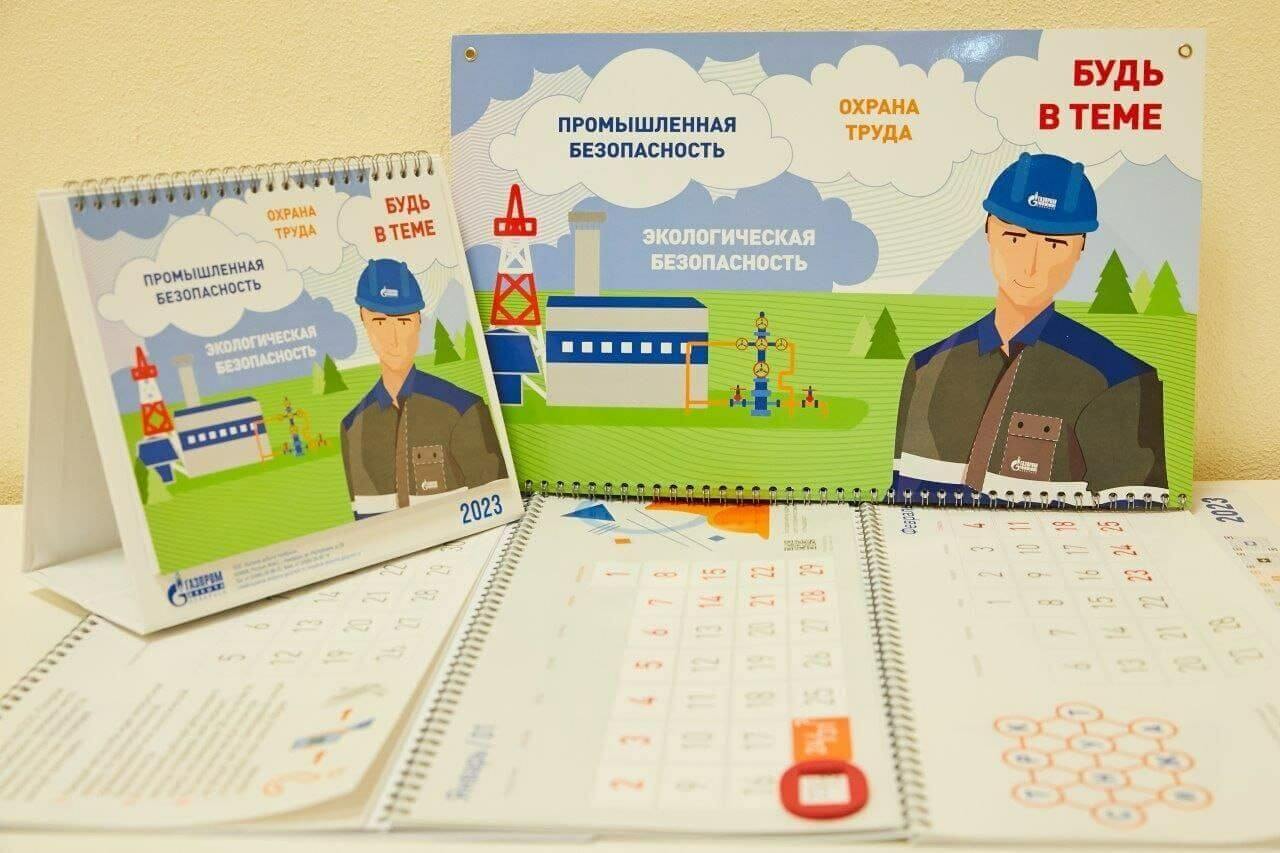
In the Company of Creative Colleagues!
The article describes the experience of developing a safety culture at an enterprise through communication channels and employees' creative initiatives. The material explains how corporate media publications, creating comic calendars, and implementing gamification help convey occupational health and safety rules in accessible language. The use of non-standard formats increases employee awareness and raises their involvement in the conscious compliance with industrial safety rules.

Movie Minute
Using clips from movies and TV series in briefings and training helps evoke additional affinity among listeners toward the material being received. The article provides examples of films about safety, the development of safety culture, risk assessment, and the work of rescuers. The featured movies and TV series can be used in the educational process, as well as watched for general development and boosting one's mood.

Developing Corrective Actions
When risks and deviations are detected, it is important to search for their systemic causes, rather than limiting oneself to a one-time elimination of the consequences. The article examines the application of the 'Hierarchy of Controls' tool, which allows for a sequential evaluation of the problem at different levels. The material helps select appropriate engineering or administrative measures, taking into account the ratio of their effectiveness and investment for the complete elimination of ri...

Safety Culture (Part 3): Health Monitoring
The article examines the application of digital technologies, such as wearable bracelets for tracking workers' health metrics, video analytics, and electronic document management. The use of certified equipment in explosive environments and automated monitoring makes it possible to minimize occupational risks and eliminate the human inattention factor. The implementation of digital solutions frees up the working time of occupational health and safety specialists for the further improvement of sa...