HSE Specialist: How to Become In-Demand and Keep Moving Forward
The illiterate of the 21st century will not be those who cannot read and write, but those who cannot learn, unlearn, and relearn.
Alvin Toffler
Imagine how much knowledge, expertise, and skills an HSE specialist must possess. The ability to read legal documents and draft local regulations based on them; knowledge and application of technical requirements in occupational health and safety, fire safety, and electrical safety — and for some, industrial safety as well; the ability to train; the ability to sell — their ideas, projects, and programs; the ability to speak, persuade, motivate, comfort, and command... This list is simply endless. And all this in an era of change, under conditions of limited resources and high stress loads.
Young specialists and seasoned professionals alike face the challenge of how to develop and keep up with the times while working in difficult conditions, especially when certain legislative acts, outdated by years or decades, pull you back. How do you instill an understanding of the importance of safety culture in people, not just at work but in their daily lives? How do you convey the value of the HSE function itself to management and employees? And how do you avoid drowning in an ocean of requirements and the need to track constant changes both inside and outside the organization, while learning and developing dozens of skills in parallel, all while making time for family, parents, children, and friends, and finding time for sleep and rest? How do you learn to balance all of this, remaining physically and mentally healthy while being a sought-after professional?
Dale Carnegie once said, "To be interesting, be interested." This applies to the HSE field: if you want to be interesting to employers, be interested in new trends and technologies, acquire new knowledge, learn, relearn, and change.
The first thing you need to do to be in-demand and interesting is to manifest yourself and be recognizable. Many shy away from the term "personal brand," complaining about how tired they are of everyone writing about it. But if you want to be in-demand and recognized, you must be able to attract attention in a positive way. A well-crafted image, a hard-earned reputation based on knowledge, skills, and personal qualities, and the presence of personal and professional value — all of this makes a specialist visible to colleagues and employers, helping to build that very personal brand in the labor market and professional community.
Building a personal BRAND (Fig. 1 Author's breakdown of the "BRAND" acronym) is by no means a simple process; you need to understand yourself, your profession, and your place within it, and figure out what will form the foundation of your personal brand. Here, it is important to think critically and honestly evaluate yourself against others. Remember that the brand is yours, but you create it not only for yourself but for other people — it is how you will be recognized. A personal brand is always a reality: your knowledge, skills, expertise, ideas, position on various issues, and your authority. If you think of any brand you know, whether it's a car, clothing, or technology, they share at least one thing: reliability and efficiency. If you are a "brand-person," no one will doubt your reliability or efficiency; you will be trusted, and in turn, you must justify that trust. Those who created a fictitious brand, unsupported by these conditions, were sooner or later knocked off their pedestals. But those who could show and prove everything through achievements, deeds, and actions continue to develop and grow.
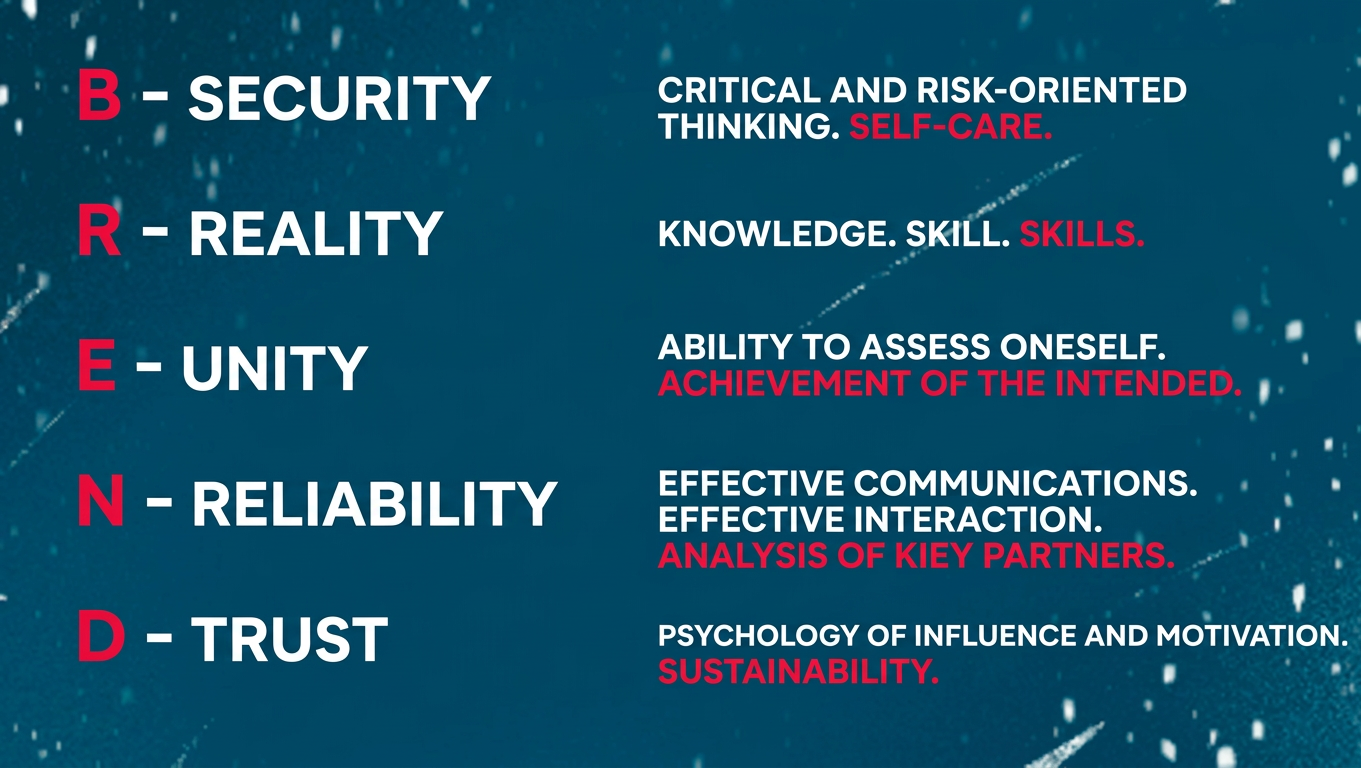
Fig. 1 Author's breakdown of the "BRAND" acronym
But having a personal brand is not everything. Let’s again consider any product that is in demand on the market or among professionals. Packaging and promotion make up a large share of success. You may be an excellent HSE specialist, but if no one knows about you, if you don't make yourself known, you won't become in-demand and recognized. Nowadays, this is solved quite simply: developing social media pages, publishing articles, and speaking at professional platforms — all of this will help you promote yourself and "package" your personal brand. When preparing the "PACKAGING" (Fig. 2 Author's breakdown of the "PACKAGING" acronym) of your brand, be sure to focus on your uniqueness, capture the audience's attention with your authority in the professional community, be creative (but in moderation), be responsible for what and how you offer, and definitely show the breadth and depth of your capabilities, providing potential employers, colleagues, or partners with a choice regarding your products, skills, and expertise. Then the lyrics "they choose us, we choose..." will end with everything aligning, and the stars will align for you and the partners — be it an employer or the editor of a professional journal — that you want to find.
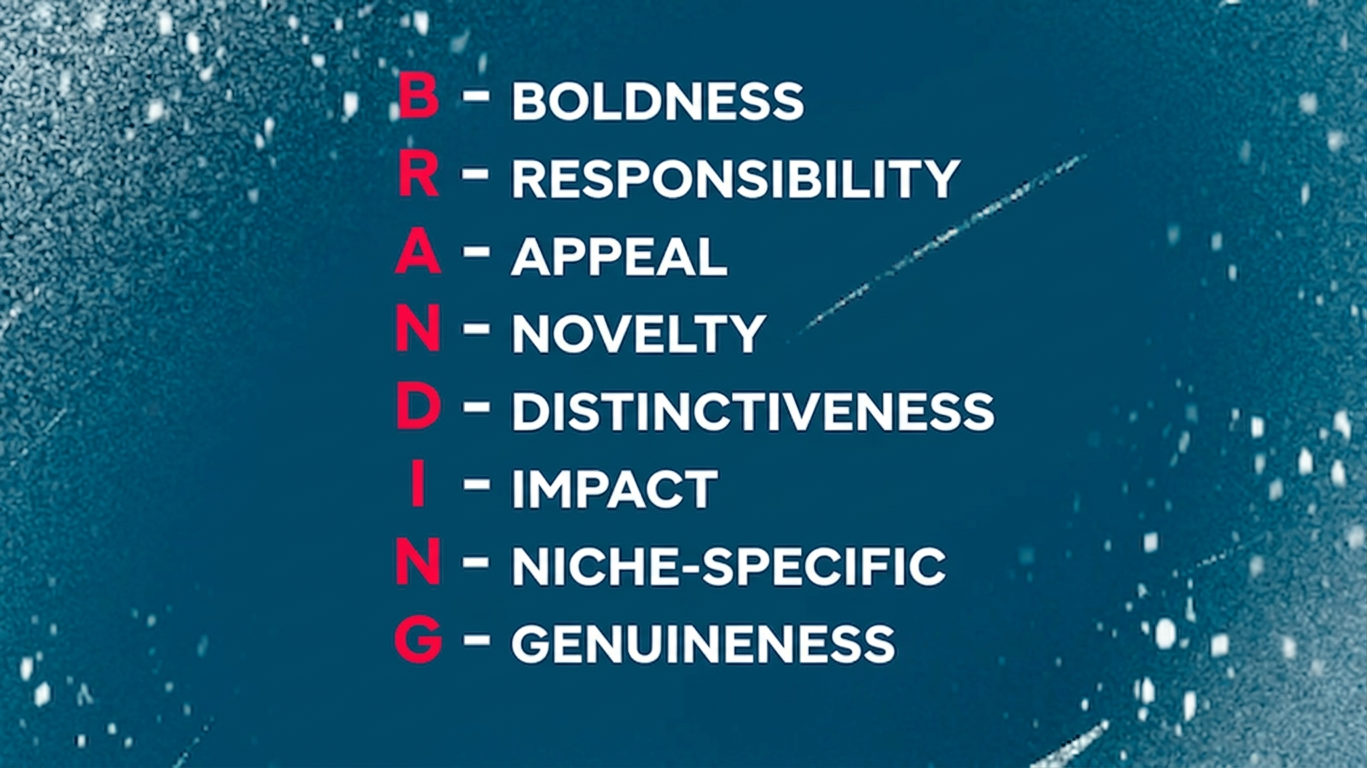
Fig. 2 Author's breakdown of the "PACKAGING" acronym
But once you've created a personal brand, it doesn't mean you can stop there — unless, of course, you plan to retire and devote yourself to fishing, gardening, or lying on the couch.
One of the key conditions for the success of an in-demand specialist is continuous learning, as Brian Tracy wrote: "Continuous learning is the key to success in the 21st century. Lifelong learning is the minimum requirement for success in your (and any other) field of activity."
But continuity alone is not enough; quality training is also important, as is learning within the vector of your development. There are so many different courses, trainings, and gamified learning solutions now. People attend them, spending their money, energy, and most importantly, time, but they don't always understand why they need it all.
So, the first rule of effective learning:
- I know why and for what purpose I need everything I learn and discover
- I know where and how I can apply it.
There will be times when you don't understand why you need something at all — think back to school and university years when we studied many subjects that seemed useless. However, another aspect to consider is that some knowledge may come in handy later, and the cognitive process itself — acquiring even seemingly unnecessary knowledge — develops different types of skills.
Various sources now provide information on skills; we have combined all types of skills into a kind of system that we suggest following when developing and training specialists in various fields. (Fig. 3 Author's vision of the skills system existing at the moment – authors T. Borisova, S. Sukhorukova).
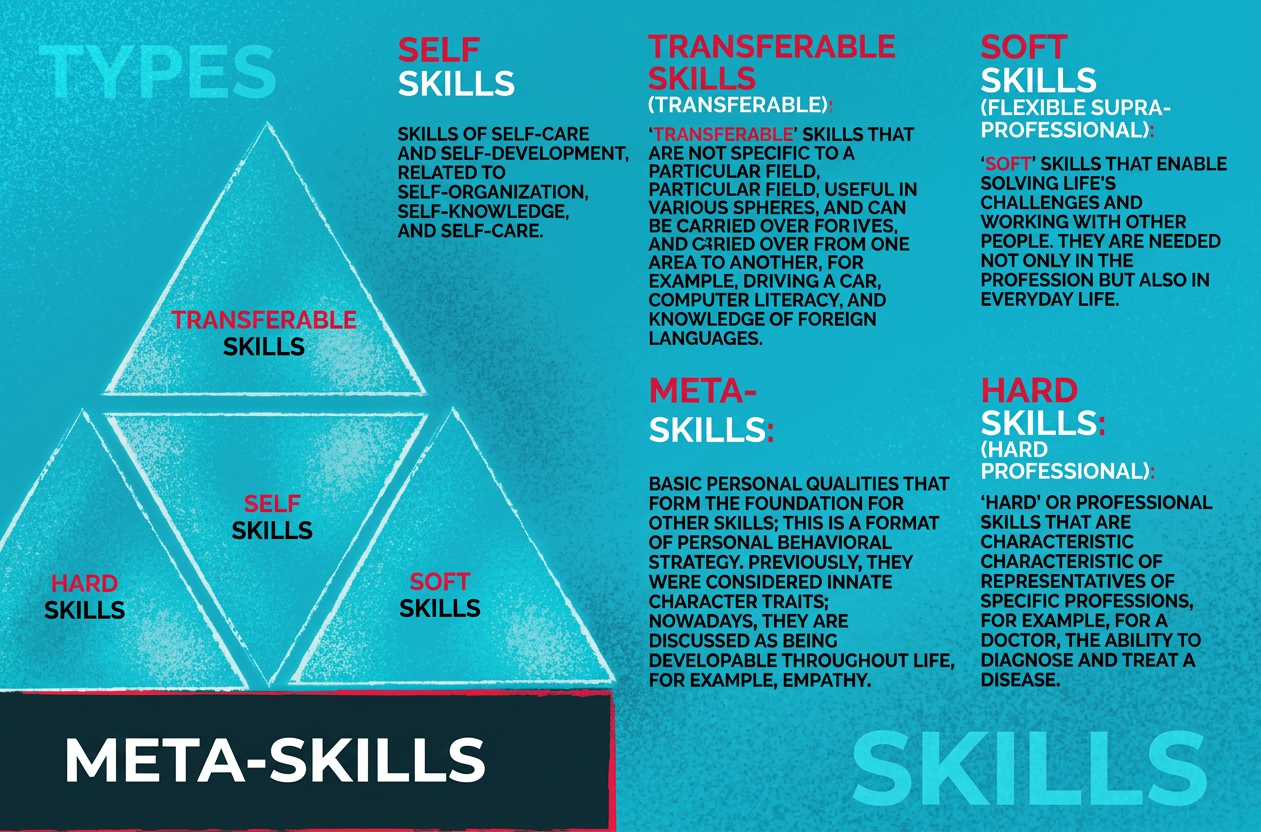
Fig. 3. Author's vision of the skills system existing at the moment – authors T. Borisova, S. Sukhorukova
In this article, we will not examine the groups and their constituent skills in detail; our goal is to show HSE specialists the volume of work to be done and what needs to be developed to achieve success in the profession. It remains to answer the question of how to develop:
- what is not yet developed or not developed at the proper level;
- several skills at once, as is often necessary;
- in the shortest possible time and with moderate costs, while dedicating time not only to work and study but also to family and oneself.
And here it is worth remembering the words of Henry Ford, who said that "Nothing is particularly hard if you divide it into small jobs."
So, we will break this complex task into parts:
The first stage is diagnosis. You will need to understand yourself. It is not easy for a person to do this without outside help, as tunnel vision and a one-sided view of the situation hinder us. HR staff, career consultants, and coaches can help with diagnosis, and if you discover fears, anxieties, burnout syndrome, or other issues, a psychologist can help as well.
The second stage is the development of an Individual Development Plan (IDP). Every person is unique, and their development is unique. All of this must be taken into account when creating an individual educational trajectory within the vector of personal development. If you learn here and there without a system, the result may be far from what you hoped for and expected.
And the third stage will be putting the plan into action. You won't get far lying on the couch dreaming of success. As Antoine de Saint-Exupéry said, "A goal without a plan is just a wish." Specific, purposeful, time-bound actions with result tracking, and also working on mistakes. As S. Vantal wisely said: "If you stumble and fall, it doesn't mean you're going the wrong way."
We see that becoming an in-demand professional is a journey. It is difficult, and you may encounter many obstacles; there may be a desire to stop, turn off, or turn back. And as on any journey, if you are alone, it is hard, but if you have helpers — a mentor, coach, guide, or colleagues — the path will not be frightening; they will support you, and you will be able to reach heights and summits. Go for it, and everything will work out!