Expert Blog

Observation Wells at Waste Disposal Facilities
The article clarifies the necessity of obtaining permit documentation during the installation and operation of observation wells for groundwater monitoring at waste disposal facilities. The material examines in detail the procedure for issuing an open-ended subsoil use license and regulatory requirements for the preparation and approval of technical designs for underground structures not related to mineral extraction. The publication guides environmental specialists through the requirements of the Law of the Russian Federation "On Subsoil" and subordinate acts when organizing environmental monitoring.

Who Are You, HSE Specialist?
The article reveals the key role of an occupational health and safety specialist in the context of the evolution of production and work processes, where ensuring employee safety becomes a priority. The material explains what exactly this specialist does and how a wide variety of roles combine in a single profession — from lawyer and analyst to psychologist and investigator. The publication shows the multifaceted nature of this work and explains what knowledge and skills an expert needs to protect workers from risks.

Workwear Update at JSC Russian Railways
The article discusses the systematic updating of special clothing and footwear at JSCo "RZD" based on market research and employee feedback. The material examines changes in the 2020–2021 technical specifications, including ergonomic redesign, the implementation of high-visibility materials, and the expansion of the women's line. Data from monitoring the quality of PPE are also presented, demonstrating a high rating of the new sets by the company's employees.
Application of VR Technologies
The use of VR simulators at JSCo "Russian Railways" (OAO "RZD") allows employees to gain experience in simulated production situations while remaining in safe conditions and consolidating safe behavior skills. To date, more than 20 types of simulators have been implemented for track maintainers, locomotive drivers, and other common occupations, and the effects of consequences of safety requirement violations add realism to the training. In the development of this area, the possibility of creating a virtual railway station for group practice of technological operations is being considered.
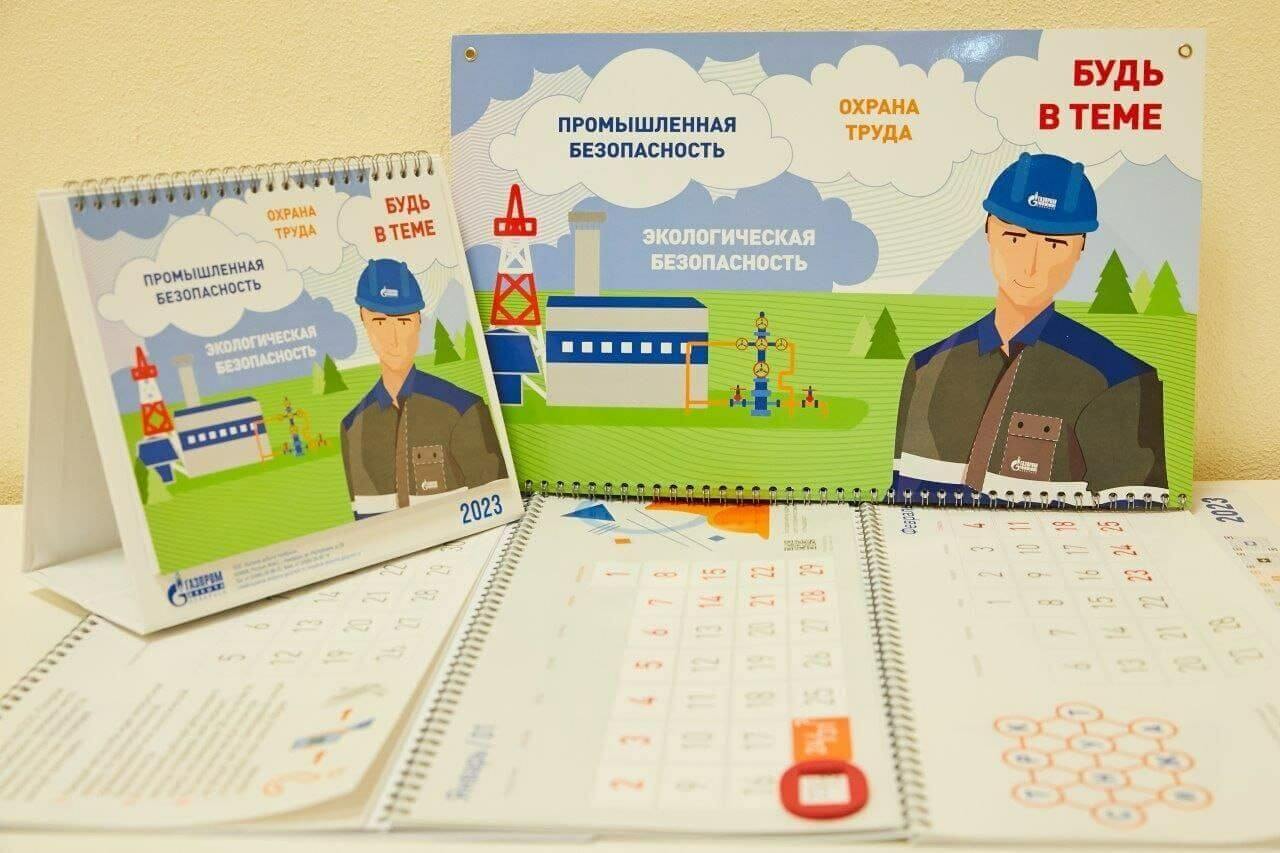
In the Company of Creative Colleagues!
The article describes the experience of developing a safety culture at an enterprise through communication channels and employees' creative initiatives. The material explains how corporate media publications, creating comic calendars, and implementing gamification help convey occupational health and safety rules in accessible language. The use of non-standard formats increases employee awareness and raises their involvement in the conscious compliance with industrial safety rules.

Movie Minute
Using clips from movies and TV series in briefings and training helps evoke additional affinity among listeners toward the material being received. The article provides examples of films about safety, the development of safety culture, risk assessment, and the work of rescuers. The featured movies and TV series can be used in the educational process, as well as watched for general development and boosting one's mood.

Developing Corrective Actions
When risks and deviations are detected, it is important to search for their systemic causes, rather than limiting oneself to a one-time elimination of the consequences. The article examines the application of the 'Hierarchy of Controls' tool, which allows for a sequential evaluation of the problem at different levels. The material helps select appropriate engineering or administrative measures, taking into account the ratio of their effectiveness and investment for the complete elimination of risk.

Safety Culture (Part 3): Health Monitoring
The article examines the application of digital technologies, such as wearable bracelets for tracking workers' health metrics, video analytics, and electronic document management. The use of certified equipment in explosive environments and automated monitoring makes it possible to minimize occupational risks and eliminate the human inattention factor. The implementation of digital solutions frees up the working time of occupational health and safety specialists for the further improvement of safety culture in production.
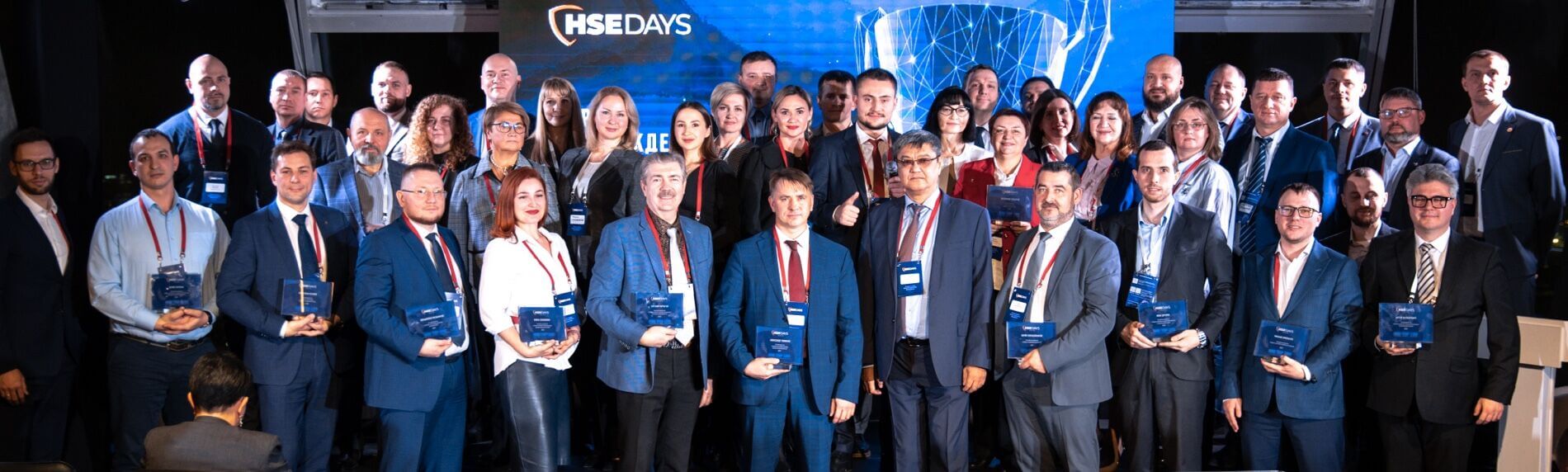
Why Share Experience and Approaches?
The article is dedicated to the value of sharing professional experience and best practices in the field of safety on the HSE DAYS platform. The author explains how open dialogue and presenting one's own developments help to rethink the tools used, receive feedback from colleagues, and contribute to the growth of safety culture. Using the practice "Development of Line Management Through Safety Tools" as an example, it shows how proven solutions can be successfully applied by other companies without the need to reinvent them.

Workplace Inspections: What to Check and How to Miss Nothing? The Safe Work Model and Its Practical Application
The article is dedicated to the practical application of a universal approach to conducting occupational health and safety inspections in workplaces with the involvement of line managers. The author analyzes an international safe work model that helps move away from chaotic control and relies on four key elements: personnel competence, proper procedures, equipment serviceability, and the environment. The described method allows for systematically identifying operational risks in any workplace and not missing important details when assessing the safety of work execution.

Risk Management on Internal Territory
In occupational risk management, attention is often paid only to direct work at workstations, overlooking the hazards of movement around the production site. The article explains why the movement processes of employees, visitors, and vehicles require control due to the high level of potential incident severity. The material examines the main sources of hazards and examples of measures for the timely identification and elimination of risks — from access control systems and floor markings to safety briefings and LOTO procedures for vehicles.
Per-Shift Risk Assessment Checklists: Importance and Benefits for the Enterprise
Shift risk assessment (SRA) checklists allow verifying compliance with occupational health and safety requirements and preparing safe conditions at workplaces before the start of and during a shift. Systematic use of checklists and subsequent analysis of inspections help identify equipment malfunctions in a timely manner, as well as prevent injuries, accidents, and operational disruptions at the enterprise. The article covers the procedure for filling out and verifying documents, employee actions upon detecting risks, and the process of developing measures to eliminate them.