ESG 2.0 Discussion

HSE as a Unifying Factor of the ESG Agenda
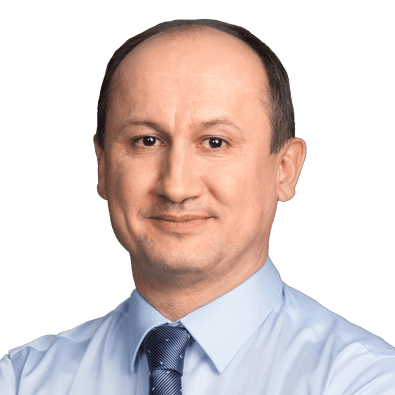
The ESG (Environmental, Social, Governance) concept has long moved beyond formal reporting, becoming a real tool for corporate governance. At the heart of this transformation is caring for people and preserving resources for future generations. Opening the discussion, Pavel Zakharov emphasizes that safety is the connecting link that unites the environmental, social, and corporate vectors of a company's development. For HSE professionals, this means the need to step outside the boundaries of standard instructions and integrate into the global sustainable development strategy.
Management Architecture: Centralization or Functional Approach
During the discussion, the speakers analyze various models for managing the ESG agenda. There is no single standard: some companies create dedicated sustainable development departments, while others distribute tasks among functional managers (environment, HSE, social block) under the direct control of the CEO. To effectively integrate into this system, HSE managers are advised to study non-financial reporting standards, particularly GRI (Global Reporting Initiative). This will ensure data transparency and enable a well-reasoned dialogue with top management about the value of investing in safety.
Environmental Initiatives and Contractor Control
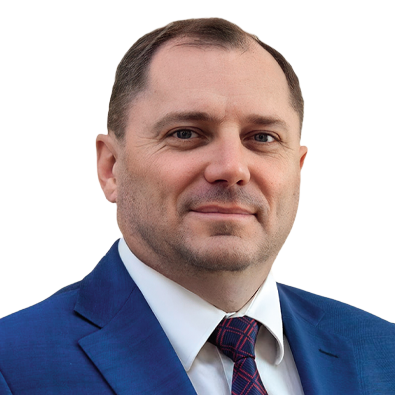
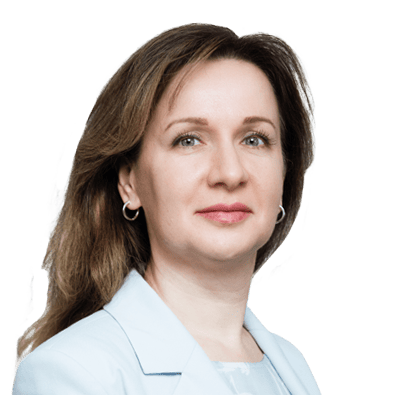
The practical implementation of ESG requires a comprehensive approach to infrastructure and working with contractors. Using large-scale projects as an example, Andrey Lisitsyn shows how the transition to alternative energy sources is carried out: from using solar panels and geothermal pumps to phasing out coal-fired boiler houses by 2030 and developing hydrogen rolling stock in Sakhalin. In turn, Elena Sergeeva shares her experience in implementing continuous emission monitoring systems (CEMS) and gradually involving contractors in greenhouse gas accounting (Scope 2), which is becoming a mandatory condition for working in modern fields.
Process Optimization: Transferring HSE Functions to Shared Service Centers
Special attention in the presentation is given to increasing the maturity of the safety culture and optimizing routine processes. Sergey Kolychev shares a successful case of transferring a number of HSE functions to a corporate shared service center (SSC). The key rule of such a transformation is: "you cannot transfer chaos to the center." The processes of travel management, contractor pre-qualification, collection of training requests, and incident analytics were strictly algorithmized. This made it possible to entrust their processing to professional analysts without a specialized background in HSE, significantly increasing the speed and quality of data processing.
What you will learn from this webinar:
- What ESG agenda management models exist and how does the HSE department integrate into them?
- Why does an HSE professional need to know GRI non-financial reporting standards?
- How to correctly analyze injury rates taking external factors into account (using the pandemic as an example)?
- How to organize greenhouse gas emissions accounting when working with contractors?
- What HSE functions can be transferred to a shared service center (SSC) and how to properly algorithmize these processes?