Risk Management Project
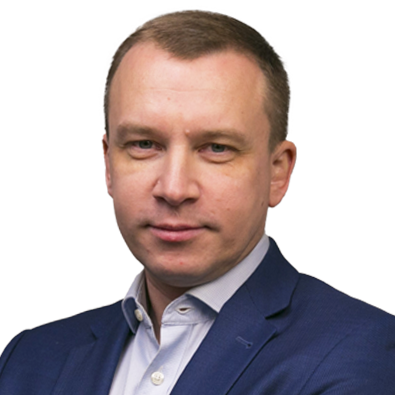
From Formalism to Awareness: Why Risk Management Requires Transformation
Reducing injury rates at large industrial enterprises is impossible without changing the attitude towards safety at all levels — from top management to line personnel. In his presentation, Konstantin Rubin, Vice President for HSE at Evraz, details a large-scale project to transform the risk management system. Using his company as an example, the speaker shows how the transition from formal compliance with rules to conscious risk management made it possible to achieve record figures: a 1.5-fold reduction in the Lost Time Injury Frequency Rate (LTIFR) and 269 days without fatalities at a production facility with over 70,000 employees.
Engaging Employees Through Digital Tools
One of the key success factors was the active involvement of workers in the hazard identification process. The speaker discusses the implementation of a mobile app for recording risks — a tool that allows every employee to quickly report unsafe conditions or actions.
- Simplicity and accessibility: An employee can photograph or describe a risk on their smartphone and receive feedback on the measures taken within 24 hours. This eliminates bureaucratic barriers and increases trust in the system.
- Gamification of the process: The use of game mechanics, such as "risk hunting seasons," makes the process engaging and stimulates user activity. In 5 months, the app gathered 5,000 active users and about 2,000 registered risks.
- Overcoming administrative barriers: Permission to use smartphones for photo recording at the production site required the personal involvement of the company president, highlighting the importance of top-level support for initiatives. The benefits of mass risk identification outweighed the concerns of the security service.
Transforming the Role of Production Managers
The project revealed an important problem: production managers are excellent at managing technological processes, but often perceive safety requirements as a set of complex rules disconnected from reality. The presentation details an approach to simplifying and visualizing these processes.
- Clear algorithms: Complex instructions have been replaced by simple flowcharts and step-by-step operation maps that answer the main question: "What can go wrong?". This helps workers consciously assess risks before starting work.
- Dynamic Risk Assessment (DRA): Implementing the practice of jointly discussing risks with the crew before starting tasks replaces formal briefings and increases the level of engagement.
- Reducing bureaucratic burden: Abandoning ineffective paper procedures frees up managers' time for real work "in the field" — conducting walkdowns, communicating with personnel, and participating in risk assessments.
Infrastructure to Support Changes
Successful implementation and sustainment of results required the creation of a special infrastructure and the allocation of resources.
- Institute of Risk Managers: A team of dedicated specialists (internal trainers) was formed to help production personnel master new tools, provide feedback, and monitor the quality of their application.
- Integration into KPIs: Project goals, including proactive indicators (e.g., the number of identified risks), are included in the performance scorecards of managers up to the Board of Directors.
What you will learn from this webinar:
- How to convince top management to invest in transforming the risk management system?
- How to overcome the resistance of the security service when implementing mobile apps for photo recording of violations?
- Which outdated control procedures can be canceled without compromising safety?
- How to transition production managers from formal control to real risk management?
- What is the role of dedicated risk managers in implementing new safety tools?