#Safety culture
Development of a proactive safety culture in production: mindful leadership, motivation programs, contractor engagement, and addressing the human factor. Transitioning from reactive oversight to integrated risk management practices.
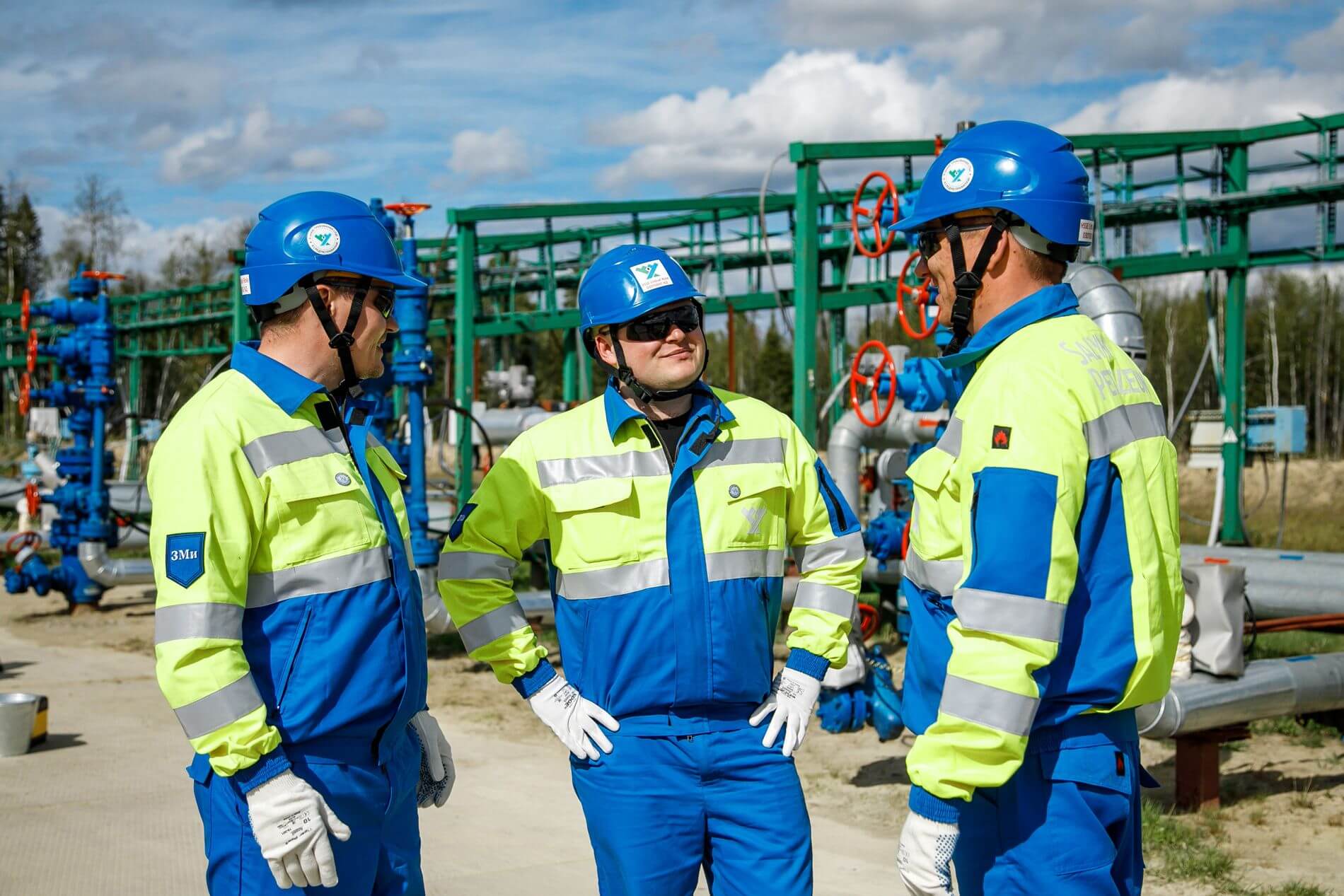
Weekly Safety Talks, or How We Agree to Work Safely
The article examines a practical tool, 'Weekly Safety Talks,' which helps combine leadership with communication in building a safe production culture. The author explains how regular discussions of relevant topics within the team help managers measure employee commitment and identify barriers on the path to zero injuries. The described approach shows how to create an environment where workers are not afraid to openly express their opinions and make remarks to management for the sake of overall s...

Risk-Based Approach to HSE Management with Contractors on Construction Projects
Implementation of a risk-based contractor management system at all stages of the contract life cycle. Practices include pre-qualification, risk assessment before work begins, safety management plans, violation registers, and specialized supervising on construction sites.

Forewarned is Forearmed!
The article examines the experience of PJSC T Plus in attracting employee attention to occupational safety issues using visual internal communication tools. The author describes the creation in 2021 of a themed Pin-Up style calendar, which reminds staff of occupational health and safety rules in an understandable and interesting format. The described approach to conveying information made it possible to focus attention on key safety requirements and reduce occupational injuries in the company by...

The Role of HSE Professionals
Rethinking the role of the HSE professional by elevating their status, reporting directly to the top executive, and developing internal trainers. Practices include implementing proactive KPIs like audits, contractor control, and training line managers to build a safe behavior culture.

TOTAL VOSTOK Shared Its Practice of Interacting with Contractors
According to statistics from the TOTAL group, over the last 10 years, 84% of occupational accidents occur due to the fault of contractor organizations' employees. Maksim Ivanov, Director of the Occupational Health and Safety, Industrial Safety and Environmental Protection Department at TOTAL VOSTOK LLC and expert of the HSE DAYS project, shared practices of effective interaction with contractors. The publication examines methods for evaluating contractor organizations based on documents, inspect...

"In the Beginning Was the Word": How to Form a Target Behavior Model in HSE?
Development and implementation of a VR simulator to practice communication skills during Leadership Behavioral Safety Audits (LBSA). The simulator allows managers to practice establishing contact, conducting dialogues with open-ended questions, and transforming employee mindsets in a safe environment.

Innovations in Preserving Staff Life and Health
Implementation of European safety culture standards through cascade personnel training (17 modules). Transition from financial to non-financial motivation for identifying hazards and using the internal Control Repeat Sector IT system to monitor violation elimination.

Interview with HSE DAYS Ambassador Serik Mazhkenov Published
The HSE DAYS editorial team published an interview with project ambassador Serik Mazhkenov, author of the book "Occupational Health and Safety: Mission Possible". In the article, the author talks about the reasons for writing the book and key practical tools for developing a work safety culture, tested in oilfield services companies in Russia and Kazakhstan. The interview reveals approaches to reducing injury rates, workplace training, and building a balance between business efficiency and the r...

Communication in Occupational Health and Safety
Forming an internal HSE brand through the implementation of an annual communication campaigns plan. Using non-standard formats for personnel engagement, including gamification, quests, interactive simulations, and clear visualization of golden safety rules.

HSE vs. Production. Three Levels of Struggle
A three-level safety management model at an industrial enterprise, integrated with lean production principles. It includes using the "Safety Cross" at the foreman level, holding thematic HSE Days at the shop level, and regular performance analysis by top management. Special attention is paid to investigating micro-injuries using the QRC (Quality Response Control) tool and engaging line managers in risk management.
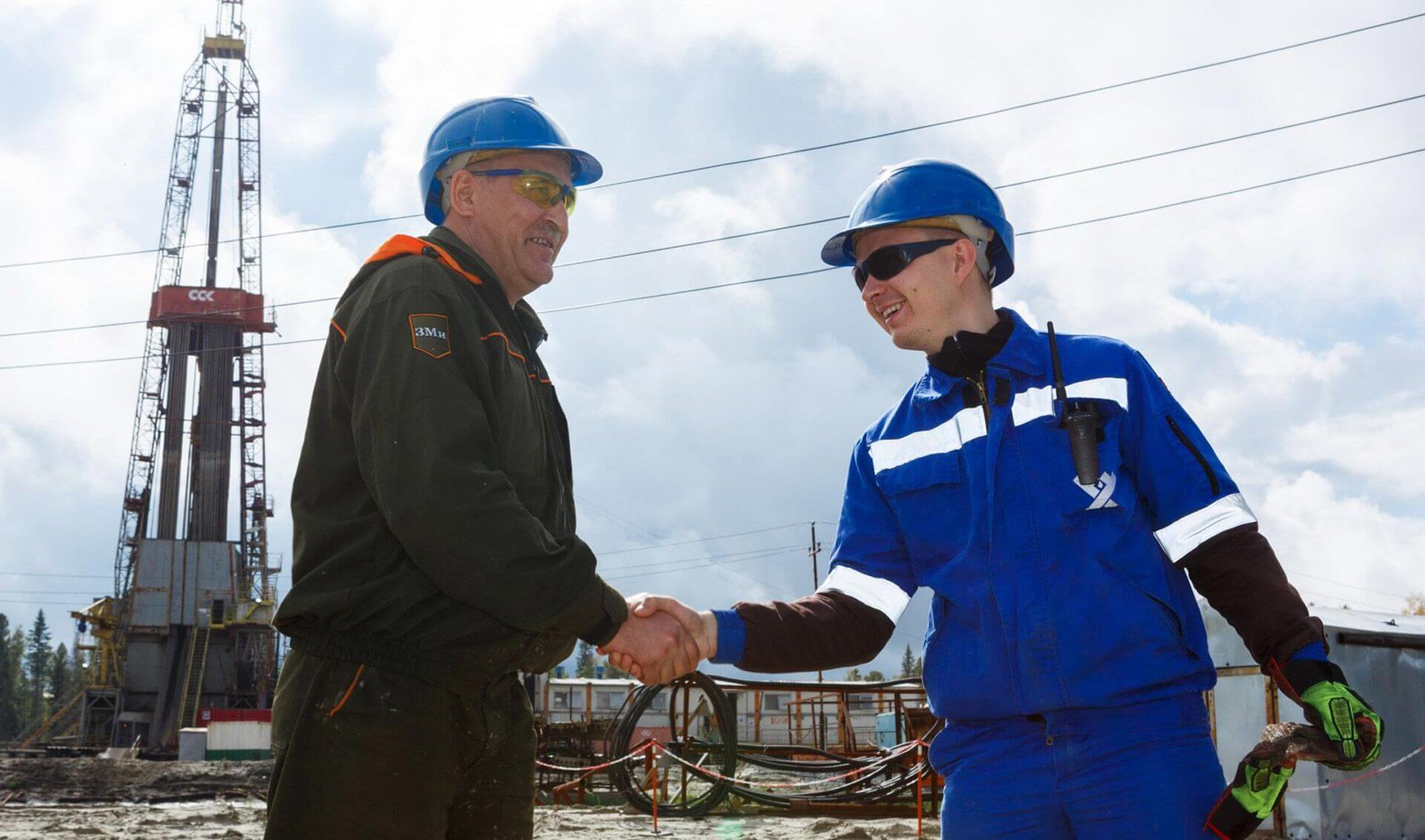
Expressing Gratitude and Shaping Safety Culture
The article is dedicated to forming a Culture of Safe Production through regular praise and gratitude to employees for performing work correctly. The author explains why the human brain tends to notice errors first, and how sincere, specific, and public recognition of success creates a standard of behavior for the entire team. Readers will learn how to develop non-material motivation and the habit of noticing the good in daily work through practical steps.

Key Elements of HSE Strategy in a VUCA World
The article examines the issues of preserving the life and health of workers in the conditions of a changing VUCA world. The global Vision Zero concept and the development of a safety culture, aimed at the long-term achievement of 'Goal 0', become the answer to modern challenges. The material explains how internal alignment of employee actions and leadership serve as strategic tools for organizations to operate without injuries and accidents.