Safe Integration of Industrial Robots into Enterprise Manufacturing Processes
Introduction
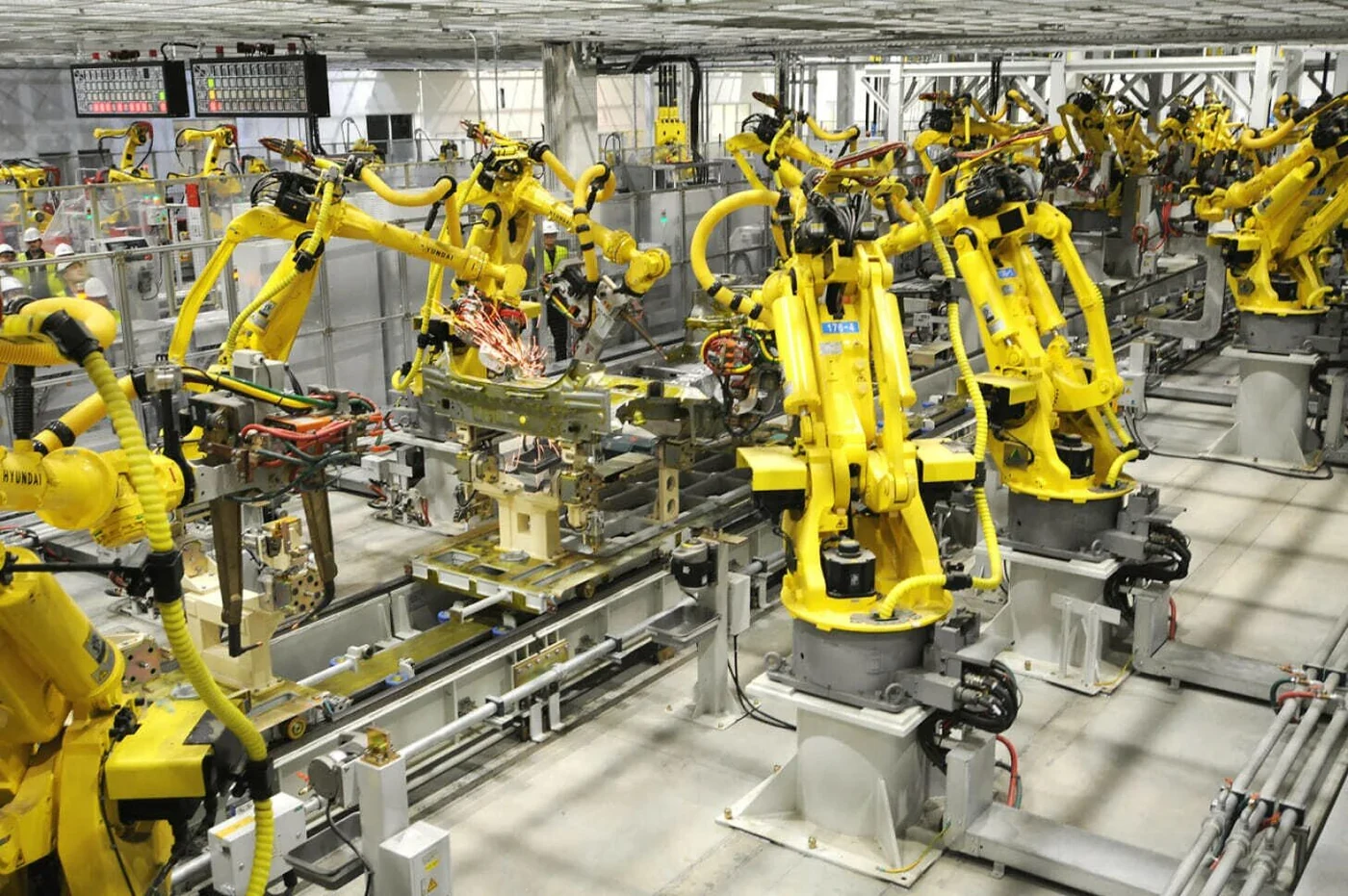
Amid labor shortages and slowing economic growth, robotization is becoming a key driver of sustainable development. As the production and deployment of industrial robotics grow in Russia, workplace safety is becoming an increasingly urgent issue for enterprises: incidents during human–machine interaction pose not only health risks to workers, but also costly equipment downtime.
History already offers grim lessons. The first worker fatality caused by a robot occurred on January 25, 1979, at a Ford casting plant in Michigan: worker Robert Williams was struck in the head and crushed to death by an automated manipulator weighing around five tons that was retrieving metal automotive parts from storage racks. After the robot began reporting inaccurate part counts on the shelves, Williams was sent to recount them manually—and was struck by the robotic transfer vehicle on the third tier of the racking. His body was not discovered for half an hour, and in 1983 a jury attributed his death to inadequate plant safety controls, including the absence of audible alarms warning of human presence.
Statistics, however incomplete, confirm that this problem is far from over. Between 1992 and 2017, the US National Institute for Occupational Safety and Health recorded 41 robot-related fatalities; according to insurance company data, around 100 incidents involving industrial robots occur annually in Germany; and the US Occupational Safety and Health Administration logs roughly 5,000 workplace injuries per year. Most injuries result from impacts and collisions, crushing and trapping within the robot’s operating envelope, contact with moving mechanical parts, electric shock, and safety system failures. At the same time, human error and workspace layout play a decisive role: many incidents stem from personnel mistakes or poorly designed shop-floor logistics.
This raises a central question: how can an enterprise build a system for safely integrating industrial robots into its manufacturing processes and bring it to full-scale operation step by step, without safety risks or downtime?
1. Industry Practice in Russia: The Oil and Gas Sector
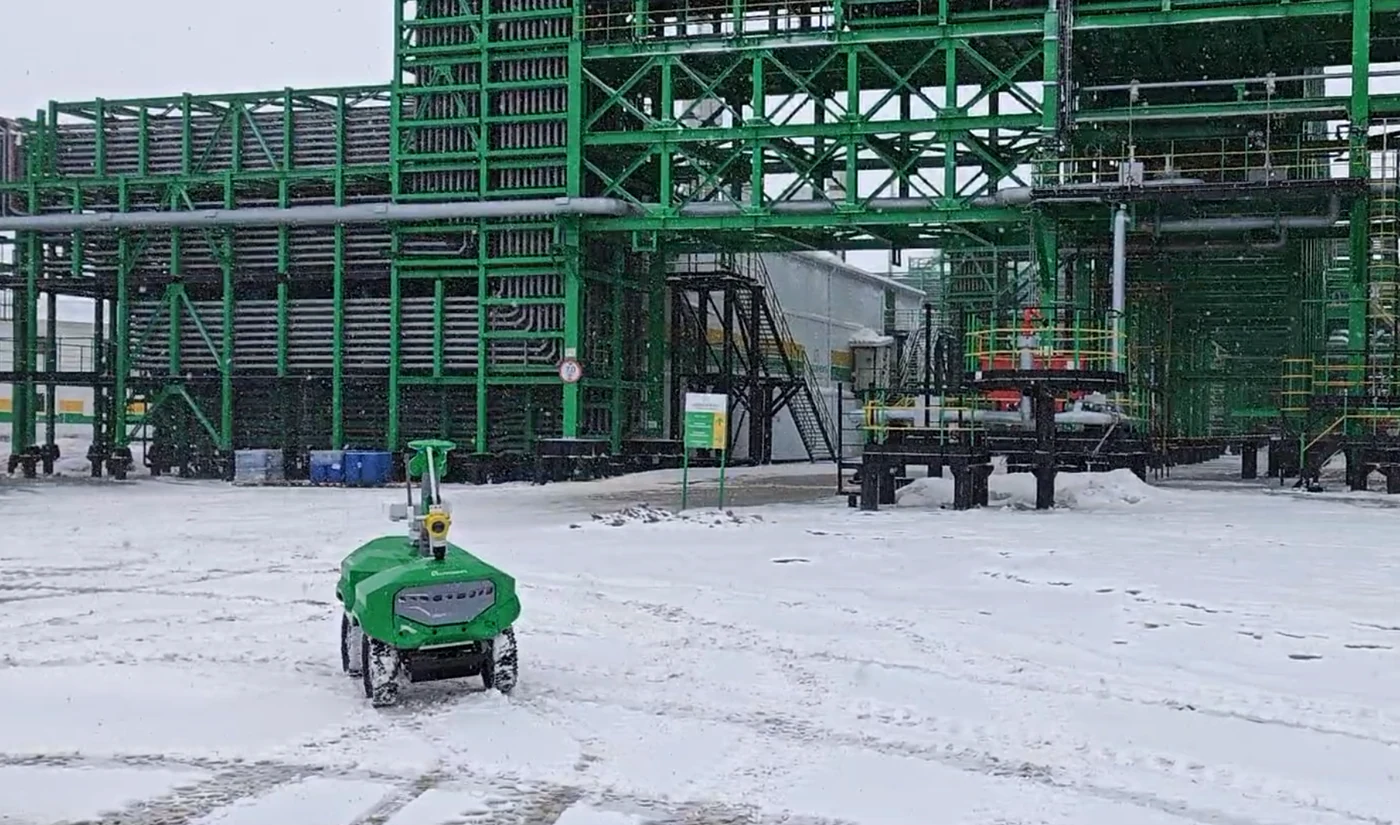
The Russian oil and gas sector is already actively implementing safeguards for personnel and equipment, and the experience of major industry players clearly illustrates diverse approaches to this challenge.
LUKOIL uses polycarbonate shields with integrated magnetic safety interlocks for physical protection around robotic arms and welding robots, along with UV radiation and spatter shielding and a traffic-light status beacon that lets personnel intuitively identify the robot’s operating mode. On offshore platforms, remotely operated underwater vehicles are deployed: safe concurrent operations with divers and topside personnel rely on strict zone protocols, tether stops, and radio-frequency startup interlocks whenever people are present in the hazard zone.
At Rosneft, the focus is on mobile and inspection robots, as well as remote execution of hazardous operations—which in itself removes workers from the line of fire—yet every system is equipped with safety loops to protect personnel within the perimeter. Robotic tank-cleaning systems feature a remote control station with robot health monitoring, mechanical interlocks that prevent product feed while the robot is operating, and audible and visual alarms indicating that the robot is in automatic mode.
Tatneft is actively advancing robotization across oilfield services and machine-building facilities, focusing on the safety of personnel working alongside heavy machinery. On automated drilling rigs, robotic pipe handlers trip drill pipe in and out of the hole and make up connections; the hazardous “red zone” around the rotary table is monitored by LiDAR sensors and light bollards, while mandatory RFID badge identification guarantees an immediate robot interlock if a worker enters the danger sector.
Gazprom Neft leads Russian oil companies in both the scale and systematic approach of its robotics programs, treating safe robot integration as part of a unified digital and industrial safety framework. Its refineries deploy safety light curtains and laser area scanners with slowdown and stop zones, as well as perimeter safety cages equipped with safety controllers and interlocked doors. Sampling units utilize collaborative robotic arms featuring built-in power and force limiting (stopping upon the slightest contact), tactile stop pads, and programmable virtual walls. In effect, this creates an adaptive, fenceless interaction environment backed by defense-in-depth protection.
These examples demonstrate that despite differing approaches, all companies combine physical barriers, sensor-based human presence detection, and organizational procedures. This exact combination forms the foundation of the framework and implementation roadmap proposed below.
2. Liability and Regulatory Framework
Every stakeholder involved in integrating robots into manufacturing shares responsibility for safety. The manufacturer is responsible for ensuring that the equipment complies with applicable standards and comes with valid certifications and safe operating manuals. The system integrator is accountable for proper installation and configuration of protective systems. The operating company must train personnel, install and maintain safety barriers, and comply with HSE regulations. If a person is injured by machinery, liability is governed by the Civil Code of the Russian Federation, while cases involving severe injury or death fall under the Criminal Code of the Russian Federation.
Both internationally and in Russia, standards establish strict requirements for industrial robot safety systems, specifying how to design robotic cells, validate protective measures, and manage emergency modes—without meeting these requirements, equipment cannot be commissioned. International standards serve as universal benchmarks providing uniform requirements for companies worldwide. The Russian regulatory framework is built on the same principles while accounting for national certification rules, Rostechnadzor oversight, and domestic HSE regulations.
Regulatory standards deliver practical value right from project initiation, when drafting technical specifications for the robot. For example, explosion protection ratings are defined in accordance with the Electrical Installation Code (PUE), GOST 31610.7-2017 (IEC 60079-7:2015), and Customs Union Technical Regulation “On the Safety of Equipment for Work in Explosive Atmospheres” (TR CU 825), while ingress protection ratings (IP codes) follow GOST 14254-2015 (IEC 60529:2013). Functional safety requirements are governed by the IEC 61508 and IEC 61511 standard series (GOST R IEC 61508, GOST R IEC 61511), industrial cybersecurity requirements by the IEC 62443 series (GOST R IEC 62443), and the safety of automated guided vehicles and autonomous mobile logistics robots by GOST R 60.6.2.2-2025 (ISO 3691-4:2023).
3. A Five-Element Framework
The framework for safe industrial robot integration comprises five sequential elements: manufacturing process analysis, selection of the robot and ancillary equipment, workspace engineering, personnel training, and testing and commissioning. Let us examine each element in detail.
3.1. Manufacturing Process Analysis
A comprehensive analysis of existing processes lays the groundwork for designing the target architecture, mitigates risks, and helps build the business case for investment. It covers three workstreams:
- Assessment of existing infrastructure – taking inventory of physical assets, identifying equipment wear and tear, and evaluating manufacturability and readiness for automation.
- Hazard identification and risk assessment – modeling and scenario analysis of operational, logistical, and production risks.
- Identification of automation opportunities – prioritizing processes for software automation and industrial robotics by selecting areas where robotization delivers the highest value: reducing manual labor, minimizing scrap, conserving resources, or improving workplace safety.
3.2. Selection of the Robot and Ancillary Equipment
Selecting an industrial robot is a complex engineering task that requires matching equipment specifications precisely to site conditions. To ensure safety, streamline operations, and avoid unnecessary capital expenditure, an engineering audit is conducted across key parameters:
- Ingress Protection (IP) rating – the robot’s resistance to dust, moisture, and corrosive media.
- Payload and reach – the maximum weight the robot can handle and the maximum distance of its working envelope.
- Pose repeatability – the precision with which the robot returns to the exact same point, a critical parameter for welding, assembly, and machine tending.
- Hardware and software compatibility – the robot must communicate seamlessly with controllers and fieldbus interfaces and integrate into the overall control system; support for machine vision is also essential if planned.
This list is not exhaustive and depends on the operating environment, the nature of the tasks, and regulatory and corporate requirements.
3.3. Workspace Engineering
Proper workspace layout minimizes risks to both people and machinery and requires strict adherence to standards (such as GOST R 60.1.2.2 and GOST ISO 10218). Core safety controls include:
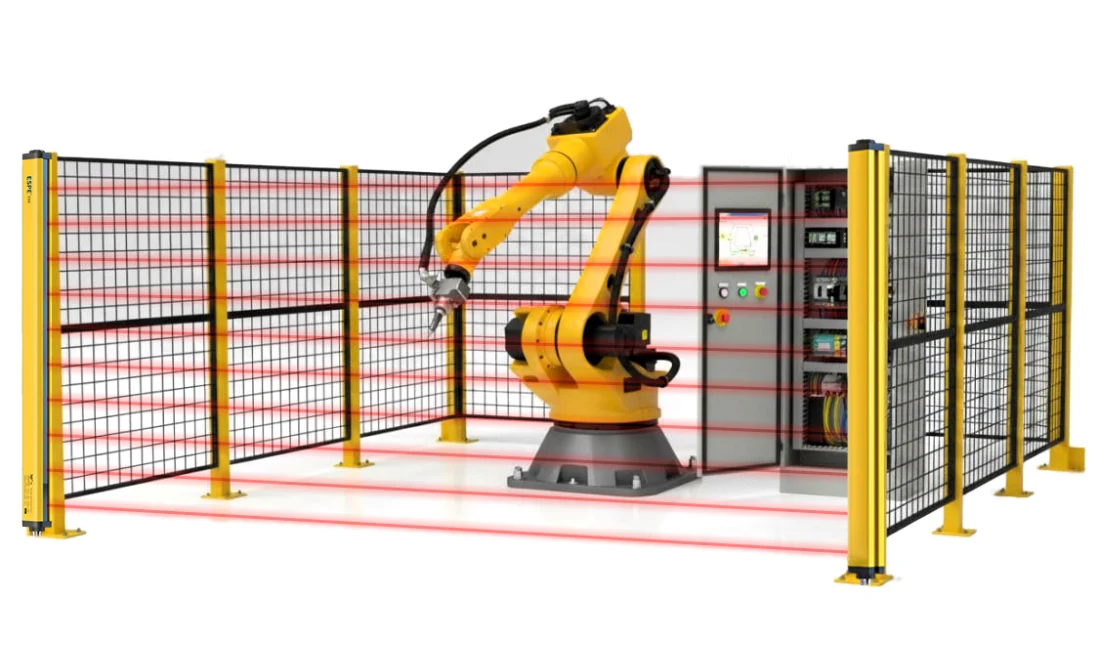
- Perimeter guarding and signage. Heavy-duty metal panels isolate the robot’s operating zone, while safety barriers and warning signs clearly demarcate hazardous areas.
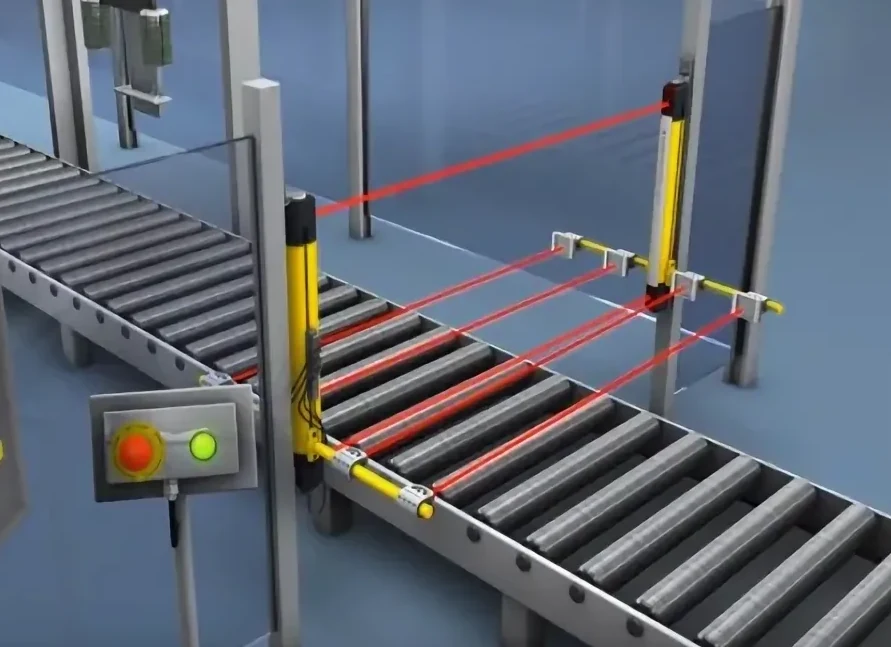
- Presence-sensing devices. Safety light curtains trigger an immediate stop if a beam is broken; laser area scanners establish virtual protective fields that slow or halt the robot when a person approaches.
- Alarms and warning systems. Sensors, safety controllers, and actuators are integrated into a unified safety loop that prevents accidents and protects personnel.
3.4. Personnel Training
Training employees to work alongside robotic systems prevents injuries and optimizes workflows. Training curricula and safety briefings familiarize staff with HSE rules, equipment design, emergency stop procedures, and emergency response protocols. Key components include:
- Internal procedures: company-specific documents—such as safe operating procedures for robotic systems—combine manufacturer technical manuals with statutory HSE requirements.
- Safety briefings: workers learn the fundamentals of equipment operation, hazard recognition, proper use of machine guards, and strict human–machine interaction rules.
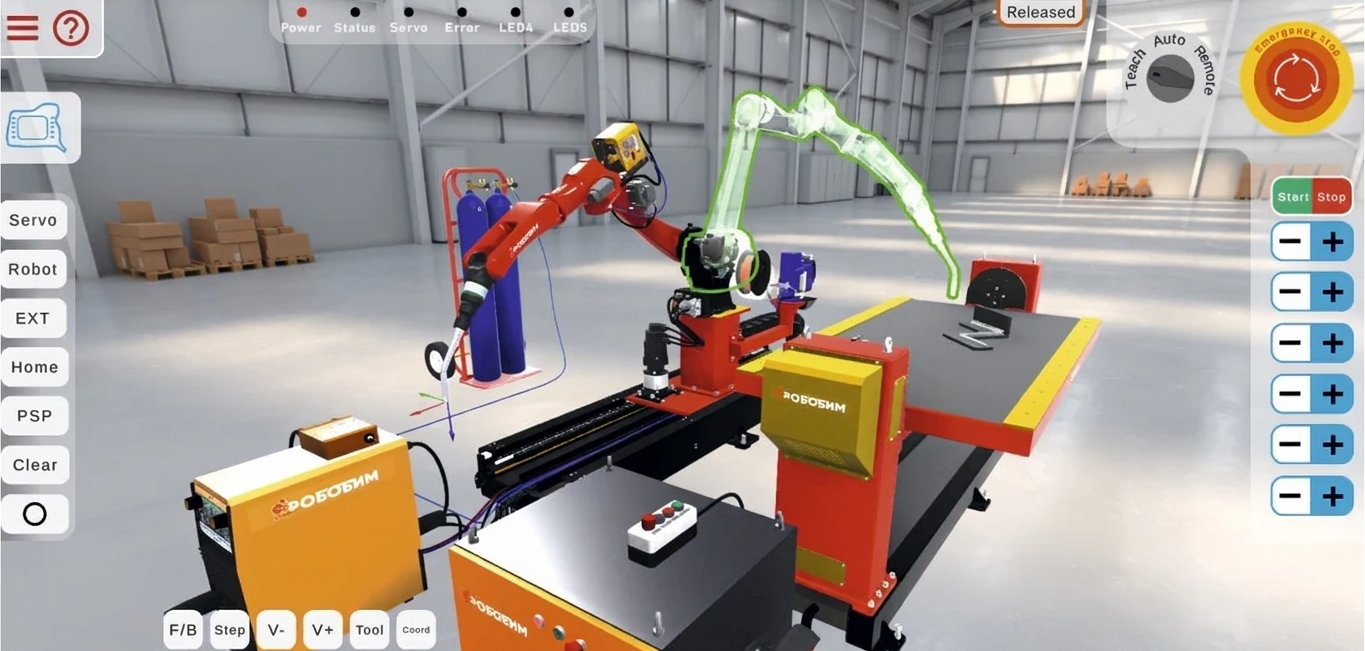
- Simulator training: a safe, effective way to master robot operation without risking damage to expensive machinery or personal injury.
- Hands-on equipment training: essential for safe day-to-day operation, injury prevention, and defect minimization.
3.5. Testing and Commissioning
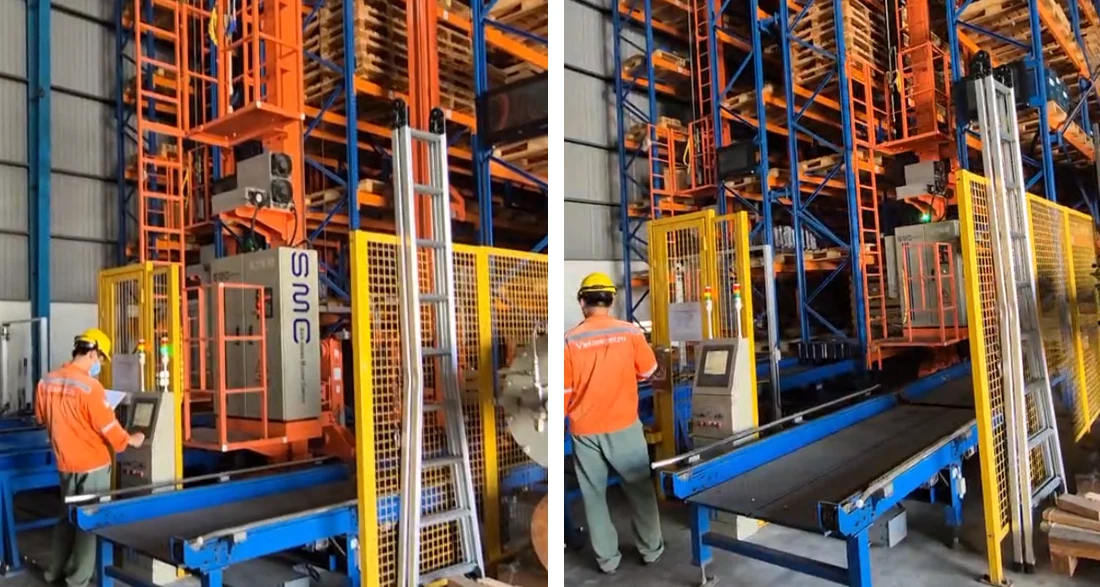
Testing and commissioning is a multi-stage process encompassing simulation, bench testing, and on-site debugging under actual operating conditions. Its objective is to guarantee accuracy, safety, and stable integration of the robotic cell. Key stages include:
- Component testing – step-by-step verification of mechanical assemblies, electronics, and software to prevent breakdowns and ensure safe performance of every subsystem (arm, drive, controller).
- Integration testing – verifying seamless communication and interaction between all robotic components and the production line.
- Functional and system testing – validating accurate execution of core control program commands.
- Pilot operation (field trials) – final validation under real-world operating conditions prior to full-scale rollout, covering reliability evaluation, operator training, and verification of the economic return on robotization.
4. System Implementation Roadmap
To prevent these five elements from remaining a collection of isolated guidelines, they should be sequenced over time as an implementation roadmap. It spans five phases: preparation and site survey, pilot engineering and preparation, pilot deployment, scaling and standardization, and finally full-scale operation with continuous improvement. The first four phases take eight to fourteen months in total, after which the system transitions into steady-state industrial operation.
Phase I – “Preparation and Site Survey” (1–2 months)
The goal is to determine project feasibility and scope and establish safe integration requirements. During this phase, process operations with high robotization potential are identified and pilot sites are selected; operating conditions are evaluated, including hazardous explosive atmospheres (and thus the need for explosion-proof robot design) as well as environmental factors such as temperature range, humidity, dust levels, and corrosive substances. Functional safety hazards (the impact of robot failures on the industrial process) are identified alongside a preliminary assessment of physical personnel safety and cybersecurity risks associated with connecting the robot to the industrial network. Phase deliverables include technical specifications (explosion protection rating, IP code, mobility performance, battery autonomy, payload), interface definitions for integration with the process control system (PCS) and emergency shutdown (ESD) system, a baseline feasibility study, formation of a cross-functional working group, and a regulatory review covering IEC 61508, IEC 62443, and GOST R 60.6.2.2-2025.
Phase II – “Pilot Engineering and Preparation” (2–4 months)
The goal is to design a safe system architecture, procure equipment, and prepare the pilot zone. A safe integration concept is developed covering control hierarchy (field level of robots and zone controllers, supervisory dispatch level), data routing, and interfacing with emergency shutdown systems; Safety Integrity Levels (SIL) are assigned to emergency stop loops and geofencing interlocks; and a zoning methodology is established to delineate strict exclusion zones, collaborative human–robot zones, and free-travel corridors. Detailed functional specifications are drafted for autonomous inspection robots (explosion-proof housing, cameras, gas detectors, microphone, speaker, LiDAR) and mobile transport robots, followed by competitive vendor bidding with rigorous verification of explosion-protection certificates and regulatory compliance. In parallel, engineers design a redundant industrial wireless network with full radio coverage alongside a robust cybersecurity architecture: network segmentation, isolation of robot traffic from corporate IT networks, firewalls, intrusion detection systems, device authentication, and secure firmware updates. The phase concludes with pilot site infrastructure upgrades (charging stations, fiducial lines and RFID tags, digital facility twin/map) and factory acceptance testing of prototypes, accompanied by a preliminary compliance audit against functional safety and cybersecurity standards.
Phase III – “Pilot Deployment and Technology Validation” (2–3 months)
The goal is to validate solution performance, safety, and effectiveness at a live facility. Installation and commissioning activities cover deploying the robots and middleware, calibrating sensors, tuning localization algorithms, and verifying navigation accuracy. Operational scenarios are tested and refined: training neural network models to recognize target features (pressure gauge readings, valve positions, leaks), configuring patrol schedules and event-triggered dispatches, and integrating with the ESD system to ensure a safe robot stop upon emergency shutdown activation and automatic clearance of evacuation routes. A dedicated workstream focuses on safe human–robot collaboration: commissioning onboard safety systems (laser scanners, radars, audible and visual alarms, emergency stop buttons), programming safe speed limits and protective fields, and conducting live drills with plant operators, including simulated emergencies. Site acceptance testing comprises end-to-end verification of every scenario, an unattended 72-hour endurance run, penetration testing to verify cybersecurity controls, and training for operators and maintenance crews, including contractors. At the end of the phase, operational metrics are compiled—mission completion rate, defect detection accuracy, false alarm rate, and mean time between failures—and the robot safety system is evaluated against any recorded incidents or near misses.
Phase IV – “Scaling and Standardization” (3–5 months)
The goal is to roll out the solution across core production assets using standardized practices. Based on pilot trial findings, robot hardware (anti-icing/snow-build-up protection, improved terrain mobility) and software algorithms are refined, and final versions of human–robot interaction procedures, safe operating instructions, and safety briefings are issued. Regulatory permitting is completed: industrial safety expertise reviews, permits to operate technical devices at hazardous production facilities, and formal approval of corporate standards for the safe operation of mobile robots. A technical support organization is established, encompassing a dedicated maintenance team, predictive health diagnostics for the robot fleet (tracking operating hours, vibration, and battery degradation), and first-line troubleshooting training for plant operators. Finally, continuous cybersecurity monitoring is instituted: integrating the robot fleet into enterprise security monitoring centers, regularly analyzing logs for anomalies, and executing a proactive firmware and antivirus update schedule, with all patches validated on a testbed prior to production deployment.
Phase V – “Full-Scale Operation and Continuous Improvement”
The goal is to embed robotic systems as an integral part of manufacturing operations while continually expanding their value. Key performance indicators are formalized—such as faster anomaly response times and fewer manual operator rounds in hazardous areas for inspection robots, alongside comparable KPIs for other robot classes—and robot performance metrics are incorporated into daily operational reports. Capabilities are progressively expanded through additional payloads, integration with plant-wide computer vision platforms for automated asset cataloging and failure prediction, and digital twins for route optimization and emergency scenario modeling. Ground inspection robots coordinate with unmanned aerial vehicles to inspect hard-to-reach structures, while mobile transport robots interface directly with warehouse management and inventory tracking systems. Finally, a continuous audit cycle is established: annual functional safety and cybersecurity audits (including third-party assessments), integration of safe human–robot interaction modules into all safety briefings and emergency drills, active participation in industry robotics working groups, and ongoing adoption of best practices.
A summary of the implementation roadmap is presented in Table 1.
Table 1. Phased Implementation Roadmap for Safe Robot Integration
| Phase | Timeline | Objective and Key Deliverables |
|---|---|---|
| I. Preparation and Site Survey | 1–2 months | Assessment of automation zones, risks, and site conditions; technical specifications; feasibility study; working group; regulatory review |
| II. Pilot Engineering and Preparation | 2–4 months | Safe integration architecture, safety zoning, functional specs and vendor selection, network and cybersecurity infrastructure, acceptance testing |
| III. Pilot Deployment | 2–3 months | Installation and commissioning, PCS and ESD integration, human–robot collaboration trials, testing (72-hour endurance run), personnel training |
| IV. Scaling and Standardization | 3–5 months | Post-pilot engineering refinements, industrial safety expertise, corporate standards, maintenance organization, continuous cybersecurity monitoring |
| V. Full-Scale Operation | Ongoing | Performance KPIs, capability expansion, integration with external enterprise systems, annual safety audits |
Conclusion
Because the proposed framework is universal, it can be adopted by any enterprise planning to deploy robots across its operations.
Industrial robots are no longer a passing trend—they are a prerequisite for industrial competitiveness. Automation boosts productivity while reducing scrap rates and operating costs. Implementing a structured system for safe robot integration enables companies to shift from reactive incident response to proactive prevention, reduce workplace injuries, minimize asset damage, and improve overall operational efficiency.
The roadmap outlined in this article gives the framework a practical dimension: it demonstrates how to translate process analysis, equipment selection, workspace engineering, personnel training, and commissioning into concrete phases with measurable milestones—from a pilot zone completing an incident-free 72-hour endurance run to full-scale operation backed by annual audits and continuous improvement. In doing so, safety ceases to be a one-off compliance exercise and becomes an intrinsic part of the enterprise’s operational culture.