Expert Blog
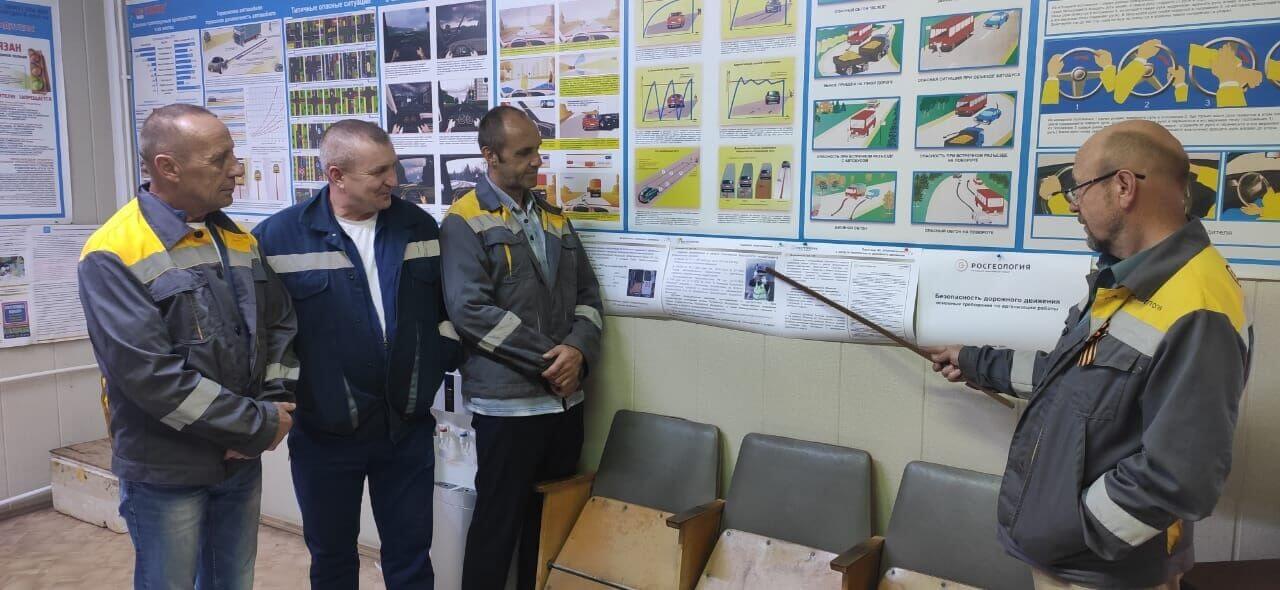
"Safe Road" – Rosgeo Holding's Road Safety Project
The article tells about the long-term project "Safe Road", launched by the holding company "Rosgeologiya" to minimize the risks of road traffic accidents and foster a culture of safe driving. As part of the program, a comprehensive analysis of the causes of accidents is conducted, transport control systems are modernized, and employees are regularly trained. The material shows the effectiveness of such initiatives using the example of the holding's results, where the number of traffic accidents decreased by 67%.

Public Monitoring
The article describes the implementation of "Public Control" events by an enterprise in Perm, where city residents personally participate in checking atmospheric air quality. Participants get acquainted with the work of the environmental protection service and, together with ecologists, take measurements using a mobile laboratory and a stationary eco-post. The project contributes to public education, the involvement of citizens in environmental initiatives, and the maintenance of an open environmental policy.
HSE DIRECT LINE!
To create an effective communication system in the field of industrial safety, the enterprise implemented the ability to ask questions to the occupational health and safety service using a QR code from any device. Requests are processed confidentially, and the response is received by employees of the enterprise and contracting organizations within one working day. The tool allows quickly obtaining undistorted information from the primary source, timely eliminating workplace hazards, and increasing employee knowledge levels.

ECOSPACE (Impact on the Planet's Climate, Greenhouse Gases)
The article explains the legal regulations and requirements for greenhouse gas emissions accounting in Russia in the context of the goal to achieve carbon neutrality by 2060. The material considers the criteria for classifying companies as regulated entities, the content and deadlines for submitting annual reporting, as well as the distinction between direct and indirect emissions across Scope 1, 2, and 3. The publication helps enterprises properly prepare information for the Registry of Greenhouse Gas Emissions and assess their climate impact.
Forewarned is Forearmed!
The article is devoted to improving the efficiency of safety sign perception in order to enhance working conditions and occupational health and safety at the enterprise. It presents methodological recommendations for hazard visualization, proposing the use of group and combined signs of three types depending on the installation locations. The implementation of these recommendations helps eliminate inconsistency and establishes a unified procedure for designating equipment, signal markings, and safety signs.

Working Conditions Assessment: Are We on the Verge of Major Changes?
The current system of special assessment of working conditions relies on outdated approaches and does not provide answers to the challenges of modern workplaces — from remote work to office stress and LED lighting. Price dumping by laboratories and the commercial interests of employers have weakened state control and destroyed the original ideology of protecting workers' health. The article considers the need for a transition to a new comprehensive approach to occupational hygiene capable of identifying occupational risks in a timely manner under modern conditions.

Step 3. Promotion. Children and Us
The article is devoted to methods of promoting industrial safety and developing safe behavior skills among personnel. The author considers children's drawings and appeals as one of the powerful motivators for self-control and compliance with workplace rules. Such an approach helps eliminate employees' dangerous habits and at the same time involves the future generation in building a safety culture.
ECOSPACE (Reclamation of Disturbed Lands)
The article explains the essence of the reclamation of disturbed and contaminated land as a process of artificially recreating soil fertility and vegetation cover after economic activity. The material considers legal requirements regarding deadlines and responsible entities, criteria for selecting restoration directions, as well as tasks of the technical and biological stages. The text emphasizes the importance of conducting comprehensive reclamation to restore all components of the natural environment.

Professional Development: A Way to Achieve Results
The lack of career growth and expected income is often linked to a lack of key professional skills — from team management to financial literacy. The article explains how to properly choose training courses and useful literature, as well as why, to achieve results, it is not enough to simply acquire knowledge, but necessary to put it into practice.

Conducting Effective Online Meetings
The article examines the algorithm for conducting online meetings, relevant, among other things, for the field of occupational health and safety management when organizing briefings or investigation commissions. The material analyzes in detail the stages of preparation, technical equipment, and discussion management, as well as techniques for ethical communication with participants. Compliance with these rules allows for effectively building remote interaction, maintaining audience attention, and successfully achieving meeting goals.
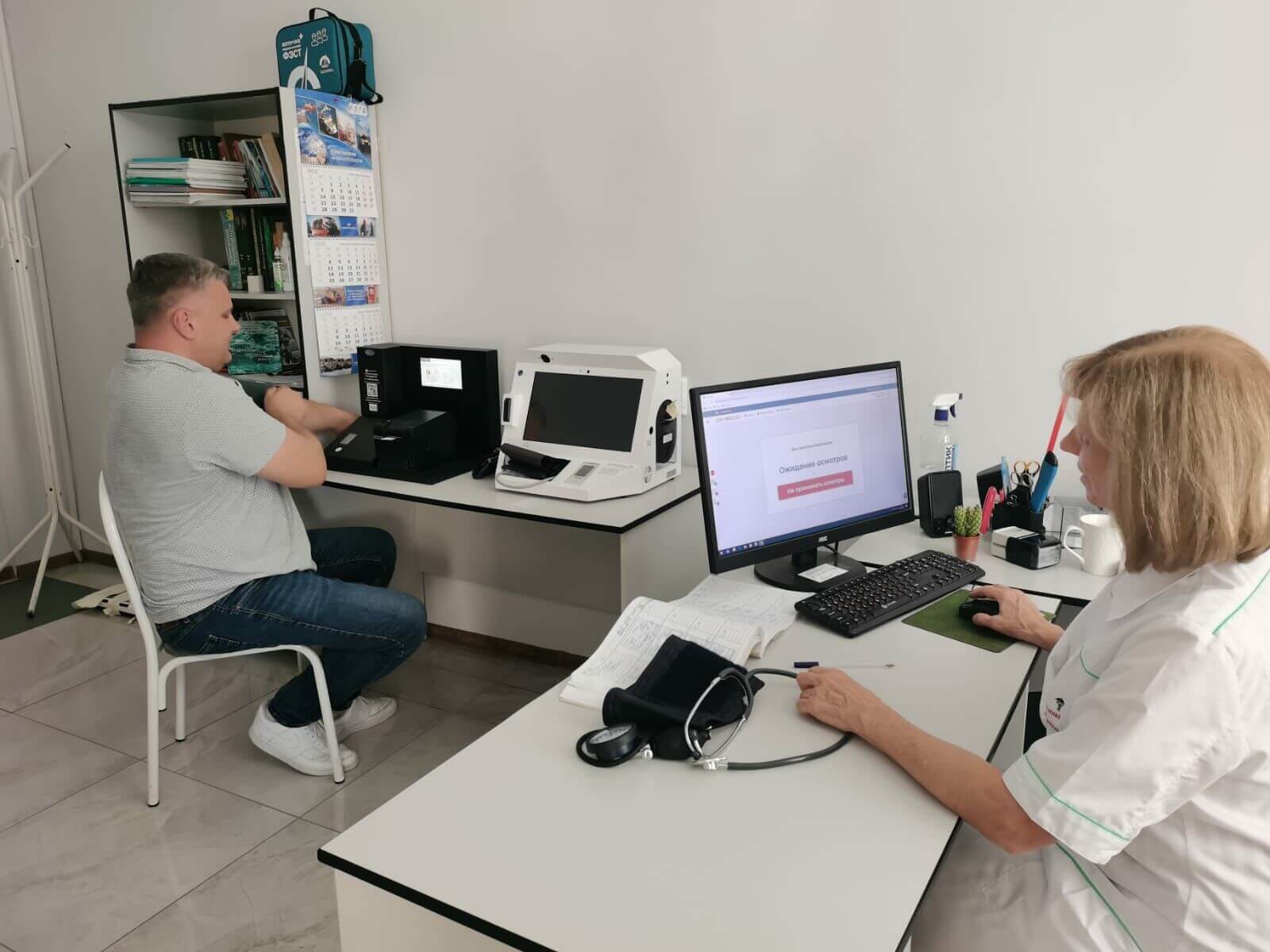
Remote Medical Examinations for "Rosgeologia" Holding Companies
In October 2023, a pilot project for conducting employee medical examinations using automated systems and telemedicine was launched at the medical and sanitary unit of a subsidiary of JSC Rosgeology. The initiative makes it possible to organize the work of mobile medical teams at remote sites, as well as equip facilities with the necessary equipment and first aid kits. The implementation of the project ensures the standardization of medical examinations and allows achieving savings of up to 7 million rubles per year compared to purchasing services from third-party organizations.
Not a Day Without a Safety Briefing
The article examines a microlearning approach in the field of occupational health and safety, based on scientific research on memory and implemented at an enterprise through electronic pre-shift briefings. Each shift begins with a ten-minute five-question test on work instructions, featuring hints when errors occur and generating statistics for managers. Such an approach allows for the continuous updating of safety rule knowledge in small portions, increasing employee training efficiency and safety culture.