Contractor Engagement Strategy at ZARUBEZHNEFT-Dobycha Kharyaga
Context and Challenges in Contractor Management
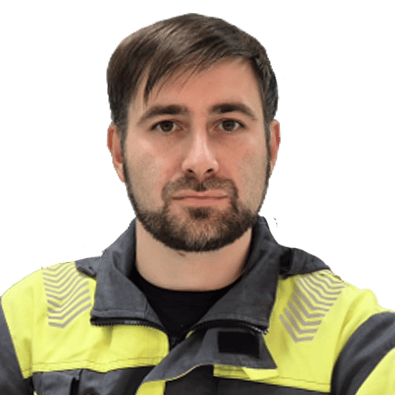
Interacting with contractors is one of the most complex areas of responsibility in occupational safety. When the number of contractor employees on site vastly exceeds the customer's staff, classic control methods stop working. Alexey Mosyagin, Head of the HSE Department at ZARUBEZHNEFT-Dobycha Kharyaga, shares his experience in building a multi-level contractor management system that allowed the company to achieve zero injury rates among third-party organizations.
Multi-stage Admission System
The speaker details the contractor admission process, which begins long before they appear on site. A key element is ranking contracts by risk level (high, medium, low) and developing qualification criteria. Contractors must document the presence of risk management systems, personnel training, and PPE provision. For high-risk contracts, a technical pre-qualification audit is conducted with a visit to the contractor's base.
An important stage is signing a standard HSE agreement form, which becomes an integral part of the contract. It contains strict requirements, work stoppage criteria, and a system of fines. This allows weeding out unscrupulous contractors at the tender stage.
Control and Motivation During Work
The presentation covers control and motivation tools during the work execution stage. The HSE department conducts regular inspections and uses a contractor rating system. The rating takes into account both negative indicators (violations, fines) and proactive actions (submitting safety ideas, conducting training). Contractors with a low rating risk losing the opportunity to participate in future tenders.
Special attention is paid to motivation: from awarding valuable prizes for the best safety ideas to sending letters to the general directors of contracting organizations requesting bonuses for outstanding workers. This builds a culture of engagement and partnership.
Integration of Vision Zero and 5Z Concepts
Using his company as an example, the speaker shows how international concepts of zero injuries (Vision Zero) and occupational risk reduction (5Z) are integrated into work with contractors. Conducting strategic sessions and cascading goals to all levels made it possible to involve most contracting organizations in a shared safety culture. Successfully passing an independent audit under the 5Z system confirms the effectiveness of the chosen strategy.
What you will learn from this webinar:
- How to build an effective contractor admission system based on risk levels?
- What control and motivation tools work in practice?
- How to integrate international safety concepts into work with contractors?
- How to use ratings to improve the safety culture of contractors?
- What proactive measures help reduce injuries to zero?