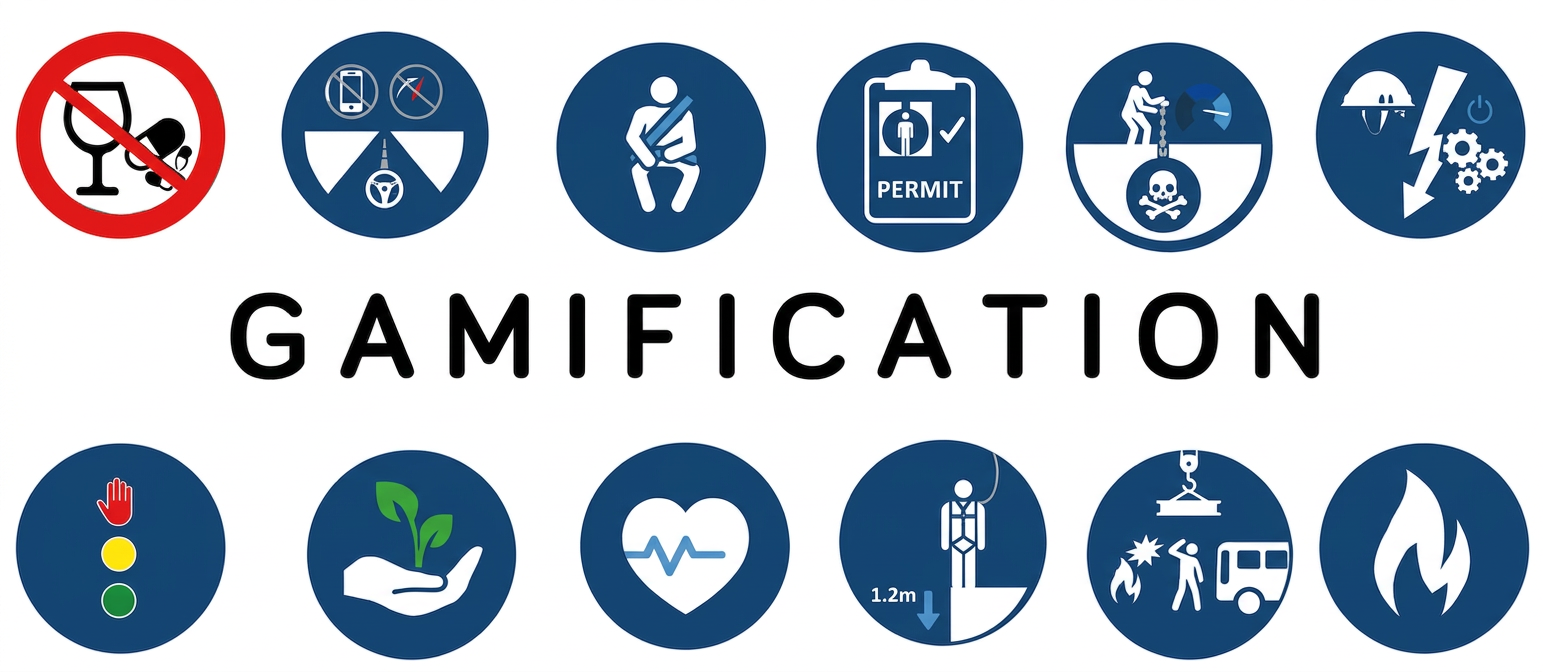
Game Mechanics in Training for Safe Work Methods
As is known, the Russian Federation joined the Vision Zero movement in December 2017 – a Memorandum of Understanding and Cooperation on promoting the "Zero Harm" Concept was signed between the Ministry of Labor and Social Protection of the Russian Federation and the International Social Security Association. On March 1, 2018, JSC "ZARUBEZHNEFT" joined it, extending it to its entire perimeter, including subsidiaries and contractors.
One of the 7 Golden Rules of this concept is: "Improve qualifications – develop professional skills." This rule establishes the need for continuous training and professional development of employees. In addition to the requirements established by the state, the company and its subsidiaries have adopted their own internal regulatory documents (IRD) aimed at ensuring safe work performance, taking into account the specifics of production facilities. In this regard, the volume of theoretical material is quite large and often difficult to perceive, but necessary for mandatory study and understanding. Furthermore, there is a formal approach to training in Russian educational centers, which necessitates high-quality internal training on topics already covered.
To optimize this process within the group of companies, constant work is being carried out: training presentations, videos, interactive briefings, and memos are being developed.
Of course, any training, including self-study, has a positive effect, but for several reasons, it also has its drawbacks. For example, a lack of engagement in the process, misunderstanding and rote learning of the material, and a lack of feedback from a mentor.
After analyzing the training methods used, it was concluded that to improve the quality of material retention, an additional element is missing that would make boring tasks interesting and complex ones simple, thereby involving the employee in the learning process and facilitating information perception.
After conducting benchmarking, it was noticed that many fuel and energy companies, like us, are constantly searching for new tools for employee training. Some of them have started using game mechanics based on the same principles that developers use when creating video games.
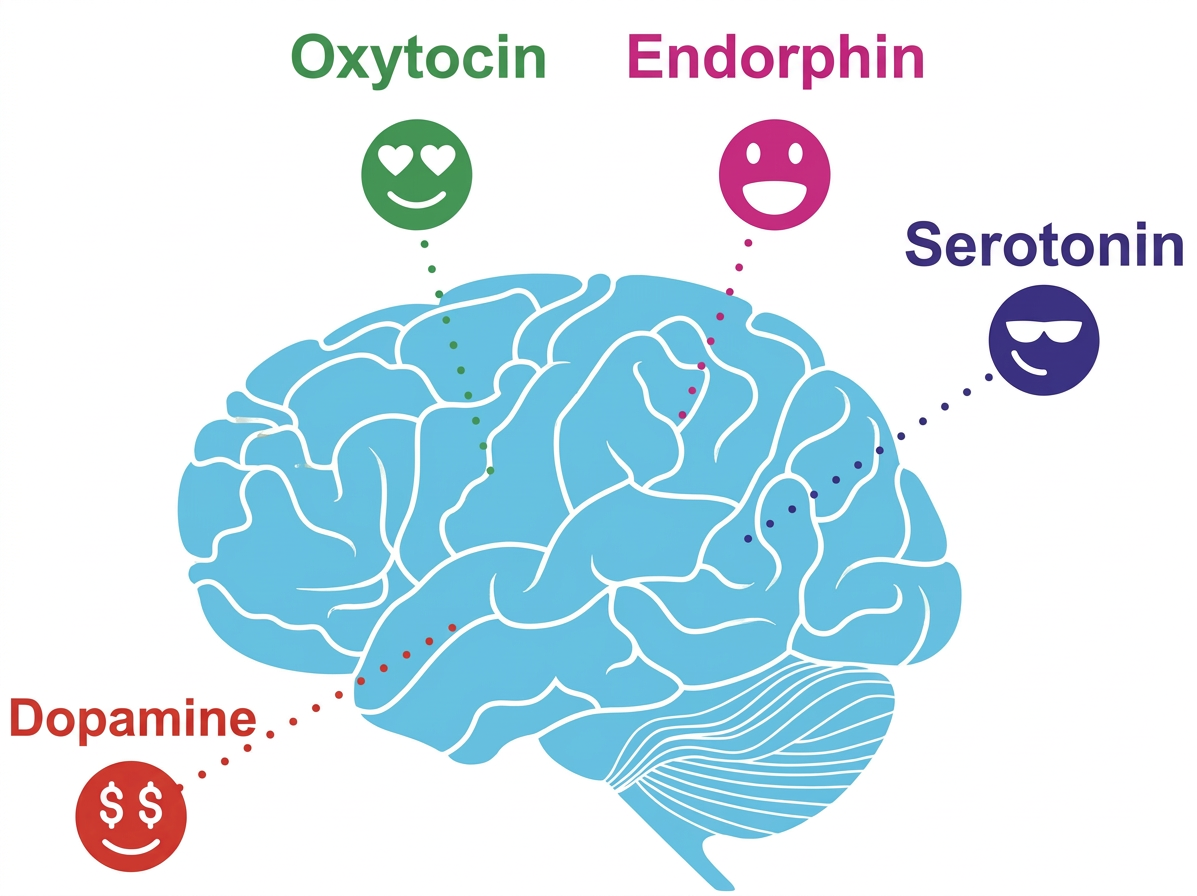
The game-based approach in education uses people's natural inclinations for competition and achievement. Games activate the production of various hormones in our brain:
- Dopamine — the hormone of achievement.
- Endorphin — the hormone of joy.
- Serotonin — the hormone of social status.
- Oxytocin — the hormone of social bonds.
When applying game mechanics in training, it must be taken into account that not everyone reacts to game elements in the same way. Depending on their preferences and goals, learners can be divided into different player personality types.
According to the classification by Richard Bartle, a professor and computer game researcher, there are four types of players:
- 1st type – Explorers. Motivation – interest and curiosity.
- 2nd type – Achievers. Motivation – progress and recognition.
- 3rd type – Socializers. Motivation – belonging and friendship.
- 4th type - Killers. Motivation – power and status.

The main principle of gamification is motivation. For any game mechanics to work, players must perform certain actions. To do this, they need to be motivated. Four elements of the game help to do this.
Reward. If a player knows they will receive a bonus after their actions, their motivation increases.
Competition. People love to compete and win. If a player outperforms competitors, it serves as high motivation.
Achievement. The player must feel their significance.
Feedback. The player always wants to receive a reaction to their actions. For example, they completed a task and immediately saw the result.
According to the pyramid developed by the famous American educator Edgar Dale, a person remembers approximately 10% of what they read; 20% of what they hear; 30% of what they see; 50% of what they hear and see; 70% of what they say or write down themselves; and 90% of what they do personally. Training through gamification can safely be attributed to the two levels at the base of the pyramid, where the degree of material retention is from 70 to 90%, facilitated by gamification elements such as: visual design; story; competitiveness; problem-solving; rewards; feedback.
The game-based approach in training has already proven its effectiveness. People of different ages like games, so they are used in all areas of education — in school and higher education, for students in online schools, and for staff training in companies. Similarly, at JSC "ZARUBEZHNEFT", the game-based approach is applied within the "NESTROHSE-GAMES" project.
By applying game mechanics in staff training, we increase interest in the learning process and build connections between decisions made in the game and real consequences for personal and team safety. As a result, we expect better perception and retention of information based on the experience employees gained in the game, and an increase in the level of knowledge that will contribute to reducing the frequency of incidents.