DRA Tool: A Skill or a Long Process?
Good day, my name is Roman Portnyagin, and I am a safety culture trainer at Norilsk Nickel.
Have you heard of the "Dynamic Risk Assessment" (DRA) tool? I'm sure you have. This tool is presented differently in various companies, but its goal remains the same: to learn how to manage risks in order to avoid negative consequences.
DRA came to us from the production floor because of the need for a flexible and adaptive approach in a rapidly changing environment. But I think you already know that. Despite the fact that the tool serves the production worker to eliminate or at least minimize the likelihood of negative consequences for life or health, I often hear feedback like, "If I use it, I won't have time to work!".
Today, I suggest looking at this industrial safety tool through the lens of an everyday action most of us perform.
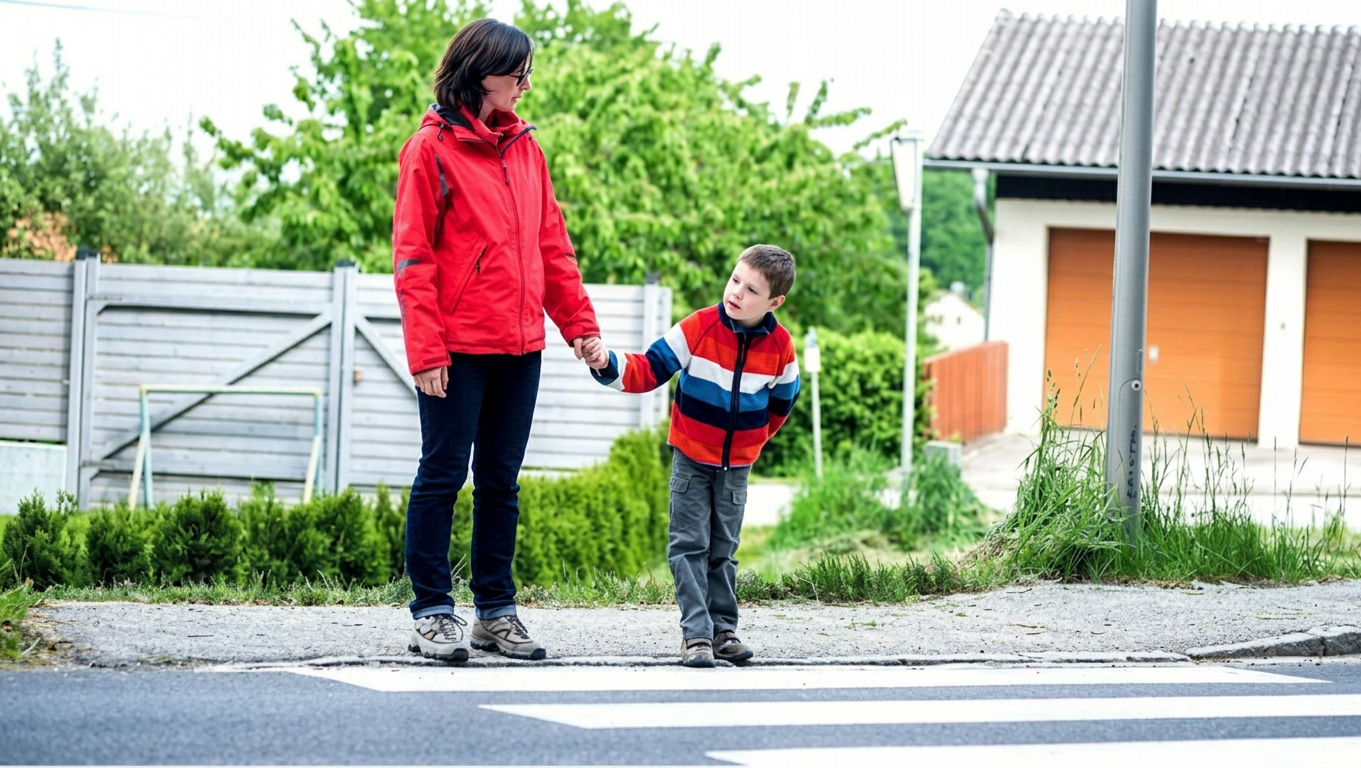
Can you remember at what point in your life you began to understand how to cross the road without being hit by a car? Let me guess: some of you might remember your parents, some your teachers, and others, like me, might recall drawing a "My Path from Home to School" map in school, marking dangerous spots and discussing "What could go wrong?" on that stretch of road. The fact is, we weren't born with the knowledge or skill that some metal cart on rubber wheels could harm us, nor with the knowledge, let alone the skill, to assess risk when crossing the street.
Now I’d like to ask: who can remember how many environmental factors you evaluate when you're about to cross the road? The speed of the cars, the width of the roadway, a puddle under your feet, trees blocking the view, the presence of a nearby pedestrian crossing, the type of vehicle, a food delivery person on an electric scooter? These are just a few of them.
Why does risk assessment when crossing the road happen so quickly, in fractions of a second, and yet we don't use a checklist with a list of all hazards and risks?
The point is that in this case, DRA has transformed from knowledge into a skill. Here, the desire not to lose what is most important — and it is these consequences that pop into our heads at the thought of "What if a car hits me?" — motivated us to assess risks and consequences on a constant basis.
So, DRA at work must turn into a skill; for this to happen, constant practice is necessary. And what can motivate an employee to assess and eliminate risks?
- Training: simple and clear sessions. Handouts, memos.
- Incentives: bonuses, points, comprehensive performance evaluation, certificates and awards, newsletters, information sheets.
- Recognition: participation in safety councils, joint risk assessment with management, career tracks in the specialty, breakfast with the manager.
We do this so that our employees can assess risks and be happy. And one of the main aspects of happiness is a sense of protection from threats — in a word, SAFETY.
Comments 1
Thank you, Roman. Simple examples about complex topics. I agree with you that the safety skill should be developed in every person.