Leadership Starts With You! Webinar with Metallurgy Top Managers
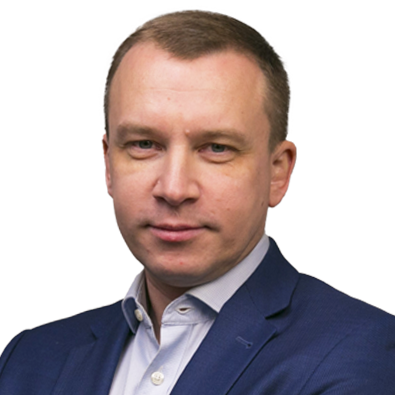

Leadership and Safety Culture Transformation: Experience of Metallurgy Leaders
In modern industry, reducing injury rates is impossible without a systemic change in safety culture and the involvement of every employee in risk management. Traditional methods of control and supervision are reaching their limits, giving way to conscious leadership and partnership between management and workers. During the webinar, top managers from EVRAZ and Metalloinvest share practical experience in implementing a risk-oriented approach and tools that change attitudes toward safety at all levels.
Risk-Oriented Approach and Personnel Involvement
Konstantin Rubin, Vice President of HSE at EVRAZ, details the transition from isolated tools to a comprehensive risk management system. The speaker emphasizes that the key success factor was training employees and creating a clear algorithm of actions. Instead of a complex supervision system, workers were offered a dynamic risk assessment (DRA) tool, allowing them to evaluate safety before starting and during work.
- Mobile app for hazard recording: Workers can take a photo of a risk and send the information to a working group. This provides quick feedback and involves personnel in the improvement process.
- Step-by-step operation maps (SSOM): Unlike standard instructions, SSOMs explain why actions must be performed in a certain way, reducing the likelihood of intentional violations.
- Bow-tie diagram and risk passports: Using these tools allows standardizing barriers for critical risks and implementing technical protection measures (e.g., automatic equipment shutdown).
Safety Dialogues and Motivation
Roman Rusetsky, Director of the HSE Department at Metalloinvest, shows by the example of his company how regular communications form a new culture. The speaker analyzes the "Safety Dialogues" tool, which has been implemented at all management levels — from work sites to the directorate.
- Daily discussions: Short conversations on relevant safety topics (including everyday situations) make this topic a natural part of the workday.
- "Carrot and stick" methods in road safety: Implementing speed control and a penalty system (transfer to another job for systematic violations) led to a decrease in traffic accidents.
- Additional bonuses: Introducing a quarterly bonus for compliance with HSE requirements (about 15% of the base salary) encourages workers to consciously approach safety. The bonus is formed daily and can be reduced by the manager in case of violations.
What you will learn from this webinar:
- How to transition from a supervision system to a partnership with workers in safety matters?
- What tools help workers independently assess risks at their workplaces?
- How to properly organize safety dialogues so they do not turn into a formality?
- How to balance reward and punishment methods to reduce injury rates?
- How automation and digital solutions (mobile apps, machine vision) transform HSE management?